
Waking Up the Wild Beauty: Propagating California Valerian
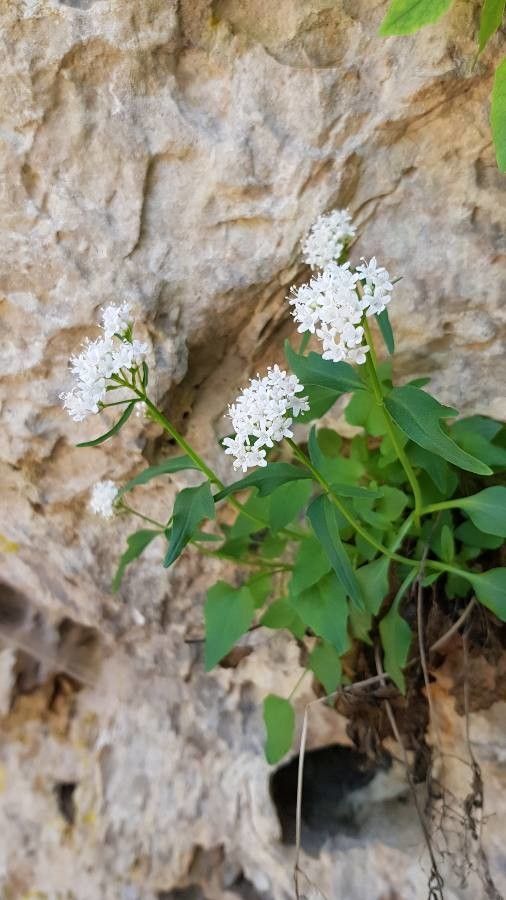
California Valerian (Valeriana californica), with its delicate clusters of pink-tinged white flowers and alluring fragrance, is a sight to behold in its native California habitats. But did you know that you can invite this wild beauty into your own backyard? Propagating California Valerian is a rewarding endeavor, offering a chance to nurture new life and expand your garden’s native plant repertoire. Let’s explore the two most common methods:
Method 1: Seed Starting
For those who enjoy the magic of witnessing a plant’s entire life cycle, starting California Valerian from seed is the way to go. Here’s a step-by-step guide:
-
Seed Collection and Storage: Collect seeds from mature Valerian plants in late summer or fall. Look for the small, brown seeds nestled within the dried flower heads. Store them in a cool, dry place until you’re ready to sow.
-
Stratification (Nature’s Head Start): California Valerian seeds benefit from cold stratification, a process mimicking their natural winter dormancy. Place the seeds in a sealed bag with a slightly damp paper towel and store them in the refrigerator for 4-6 weeks before planting.
-
Sowing Time: Start seeds indoors 6-8 weeks before the last expected frost in your area.
-
Sowing Technique: Use a seed starting mix that drains well. Sprinkle seeds on the surface and lightly press them in – they need light to germinate. Mist the soil regularly, keeping it consistently moist but not soggy.
-
Light and Warmth: Place the seed tray in a warm, bright location, out of direct sunlight. A heat mat can be helpful for maintaining consistent temperatures.
- Transplanting: Once seedlings have developed a few sets of true leaves and all danger of frost has passed, transplant them into larger pots or directly into your garden.
Method 2: Division
Division is an excellent method for propagating established California Valerian plants. This method is best done in early spring or fall. Here’s how it’s done:
-
Prepare the Plant: Water your Valerian plant thoroughly a day or two before dividing.
-
Divide the Root Ball: Carefully dig up the plant, ensuring you get a good portion of the root system. Using a sharp, clean knife or garden shears, divide the root ball into sections, each with a healthy set of roots and shoots.
- Replant the Divisions: Replant the divisions immediately in well-drained soil, spacing them about 1-2 feet apart. Water them well and provide some shade for the first week or two as they establish themselves.
Tips for Success
-
Well-Drained Soil: California Valerian thrives in well-drained soil. Amend heavy clay soils with compost or other organic matter to improve drainage.
-
Sun or Shade? While California Valerian prefers partial shade, particularly in hot climates, it can tolerate full sun in cooler regions.
-
Watering Wisely: Water deeply but infrequently, allowing the soil to dry out slightly between waterings.
- Deadheading for Beauty: While California Valerian doesn’t require deadheading to thrive, removing spent flower stalks can encourage more blooms and prevent self-seeding if you want to control its spread.
With a little patience and care, you can successfully propagate California Valerian and enjoy its delicate beauty and enchanting aroma for years to come. Not only will you have created a thriving patch of this lovely native plant, but you’ll also be playing a part in supporting local pollinators that rely on these valuable native species.