
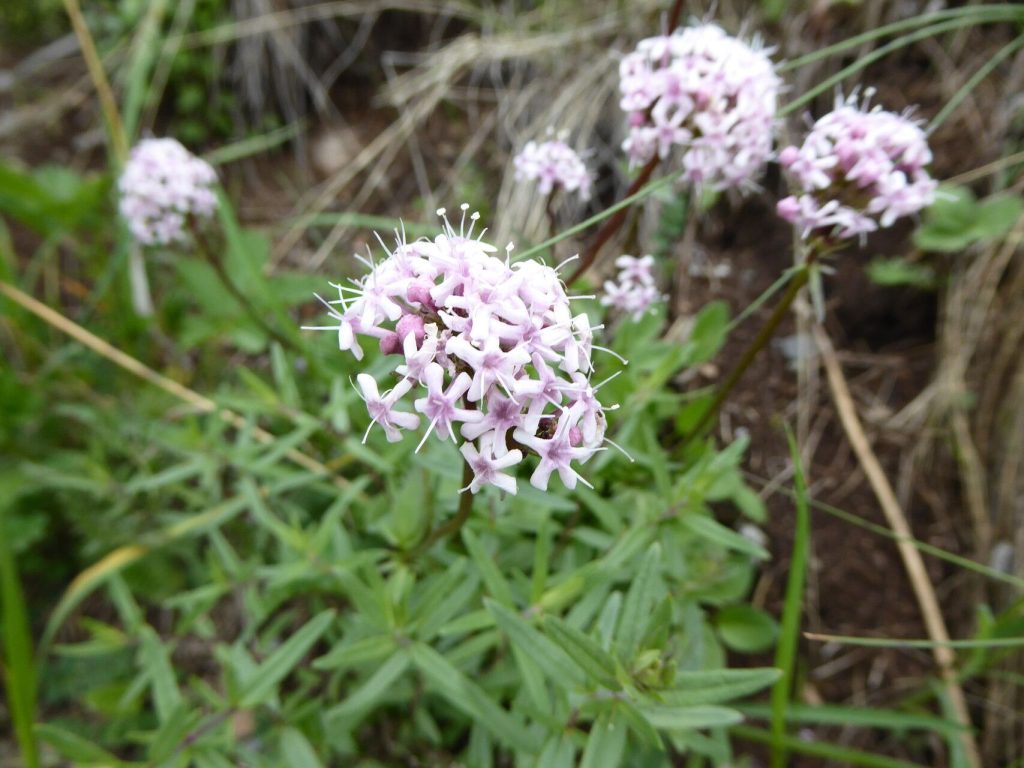
Propagating Valeriana fedtschenkoi: A Gardener’s Guide to a Challenging but Rewarding Plant
Introduction
Valeriana fedtschenkoi, also known as Fedtschenko’s valerian, is a captivating perennial herb prized for its delicate, fragrant flowers and attractive foliage. Native to Central Asia, it’s gaining popularity among gardeners for its unique appeal, adding a touch of wild elegance to borders and rock gardens. Its relatively compact size and attractive bloom make it a desirable addition, but propagating this species presents certain challenges unlike some more common garden plants. This article explores various propagation methods for Valeriana fedtschenkoi, outlining their viability, challenges, and rewards.
Seed Germination
Currently, there are no known reliable methods for seed germination propagation of Valeriana fedtschenkoi. While seeds may be produced, their germination rate is exceptionally low, and even under optimal conditions, success is highly unpredictable. Further research into specific germination requirements, such as precise temperature and light conditions, or the need for specific mycorrhizal fungi, may be needed to unlock this propagation method.
Cuttings
Propagating Valeriana fedtschenkoi from cuttings offers a more promising approach than seed germination.
Challenges: Rooting success isn’t guaranteed, and the process generally requires careful attention to environmental conditions. Hardwood cuttings taken in late autumn or early winter offer the best chances.
Practical Tips: Take cuttings of semi-hardwood approximately 4-6 inches long, removing lower leaves to prevent rotting. Dip the cut ends in a rooting hormone powder before planting in a well-draining, sterile propagation mix. Maintain high humidity (e.g., using a propagator or covering with a plastic bag) and a consistent temperature around 65-70°F (18-21°C). Avoid direct sunlight.
Rewards: Cuttings offer a faster way to establish new plants compared to division, and successfully rooted cuttings provide genetically identical copies of the mother plant, preserving desirable traits.
Division
Division is a relatively reliable method for propagating established Valeriana fedtschenkoi plants.
Challenges: This method is only viable when the plant is mature and has developed a sizeable root system. Dividing the plant too early can weaken or kill it.
Practical Tips: The best time to divide is in early spring or autumn after flowering. Carefully dig up the entire plant, gently separating the root crown into individual sections, each with well-established roots and shoots. Replant the divisions in well-prepared soil with adequate drainage, ensuring consistent moisture during the initial establishment period.
Rewards: Division is a straightforward process offering a relatively high success rate, allowing for quick propagation of a known, healthy plant.
Tissue Culture
Tissue culture techniques are rarely employed for Valeriana fedtschenkoi propagation due to the relative ease (compared to other methods) and cost-effectiveness of division and cutting propagation for hobbyist growers. However, on a larger scale, it could theoretically produce many plants from a small initial sample.
Challenges: Establishing a sterile tissue culture environment and mastering the specific protocols for Valeriana fedtschenkoi require specialized equipment, expertise, and significant investment.
Practical Tips: This method requires expert knowledge. Success depends on sterile work practices, the use of appropriate growth media, and regulating hormonal balances to induce shoot multiplication and subsequent root development.
Rewards: Tissue culture offers the potential for large-scale propagation, disease elimination, and genetic preservation.
Conclusion
Propagation of Valeriana fedtschenkoi presents unique challenges, with seed germination proving currently unreliable. Cuttings and division offer more practical approaches for gardeners, though each requires patience and attention to detail. While tissue culture holds potential for mass production, it’s impractical for most home growers. The rewards – successfully nurturing a plant from a cutting or a division – offer a unique satisfaction, underscoring the connection between persistent effort and the beauty of the natural world. Don’t be discouraged by initial setbacks; the perseverance needed to propagate this species is matched by the deep satisfaction of witnessing its growth and bloom. Embrace the challenge, learn from experience, and enjoy the journey of cultivating this captivating plant.