
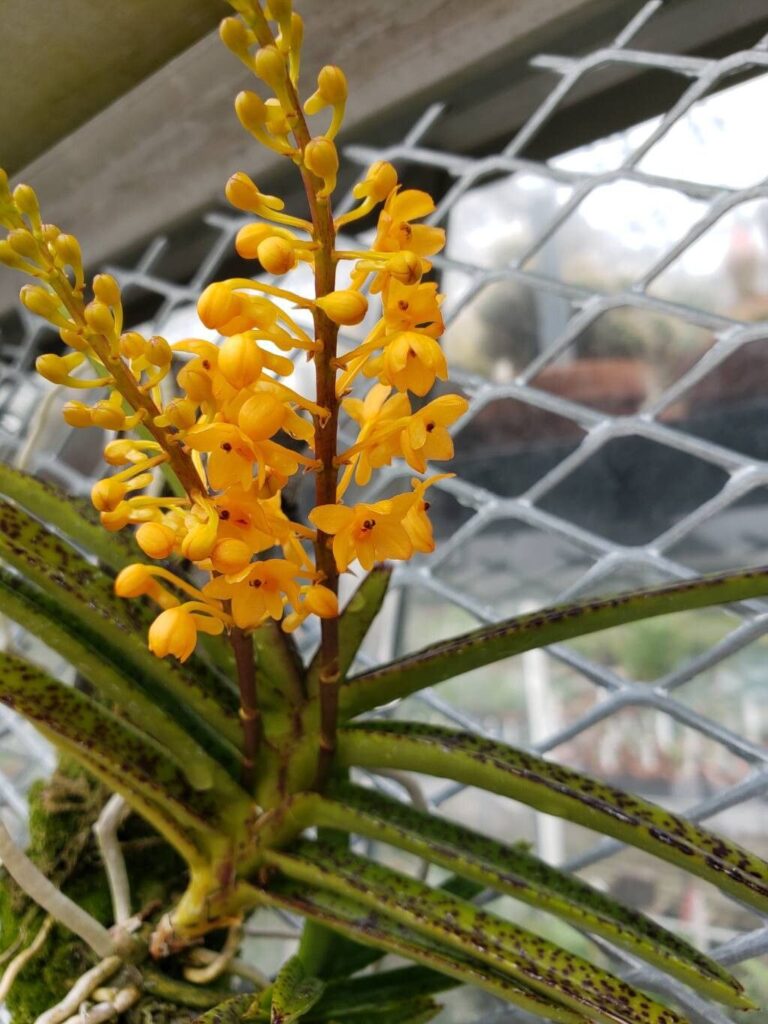
Unveiling the Secrets of Vanda garayi Propagation: From One Orchid to a Whole Collection
Vanda garayi, with its breathtaking splashes of vibrant purple and white, is a true gem among orchids. But acquiring a new Vanda garayi can be expensive. Fortunately, you can enjoy more of this beauty by learning to propagate them! While these orchids can be a bit trickier than some to propagate, with the right techniques and a touch of patience, you can successfully increase your Vanda garayi collection, sharing this orchid’s captivating charm with others.
The Magic of Keiki:
Vanda garayi primarily propagates through the formation of “keikis” – baby plants that develop on the orchid’s stem or inflorescence. These keikis are essentially miniature versions of the parent plant, exhibiting the same stunning beauty. Here’s how to encourage keiki production:
- Boosting Keiki Formation: Vanda garayi thrives in warm, humid conditions. Creating an environment that mimics their natural habitat can encourage keiki formation. Increase humidity by misting the plant frequently, ensuring good air circulation to prevent fungal infections.
- Hormones to Help: Commercial keiki paste, available at most garden centers, can be applied to the orchid’s nodes (where leaves emerge). These pastes contain plant hormones that stimulate the development of keikis, making propagation even more successful.
The Art of Division:
While less common than keiki production, Vanda garayi can be divided if the plant has developed multiple growth points. This technique involves carefully separating the plant into multiple divisions, each containing healthy roots and leaves.
- Timing is Key: Division is best performed when the plant is actively growing, usually during the spring or summer.
- Sterilize and Protect: Before separating the plant, sterilize your tools with rubbing alcohol to prevent any disease transmission. Once divided, apply a rooting hormone to the cut ends to encourage root development.
Seed Propagation: A Challenge for the Dedicated:
Vanda garayi can be propagated through seeds, but this method is much more intricate and requires a sterile environment. This involves:
- Pollination: Orchid seeds are initially enclosed within a capsule formed by the orchid’s flower. Pollination must occur for the seeds to develop within the capsule.
- Germination: Vanda garayi seeds are extremely small and lack the usual endosperm that provides nutrients for germination. They require a sterile medium containing a fungal partner (mycorrhizae) to germinate. This typically involves specialized growing conditions.
Challenges to Consider:
Vanda garayi propagation requires patience and the right conditions. While keiki production is considered the most accessible method, it may take months for a keiki to develop enough roots to be separated from the parent plant.
The Reward is Worth the Effort:
Despite the challenges, the reward of propagating Vanda garayi is immense. You’ll not only experience the joy of growing your own collection but also contribute to the beauty and wonder of these extraordinary orchids.
Tips for Success:
- Research is Key: Learn about the specific needs of Vanda garayi. Understand its light requirements, humidity preferences, and watering habits.
- Maintain a Healthy Parent Plant: A healthy, vigorous parent plant is crucial for successful propagation. Provide it with optimal conditions and good care.
- Be Patient: Vanda garayi can be slow growers. Be patient and trust the process.
With the right understanding, a touch of patience, and a dash of orchid magic, you can transform your appreciation for Vanda garayi into a flourishing collection of these captivating treasures.