
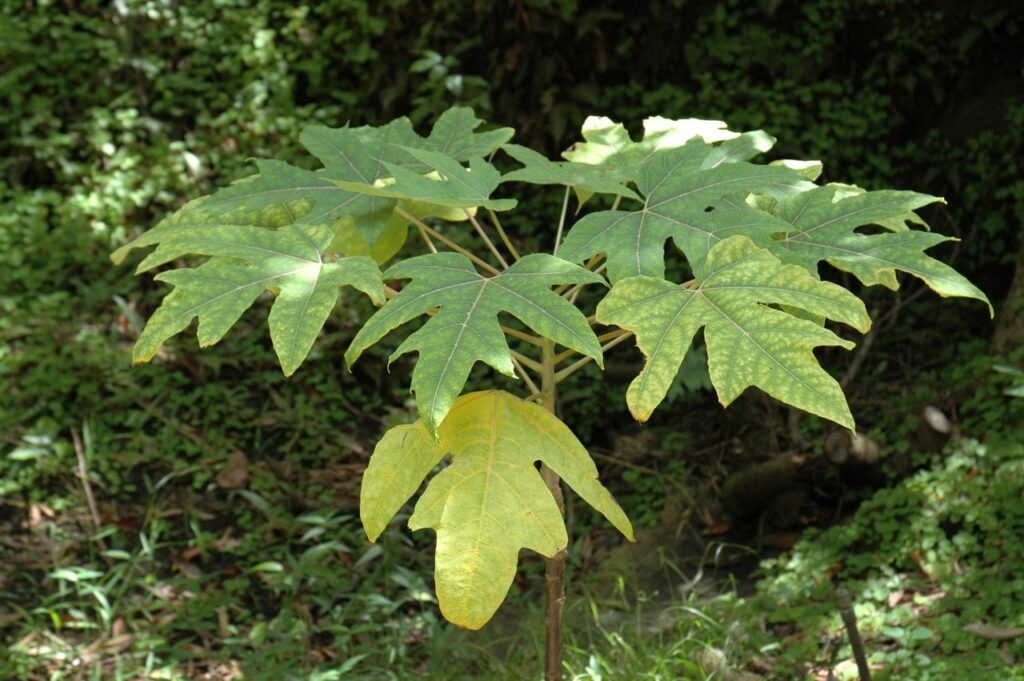
From Tiny Seed to Lush Tree: Propagating the Delicious Vasconcellea microcarpa
You’ve likely heard of the more popular papaya, but have you ever encountered the equally delicious and fascinating Vasconcellea microcarpa? Also known as the mountain papaya, this tropical fruit tree hails from the Andean region and is a captivating choice for home gardeners seeking an exotic and flavorful addition to their gardens. If you’re lucky enough to have a Vasconcellea microcarpa tree or are considering adding it to your collection, understanding how to propagate it is essential to enjoy its bounty for years to come.
Seeds: Your Gateway to New Life
The most common and widely practiced method for propagating Vasconcellea microcarpa is through its seeds. The process is relatively straightforward and offers a high success rate even for beginner gardeners. Here’s a step-by-step guide:
- Sourcing the Seeds: Once you have a mature fruit, carefully extract the seeds. Wash them gently to remove the surrounding pulp, and let them air dry for a day or two.
- Preparing the Seedbed: Select a well-draining potting mix, preferably a blend of seed-starting mix and perlite. Fill seed trays or small pots with the mix, leaving around half an inch of space at the top.
- Sowing the Seeds: Sow the seeds about a quarter inch deep in the mix and gently press the soil down. Water the seedbed thoroughly, ensuring the soil is evenly moistened.
- Germination Conditions: Place the seed trays in a warm, bright location, ideally with temperatures between 70-80°F. Maintain consistent moisture by watering occasionally. Seeds should germinate within 10-14 days.
- Transplanting: Once the seedlings develop a few true leaves, carefully transplant them into individual pots or directly into the ground. Choose a sunny location with well-drained soil.
Vegetative Methods: For Faster Growth
While seed propagation is reliable, Vasconcellea microcarpa can also be propagated through vegetative methods, offering quicker establishment and quicker fruiting. Here’s a look at two popular options:
- Cuttings: Choose healthy, well-developed stems from a mature tree. Cuttings should be about 6-12 inches long, with at least two nodes. Remove the leaves from the bottom inch or two and dip the cut end in rooting hormone. Plant the cuttings in a rooting mix and maintain consistent moisture. They should root within 4-6 weeks.
- Air Layering: This method involves encouraging root development on a branch while it’s still attached to the parent tree. Choose a healthy branch and make a circular incision through the bark about a quarter inch deep. Apply rooting hormone to the wound and wrap it with damp sphagnum moss. Cover the moss with plastic wrap to retain moisture and secure it with twine. Roots should develop within a few months, at which point you can cut the layer off the parent plant and plant it in a pot or directly into the ground.
Beyond Propagation: Cultivating Success
Once you have established your Vasconcellea microcarpa plant, ensuring its continued success requires attention to its growing conditions. Here’s a rundown:
- Sunlight and Temperature: Provide full sun to partial shade, especially during the hottest months. Temperatures between 60-85°F are ideal for healthy growth.
- Soil and Water: Choose a well-drained soil that remains slightly moist but not waterlogged. Regular watering is critical, especially during dry periods.
- Fertilisation: Feed your plant with a balanced organic fertilizer every few months to promote strong growth and fruit production.
- Pruning: Regular pruning helps maintain the plant’s shape, promotes good airflow, and encourages fruiting.
A Final Note on Patience
Vasconcellea microcarpa might take a few years to start producing fruit, but its stunning beauty and delicious fruit make the wait worthwhile. By following these proven propagation and cultivation tips, you can enjoy this unique and rewarding tropical fruit tree in your own backyard.