
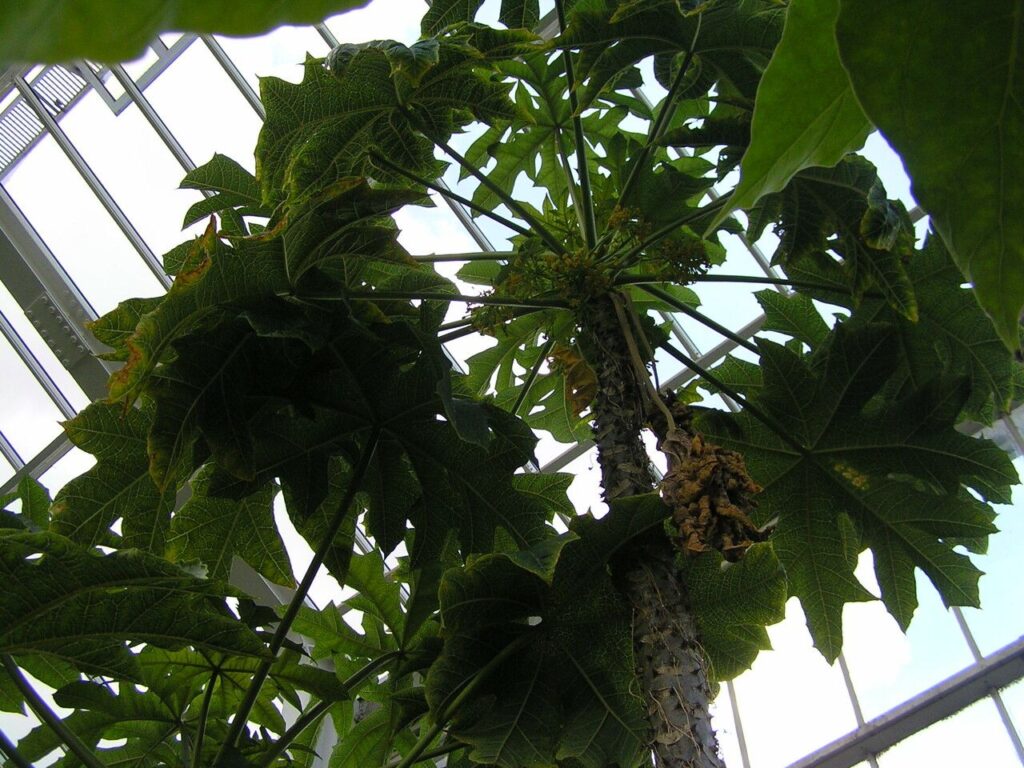
Unlocking the Secrets of the Mountain Papaya: A Guide to Propagating Vasconcellea stipulata
The Andean highlands hold many treasures, and among them is the fascinating Vasconcellea stipulata, a close relative of the papaya we all know and love. Known by locals as “chulupa,” this resilient plant offers delicious fruit and a wealth of untapped potential. But cultivating it outside its native habitat can feel like a daunting task.
Fear not, intrepid gardeners! While not as widely cultivated as its papaya cousin, propagating V. stipulata is achievable with a little patience and the right knowledge. This guide will demystify the process, providing you with the tools to bring this unique fruit to your own backyard.
Seeds: Nature’s Little Miracles (and Challenges)
The most common method for propagating V. stipulata is through seeds. Here’s how:
- Source your seeds: Seek out reputable online sources or nurseries specializing in exotic fruits. Remember, fresh seeds generally yield the best results.
- Prepare for germination: V. stipulata seeds have a naturally tough outer layer. Soaking them in lukewarm water for 24 hours before sowing can significantly improve germination rates.
- Sow with care: Plant the seeds about 1 cm deep in a well-draining seed-starting mix. Maintain a warm environment (around 25°C) and keep the soil consistently moist but not waterlogged.
- Patience is key: Germination can take anywhere from a few weeks to a couple of months. Don’t lose hope! Providing consistently warm temperatures and humidity can speed up the process.
- Thinning out the crowd: Once the seedlings have a couple of true leaves, thin them out to ensure the strongest plants have enough space to grow.
Vegetative Propagation: A Faster, More Consistent Approach
While seed propagation is possible, V. stipulata can be more efficiently multiplied through vegetative methods like cuttings. This approach offers faster results and ensures the offspring are true to the parent plant, preserving desirable traits:
- Select healthy cuttings: Choose stems that are around 15-20 cm long and taken from actively growing, disease-free plants.
- Prepare the cuttings: Remove the lower leaves and make a small cut at the base to expose fresh tissue. This wound stimulates root development.
- Hormones can help: Dipping the base of the cutting in rooting hormone powder can further encourage root formation.
- Plant and protect: Insert the cuttings into a well-draining potting mix, burying at least a couple of nodes. Maintain high humidity by covering the cuttings with a plastic bag or using a propagation dome.
- Patience is still key: Keep the cuttings in a warm, bright location, but out of direct sunlight. Rooting can take several weeks.
- Transplant with care: Once the cuttings have developed a good root system, carefully transplant them into individual pots or directly into your garden, taking care to provide adequate spacing.
Caring for Your New Mountain Papayas
V. stipulata flourishes in warm climates with well-drained soil and ample sunlight. Regular watering is crucial, especially during drier periods, but avoid overwatering, as it can lead to root rot. Adding a layer of mulch around the base of the plant can help retain moisture and suppress weed growth.
Challenges and Rewards
Like any plant, cultivating V. stipulata comes with its share of challenges – seeds can be slow to germinate, and cuttings require specific conditions to root successfully. However, the rewards are well worth the effort. Not only will you be contributing to the preservation of this fascinating species, but you’ll also be rewarded with an abundance of delicious, nutritious, and exotic fruit. So, are you ready to embark on this rewarding horticultural adventure?