
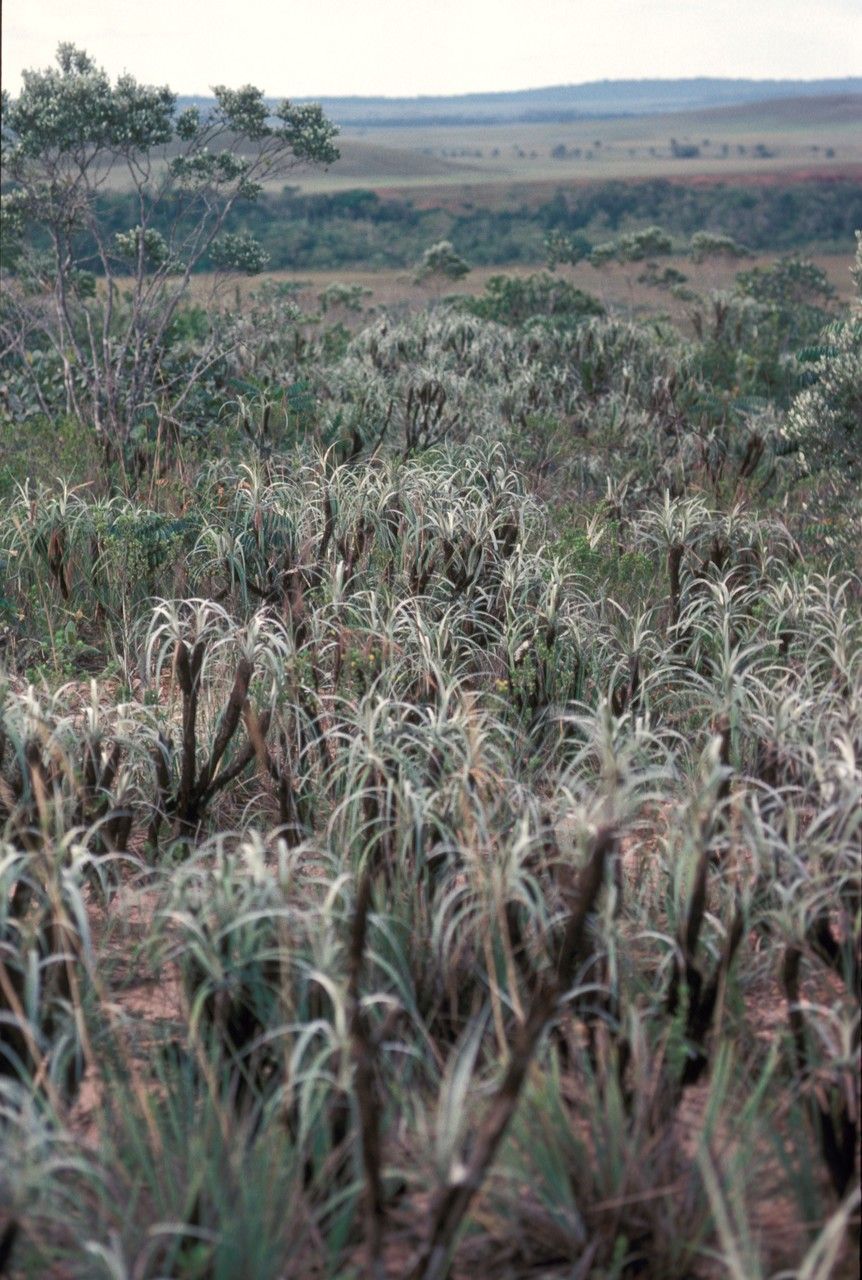
Unveiling the Secrets of the Everlasting Tree: Propagating Vellozia tubiflora
The Vellozia tubiflora, also known as the “Everlasting Tree” or “Canela-de-ema,” captivates with its unique beauty and remarkable resilience in harsh environments. This iconic plant of the Brazilian Cerrado, with its trunk resembling ancient twisted wood and a crown of spiky leaves, sparks curiosity in plant enthusiasts worldwide. However, getting your hands on one can be challenging, leaving many wondering how to welcome this intriguing species into their own homes.
While Vellozia tubiflora is relatively uncommon in cultivation, propagation offers a rewarding, albeit somewhat challenging, avenue for adding this extraordinary species to your collection. Let’s delve into the known methods and uncover the secrets to successfully propagating this fascinating plant.
Seed Propagation: A Test of Patience
The most common method of propagation for Vellozia tubiflora is through seeds. Finding viable seeds might require a bit of searching and potentially connecting with specialist nurseries or online communities.
Here’s what you need to know:
- Sowing: Sow the tiny seeds on the surface of a well-draining, slightly acidic growing medium. A mix of sand, perlite, and peat moss works well.
- Light and Moisture: Ensure the soil remains consistently moist but not waterlogged. Place the seed tray in a bright location, but out of direct sunlight.
- Germination: Be prepared to exercise patience, as germination can be erratic and may take several weeks or even months.
- Transplanting: Once seedlings are large enough to handle, carefully transplant them into individual pots, using a similar soil mix.
Adventures in Vegetative Propagation
While seed propagation remains the most prevalent method, some success has been documented with vegetative propagation techniques. These methods, though less common, provide an enticing alternative for those seeking quicker results or wishing to clone specific plant characteristics.
Two possibilities emerge:
- Offsets: In some instances, mature plants may produce offsets or “pups” at the base. These can be carefully separated from the parent plant and potted individually.
- Stem Cuttings: While not extensively documented, some growers have reported success with rooting stem cuttings. This method involves taking a section of mature stem, treating it with a rooting hormone, and placing it in a moist, well-draining medium.
Essential Care for Thriving Propagations
Regardless of your chosen propagation method, providing your Vellozia tubiflora with proper care is crucial for its long-term success. Here are some key factors to consider:
- Light: These plants thrive in bright, indirect light.
- Water: Water thoroughly when the soil is dry to the touch, allowing excess water to drain. Avoid overwatering, which can lead to root rot.
- Temperature and Humidity: Vellozia tubiflora prefers warm temperatures and moderate humidity.
- Fertilizer: Feed your plant with a balanced, diluted fertilizer during the growing season.
Propagating Vellozia tubiflora requires patience and dedication, but the rewards are well worth the effort. By understanding its unique requirements and utilizing the available propagation techniques, you can unlock the secrets to cultivating this magnificent and captivating species, bringing a touch of the Brazilian Cerrado to your own personal green space.