
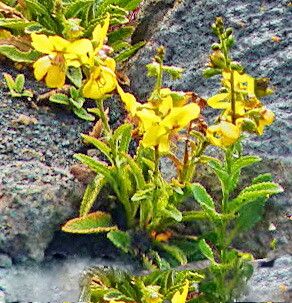
Propagating the Woolly Mullein (Verbascum cystolithicum): A Gardener’s Guide
Introduction:
Verbascum cystolithicum, commonly known as the Woolly Mullein, is a striking biennial or short-lived perennial prized for its tall, densely hairy flower spikes adorned with vibrant yellow blossoms. Its unique velvety texture and impressive height (often reaching 4-6 feet) make it a captivating addition to cottage gardens, borders, and wildflower meadows. While its inherent beauty makes it a popular choice among gardeners, propagating Verbascum cystolithicum can present some challenges. Its relatively short lifespan and the potential for seed sterility in some cultivars contribute to the need for careful propagation techniques.
Seed Germination:
Seed germination is a viable method for propagating Verbascum cystolithicum, although success is not always guaranteed. Challenges arise from the small seed size and potential for slow germination rates.
Challenges: Seeds may experience dormancy, requiring specific conditions to break. Fungal diseases can also be a problem in damp conditions.
Practical Tips: Sow seeds in a well-drained seed-starting mix in late winter or early spring. Gentle stratification (a period of cold, moist treatment) for 4-6 weeks prior to sowing can improve germination rates. Sow thinly, covering seeds with a fine layer of vermiculite or sand and keeping the mix consistently moist but not waterlogged. Good air circulation is crucial to prevent damping-off.
Rewards: Seed propagation offers high genetic diversity, allowing you to potentially obtain plants with slightly differing characteristics and increased resilience. It’s also a cost-effective method for large-scale propagation.
Cuttings:
Currently, there are no known reliable methods for propagation of Verbascum cystolithicum from cuttings. The plant’s hairy, woody stems do not readily root.
Division:
Division is a practical method for propagating established Verbascum cystolithicum plants.
Challenges: This method is only suitable for mature plants with well-developed root systems. Dividing too early can result in a weak plant. Careful handling is crucial to avoid damaging the root system.
Practical Tips: Divide the plant in early spring or autumn. Dig up the entire plant carefully and gently separate the root crown into several sections, each having a good number of roots and shoots. Replant immediately in well-prepared soil. Ensure each division receives adequate watering to help the plant establish.
Rewards: Division provides a quick and relatively simple way to increase the number of your Woolly Mullein plants, preserving the characteristics of the mother plant.
Tissue Culture:
While tissue culture techniques are frequently used for propagating other plants, there is limited information available concerning its application to Verbascum cystolithicum. Further research is needed to establish its viability.
Conclusion:
Propagating Verbascum cystolithicum offers rewards that are well worth the effort. While seed germination is achievable with proper technique, and division provides a reliable method for established plants, cuttings and currently tissue culture present more significant hurdles. The unique challenges faced in cultivating this plant—from managing germination conditions to the careful handling required during division—contribute to the profound satisfaction one derives from successfully growing these imposing and beautiful plants. For those new to propagation, starting with seed and practicing proper sowing techniques is recommended. The successful emergence of that first seedling will reward the patient and dedicated gardener with a truly magnificent specimen. Don’t be discouraged by potential setbacks; the beauty of the Verbascum cystolithicum makes the effort more than worthwhile.