
Propagating the stately Verbascum davidoffii: A Gardener’s Guide
Introduction
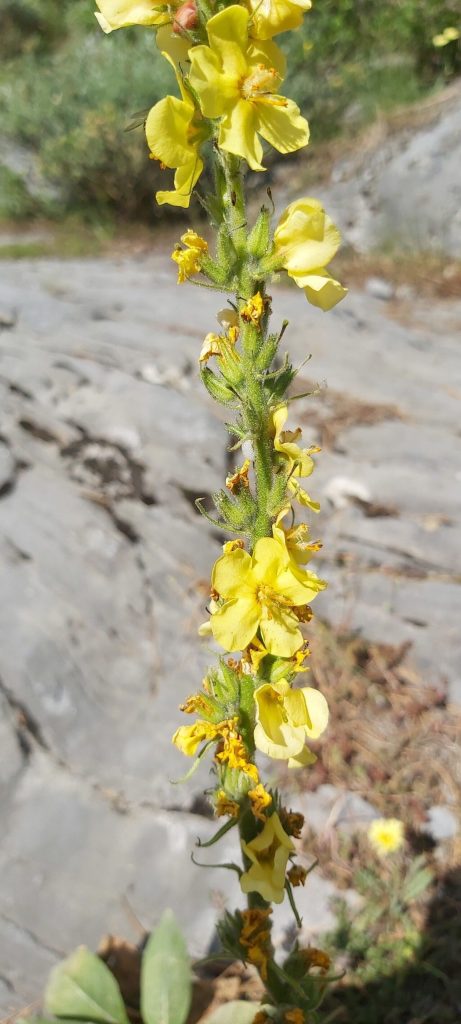
Verbascum davidoffii, commonly known as David’s mullein or the stately mullein, is a striking biennial or short-lived perennial prized for its dramatic, towering flower spikes. Reaching impressive heights of 6-8 feet (1.8-2.4 meters), these spikes boast densely packed, vibrant yellow flowers that fade to a soft apricot-yellow as they mature. Its architectural presence makes it a beloved choice among gardeners seeking bold vertical accents in borders or wildflower meadows. While its lifespan is relatively short, the ease (or difficulty!) of propagation is a key aspect of its cultivation.
Seed Germination
Seed germination is a viable method for propagating Verbascum davidoffii, though it presents some challenges. The seeds are very fine and require light for germination.
Challenges: Germination rates can be variable, and seedlings can be slow to establish. Overwatering is a significant risk during the germination and early seedling stage.
Practical Tips: Sow seeds directly outdoors in spring after the last frost, sprinkling them thinly across well-drained soil. Gentle firming ensures good seed-to-soil contact. Maintain consistent moisture, but avoid waterlogging. Thin seedlings to prevent overcrowding once they develop their first true leaves. Some sources suggest scarification (lightly scratching the seed coat) to improve germination rates, though this is not universally necessary.
Rewards: Seed-grown plants offer high genetic diversity in comparison to vegetative propagation methods. This is beneficial for maintaining the species’ robustness and adaptability. Seed propagation is also ideal for large-scale propagation, fulfilling the needs of nurseries or projects requiring many plants.
Cuttings
Currently, there are no known reliable methods for propagating Verbascum davidoffii from cuttings. The plant’s woody stem structure and lack of readily producing adventitious roots present significant hurdles to successful propagation via cuttings.
Division
Division is a feasible but limited method for propagating Verbascum davidoffii.
Challenges: As a monocarpic plant (meaning it flowers once and then dies), suitable dividing material is usually only available before flowering in younger plants. The root system can be somewhat fragile. The resultant divisions may require careful tending to fully establish.
Practical Tips: Division should be undertaken in early spring (before flowering) or autumn. Carefully dig up the plant and gently separate the basal shoots, ensuring each division has a healthy root system. Replant immediately and give the plants plenty of water for a successful establishment.
Rewards: Division allows a quicker method for increase than seed-grown plants. The resulting plants retain the mother plant’s genetic characteristics.
Tissue Culture
Tissue culture propagation is a technically demanding but potentially high-yield method.
Challenges: Establishing sterile cultures and optimizing growth media for Verbascum davidoffii requires specialized knowledge, equipment, and aseptic conditions.
Practical Tips: Successful tissue culture propagation would involve using meristem or nodal explants, sterilizing these segments appropriately to prevent contamination. Careful media formulation containing plant growth regulators is critical for inducing shoot proliferation and rooting.
Rewards: Tissue culture provides a method of rapid, large-scale propagation of genetically uniform plants. It is particularly useful during conservation efforts when rare or endangered genotypes need to be multiplied rapidly.
Conclusion
Propagating Verbascum davidoffii presents a spectrum of challenges and rewards depending on the chosen method. Seed germination, while potentially producing genetically diverse but lengthy results, remains the most practical method for the average gardener. Division offers a viable option for existing plants. Cuttings and tissue culture, however, are currently not reliable options for propagation.
Successfully cultivating this majestic plant from seed or division, despite the initial hurdles, brings a unique satisfaction. The reward of witnessing these towering spires grace a garden, a testament to your patience and dedication, is an exceptional experience for any plant enthusiast. Persist, experiment, and you too can enjoy the spectacular beauty of grown Verbascum davidoffii – a stately beacon in your garden landscape.