
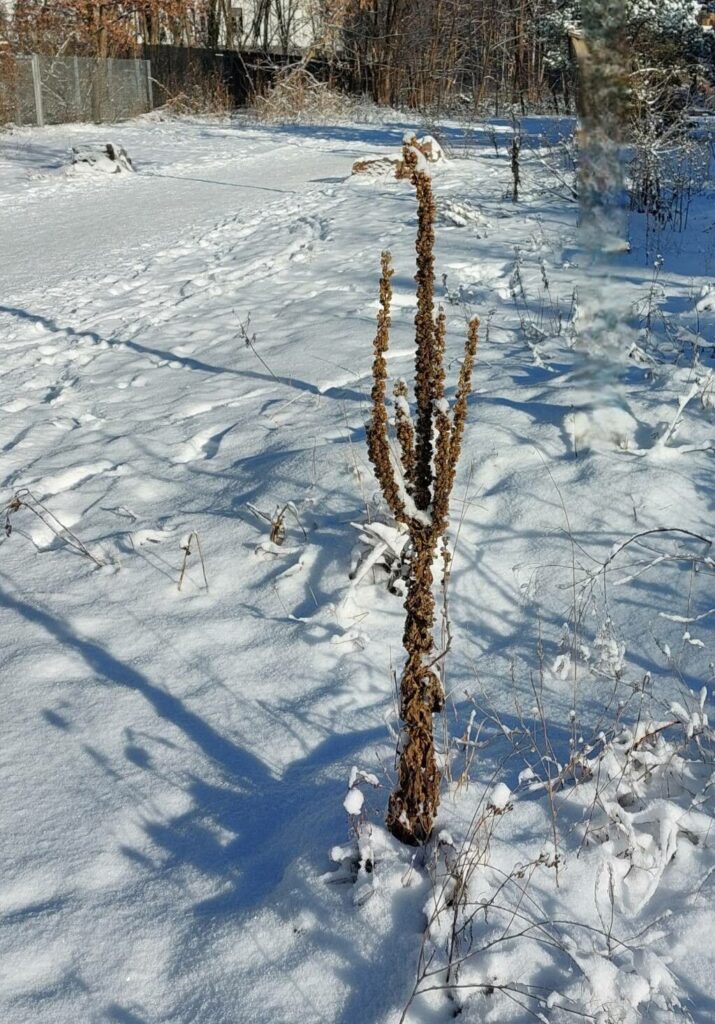
Raising Majestic Mullein: A Guide to Propagating Verbascum densiflorum
Verbascum densiflorum, commonly known as Dense-flowered Mullein, is a sight to behold. This biennial plant shoots up impressive flower spikes studded with bright yellow blooms, attracting a plethora of pollinators to your garden. While admiring its beauty is easy, you might be wondering how to welcome more of these majestic plants into your life. Luckily, propagating Verbascum densiflorum is a relatively simple process with rewarding results. Let’s explore the two main methods: seed propagation and basal cutting.
1. Seed Propagation: A Dance with Patience
Growing Verbascum densiflorum from seed is an exciting journey that requires a sprinkle of patience and a dash of care. Here’s how to nurture these tiny seeds into thriving plants:
Timing is Key:
- Sowing Indoors: Begin the process 8-10 weeks before your last expected frost. This allows the seedlings ample time to establish themselves before facing the elements.
- Sowing Outdoors: Direct sow after the last frost when the soil is workable.
Sowing the Seeds:
- Prepare the Seedbed: Whether indoors or outdoors, use a well-draining seed starting mix or amend your garden bed with compost for better drainage.
- Surface Sow: Sprinkle the seeds on the surface of the soil as they need light to germinate.
- Gentle Pressure: Lightly press the seeds into the medium, ensuring good contact.
- Water Wisely: Keep the soil consistently moist but not waterlogged. Using a spray bottle helps avoid disturbing the tiny seeds.
Germination and Beyond:
- Warmth Encourages Growth: Maintain a temperature of around 65-75°F (18-24°C) for optimal germination.
- Sunshine is Welcome: Once the seedlings emerge, ensure they receive plenty of bright, indirect light.
- Thinning Out: When the seedlings have a few sets of true leaves, thin them out, leaving the strongest ones.
- Transplanting Time: Harden off indoor seedlings before transplanting them outdoors after the last frost. Choose a sunny location with well-drained soil.
Patience, Young Padawan: Remember, Verbascum densiflorum is a biennial. While it may not flower in the first year, it will reward your patience with an abundance of blooms in the second year.
2. Basal Cuttings: Cloning the Majesty
For a faster route to mature plants, consider propagating Verbascum densiflorum from basal cuttings. This method involves taking cuttings from the base of the plant, encouraging them to develop roots and grow into independent plants.
Timing is Everything: The ideal time for taking basal cuttings is in spring or early summer when the plant is actively growing.
Let’s Get Cutting:
- Sharp and Clean Tools: Use a sterilized, sharp knife or pair of shears to prevent the spread of disease.
- Choose Your Cuttings: Select healthy, non-flowering shoots from the base of the plant. Aim for cuttings that are about 3-4 inches long.
- Prepare the Cuttings: Remove the lower leaves from the cutting, leaving 2-3 leaves at the top.
- Encourage Root Development: Dip the cut end in rooting hormone (optional but recommended) to stimulate root growth.
- Potting Mix Matters: Plant the cuttings in a well-draining potting mix, burying the bottom node.
- Humidity is Key: Cover the pot with a plastic bag or humidity dome to create a warm, humid environment.
Nurturing New Roots:
- Indirect Light: Place the pot in a bright location out of direct sunlight.
- Maintain Moisture: Keep the potting mix consistently moist but avoid overwatering.
- Patience is Still a Virtue: Root development may take several weeks. Once new growth appears, you can gradually acclimate the cutting to outdoor conditions.
Propagating Verbascum densiflorum is a fascinating journey, allowing you to multiply these stunning plants and enhance your garden with their architectural beauty. Whether you choose the rewarding patience of seed starting or the expedited process of basal cuttings, the joy of nurturing these plants from their early stages will undoubtedly deepen your gardening experience.