
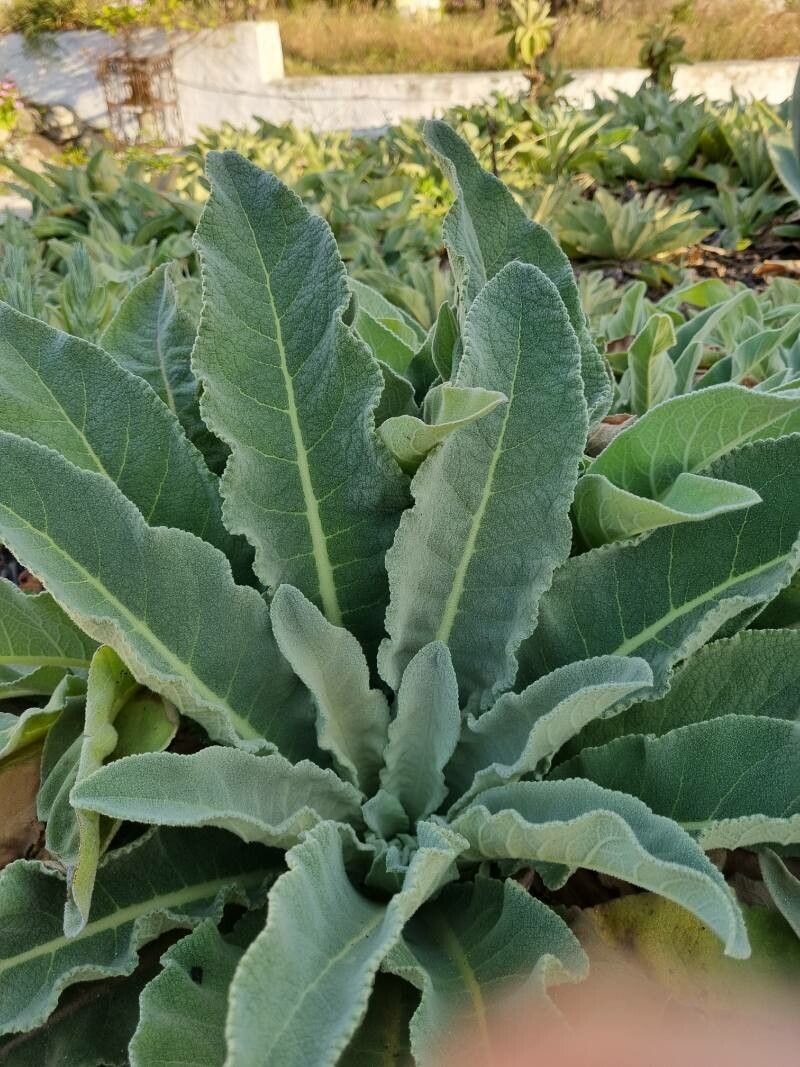
Taming the Wild Beauty: Propagating Verbascum litigiosum from Seed
Verbascum litigiosum, more affectionately known as the purple mullein, is a sight to behold. Towering spires of vibrant yellow flowers, delicately etched with purple, rise from a rosette of silvery-green leaves. While often found gracing roadsides and meadows with wild abandon, this biennial beauty can also be welcomed into your garden with a bit of know-how.
Fortunately, propagating Verbascum litigiosum is a surprisingly straightforward process, particularly from seed. Let’s delve into the details and unlock the secrets to successfully cultivating this striking plant.
Seed Collection and Storage:
Timing is key when it comes to collecting Verbascum litigiosum seeds. Wait until the flower spikes have faded and dried, revealing small, brown seed capsules. These capsules should be brittle to the touch and easy to crumble. Once collected, allow the capsules to dry completely in a warm, well-ventilated location. After a few days, gently crush the capsules to release the tiny, dust-like seeds. Store these precious treasures in a cool, dry place until you’re ready to sow.
Sowing Time:
Verbascum litigiosum seeds can be sown in both spring and fall.
- Spring Sowing (After the last frost): This method allows for a full season of growth, leading to larger rosettes by the first winter.
- Fall Sowing (Early Fall/Late Summer): Seeds sown in fall will experience a natural stratification process over winter, leading to potentially greater germination rates in the spring.
Sowing Techniques:
Direct Sowing:
- Prepare the bed: Select a sunny location with well-drained soil. Verbascum litigiosum thrives in poor, even rocky soil, so extensive amending isn’t necessary. Simply loosen the soil with a rake and remove any large debris.
- Scatter the seeds: Due to their small size, scattering seeds over the soil surface is the most effective method. Aim for even distribution, but don’t worry about spacing too much as you will thin the seedlings later.
- Gentle pressure: Once scattered, lightly press the seeds into the soil surface. They need light to germinate, so avoid burying them deeply.
- Water consistently: Until germination, keep the soil consistently moist but not waterlogged.
Indoor Sowing:
- Choose your container: A shallow seed tray or individual pots work well.
- Seed starting mix: Fill your chosen container with a well-draining seed starting mix.
- Sow and mist: Sprinkle a few seeds per cell or pot, misting the surface with water.
- Warmth and light: Place the container in a bright location, maintaining a temperature of around 65-75°F (18-24°C).
- Transplanting: Once seedlings have developed a few sets of true leaves, and after the last frost, they can be hardened off and transplanted outdoors.
Caring for Your Verbascum litigiosum:
Verbascum litigiosum is remarkably low-maintenance. Once established, it requires minimal watering, except during periods of extreme drought. Deadheading spent flower spikes can encourage a longer bloom period.
By following these simple steps, you can successfully propagate Verbascum litigiosum and enjoy its stately beauty in your own backyard. From seed to stunning bloom, witnessing the life cycle of this wildflower is a rewarding experience for any gardener. So go ahead, embrace the challenge, and allow this captivating plant to grace your garden with its vibrant presence.