
Taming the Giant: How to Propagate Large-Leaved Crownbeard (Verbesina macrophylla)
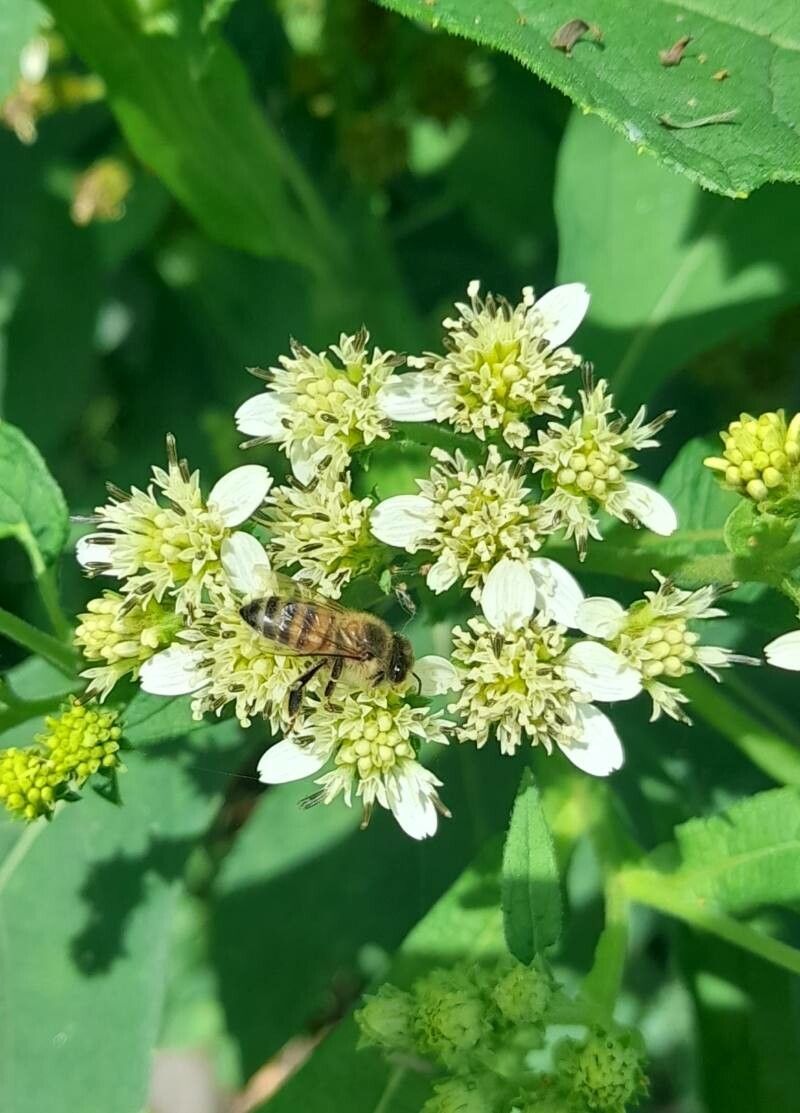
The Large-leaved Crownbeard, aptly named for its impressive foliage and sunny disposition, makes a statement in any garden. Reaching heights of up to 10 feet, this North American native, scientifically known as Verbesina macrophylla, boasts bold, heart-shaped leaves and a profusion of bright yellow, daisy-like flowers that attract a plethora of pollinators.
If you’re looking to invite this gentle giant into your garden or share its beauty with friends, propagating Verbesina macrophylla is a relatively straightforward process. Here’s how you can cultivate more of these stunning plants:
Methods of Propagation:
- Seeds: Large-leaved Crownbeard readily produces seeds after flowering.
- Collection: Collect seeds in late summer or early fall when the flower heads have dried and turned brown. Gently crush the seed heads to release the seeds.
- Sowing: Sow seeds directly outdoors in fall or start them indoors 6-8 weeks before the last frost. Press seeds lightly into the soil but do not bury them.
- Germination: Seeds typically germinate within 2-3 weeks.
- Division: For established plants, division offers a reliable propagation method.
- Timing: Divide plants in spring or fall.
- Process: Carefully dig up the entire plant and use a sharp, clean knife or spade to separate the rootball into smaller sections, ensuring each section has a good amount of roots and shoots.
- Replanting: Replant the divisions immediately at the same depth they were originally growing.
- Cuttings: While not as common, propagation from stem cuttings is achievable.
- Timing: Take cuttings from new growth in late spring or early summer.
- Preparation: Select healthy stems and cut 4-6 inch sections just below a leaf node. Remove the leaves from the bottom half of the cutting.
- Rooting: Dip the cut end in rooting hormone (optional) and plant it in a well-draining potting mix. Keep the soil consistently moist.
- Transplanting: Once roots develop, typically within 4-6 weeks, transplant the cuttings into individual pots or a prepared garden bed.
Key Tips for Success:
- Soil: Verbesina macrophylla thrives in well-drained soil with average fertility. Amending the soil with compost can enhance drainage and provide nutrients.
- Light: Choose a location with full sun to partial shade. While the plant tolerates some shade, it thrives and flowers best with ample sunlight.
- Water: Provide regular watering, especially during the first year after planting. Once established, the plant exhibits moderate drought tolerance.
- Maintenance: Deadhead spent flowers to encourage continuous blooming and prevent self-seeding if desired. Cut back the plant in late fall or early spring to maintain a tidy appearance.
Why Propagate Large-Leaved Crownbeard?
Beyond its striking appearance, propagating Verbesina macrophylla offers numerous benefits. This low-maintenance plant adds vertical interest and architectural beauty to the garden. Its abundance of nectar-rich flowers attracts bees, butterflies, and other beneficial insects, contributing to a healthy ecosystem. Additionally, this native species is generally pest-free and disease-resistant.
With its ease of propagation and captivating presence, the Large-leaved Crownbeard deserves a prominent spot in any gardener’s repertoire. So why not don your gardening gloves, embrace these simple techniques, and share the joy of this magnificent plant with fellow garden enthusiasts?