
Demystifying Veronica caucasica Propagation: Seeds vs. Cuttings
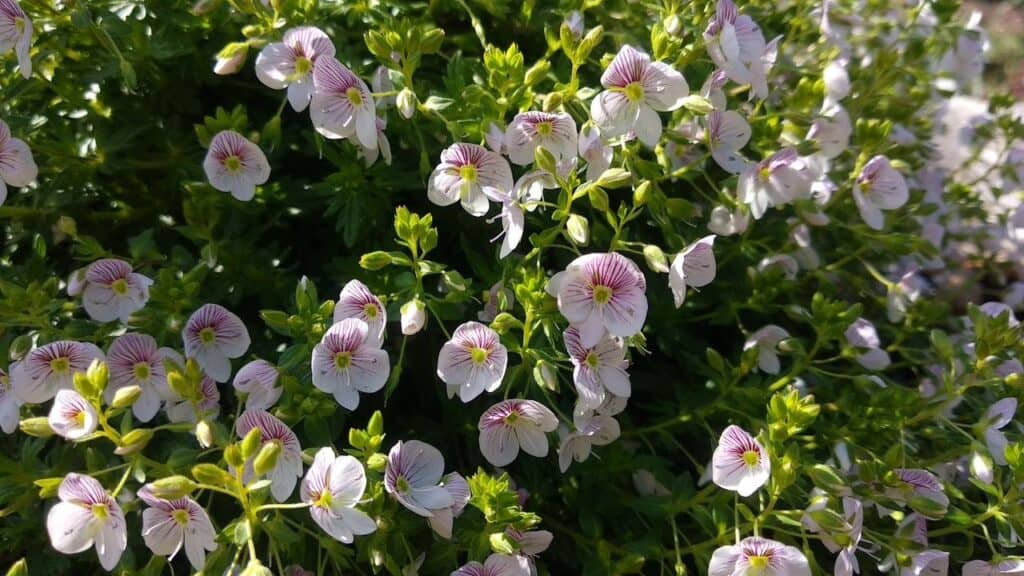
Veronica caucasica, with its charming spikes of delicate, saucer-shaped blooms in shades of blue, purple, or white, is a gardener’s delight. This low-maintenance perennial adds a touch of elegance to rock gardens, borders, and wildflower meadows alike. But how do you go about multiplying your Veronica caucasica treasures and spreading the floral joy? Two main methods prevail: propagation by seeds and by cuttings.
Sowing Seeds of Success
Propagating Veronica caucasica from seeds is an exciting (and surprisingly simple!) way to expand your flowerbeds. Here’s how:
- Seed Collection (Optional): If you already have a Veronica caucasica plant, you can collect seeds from the dried flower heads in late summer or early fall. Look for small, brown seeds within the seed pods.
- Sowing Time: You can start seeds indoors 6-8 weeks before the last frost, or sow directly outdoors after the last frost.
- Soil Preparation: Use a well-draining seed starting mix or a general potting mix.
- Sowing Depth: Sprinkle the seeds on the surface and lightly press them in – they need light to germinate.
- Watering: Keep the soil consistently moist but not waterlogged.
- Light: Place the seed trays or pots in a bright location, out of direct sunlight.
- Germination: Patience is key! Germination can take 2-4 weeks.
- Transplanting: When seedlings are large enough to handle, transplant them to individual pots or directly into the garden after all danger of frost has passed. Space them 12-18 inches apart.
Taking the Cutting Edge
Propagation from cuttings offers a faster route to new Veronica caucasica plants and ensures you’re replicating the characteristics of your favorite plant. Follow these steps:
- Timing is Key: Take softwood cuttings in late spring or early summer when the plant is actively growing.
- Making the Cut: Using a clean, sharp knife or pruner, cut a 4-6 inch section of stem just below a leaf node.
- Preparation is Key: Remove the lower leaves, leaving 2-3 pairs at the top.
- Rooting Hormone (Optional): Dip the cut end in rooting hormone to encourage root development.
- Planting the Cuttings: Insert the cuttings into a pot filled with a moist, well-draining rooting mix.
- Creating Humidity: Cover the pot with a plastic bag or humidity dome to retain moisture.
- Light and Water: Place in a bright location but out of direct sunlight. Keep the rooting mix consistently moist.
- Root Development: After 4-6 weeks, gently tug on the cuttings to check for resistance. Resistance indicates root development.
- Transplanting: Once rooted, carefully transplant the new plants to larger pots or their permanent location in the garden.
The Verdict?
Both seed starting and taking cuttings offer unique advantages for propagating Veronica caucasica. Seed starting is a fun and rewarding process that allows for greater genetic diversity, potentially leading to variations in bloom color. On the other hand, cuttings offer a faster turnaround time and ensure you’re replicating the exact characteristics of your desired plant. Whichever method you choose, with a little care and attention, you’ll soon be enjoying a flourishing collection of these beautiful, easy-care perennials.