
Propagating Culver’s Root (Veronicastrum virginicum): A Gardener’s Guide
Introduction:
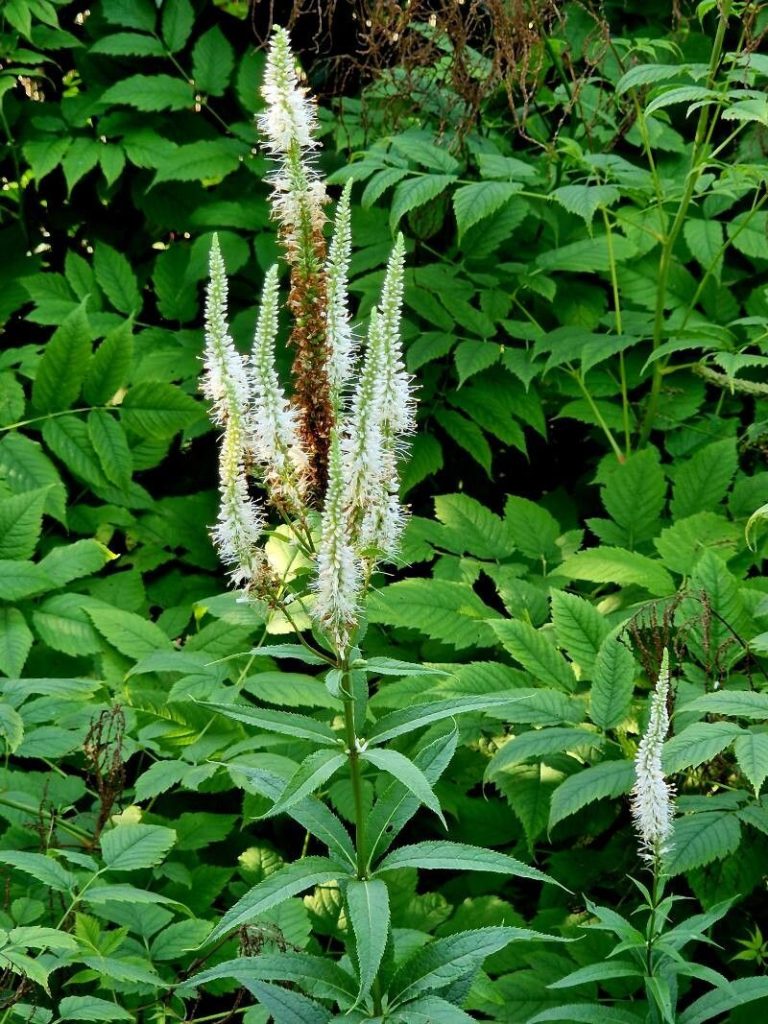
Veronicastrum virginicum, commonly known as Culver’s root, is a striking perennial native to eastern North America. Its tall, elegant spires of densely packed, small white or sometimes pink flowers make it a highly prized ornamental plant in gardens. It boasts a stately presence, adding vertical interest and a late summer bloom to borders and meadows. Its adaptability and relative ease of care contribute to its widespread popularity, though propagation can present some unique challenges and rewards. Successful propagation allows gardeners to expand their existing stands of this beautiful plant or share it with others.
Seed Germination:
Seed germination for Veronicastrum virginicum is possible but can be challenging and slow. The seeds possess a degree of dormancy, requiring a period of cold stratification before germination will reliably occur.
Challenges: Low germination rates are common, even with stratification. Seeds may require several months of stratification before sprouting, and the seedlings can be slow to establish.
Practical Tips: Collect seeds as soon as the seed pods turn brown, but before they split open completely. Stratify seeds by mixing them with moist peat moss or vermiculite and storing them in a sealed bag in the refrigerator at 3-4°C (37-39°F) for 3-4 months. Sow seeds in a well-draining seed starting mix after stratification, keeping the soil evenly moist but not soggy. Germination can take several weeks to several months. Provide bright, indirect light.
Rewards: Successful seed germination offers the advantage of generating genetic diversity within a population of Culver’s root. This diversity can lead to plants with slightly varying characteristics, potentially enhancing resilience and adaptability. It also offers a cost-effective method for large-scale propagation, though patience is certainly required.
Cuttings:
Currently, there are no known reliable methods for propagation of Veronicastrum virginicum via stem cuttings. Hardwood, softwood, and herbaceous cuttings have consistently shown very low success rates.
Division:
Division is the most reliable and recommended method for propagating Veronicastrum virginicum.
Challenges: The timing of division is crucial. It’s best done in early spring or fall, as this minimizes stress on the plant. Care must be taken not to damage the roots, which can be quite extensive and fragile.
Practical Tips: Dig up the mature plant carefully, ensuring you get as much of the root system as possible. Divide the root ball into several sections, each with healthy roots and several growing points. Replant the divisions immediately into well-prepared soil, ensuring each division has enough space to grow. Water thoroughly after planting.
Rewards: Division provides a fast and efficient method for increasing the number of plants. It’s generally more successful than seed propagation and preserves the exact genetic characteristics of the mother plant. The established divisions grow more quickly and readily than seedlings.
Tissue Culture:
Tissue culture propagation is a technically advanced method and while potentially viable for Veronicastrum virginicum, it’s not commonly used by home gardeners. Specialized equipment, a sterile environment, and expertise in plant tissue culture techniques are essential. This method is usually employed for large-scale commercial propagation or research purposes.
Challenges: High initial investment in materials and equipment, specialized knowledge, and maintaining a completely sterile environment are all major obstacles.
Practical Tips: Not applicable for home gardeners without appropriate laboratory facilities and training.
Rewards: Large numbers of genetically identical plants can be produced quickly and efficiently, allowing for rapid propagation and preservation of rare or desirable cultivars.
Conclusion:
Propagating Culver’s root presents varying degrees of challenge across different methods. While seed germination offers the possibility of genetic diversity but is time-consuming and unreliable, division provides the most dependable outcome for home gardeners. Cuttings, to date, have consistently proven ineffective. Tissue culture remains a specialized and resource-intensive method best suited for professionals.
Successfully cultivating Culver’s root, despite the propagation hurdles, brings a unique sense of accomplishment. The beauty and elegance of this native perennial are well worth the effort, fulfilling the gardener’s desire to connect intimately with the plant’s life cycle, from seed to sturdy bloom. For aspiring propagators of this stately plant, focus on division as your primary method. Patience and meticulous attention are your best allies in the rewarding journey of propagating Culver’s root.