How to Propagate Verticordia plumosa

Propagating the Feather Flower: A Guide to Verticordia plumosa

Introduction

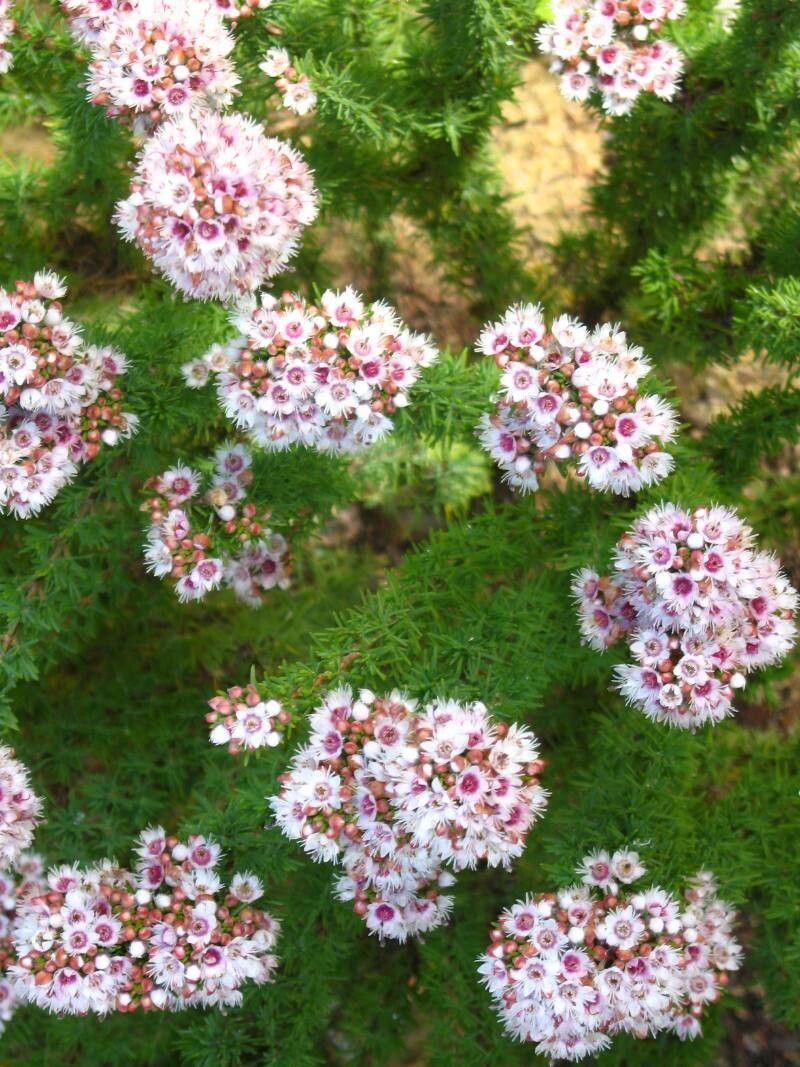
Verticordia plumosa, commonly known as the Feather Flower, is a captivating Australian native shrub prized for its delicate, feathery flowers. These flowers, ranging in colour from pink to deep red, appear in profusion, creating a stunning display. Its compact habit and relatively low maintenance requirements have contributed to its growing popularity among gardeners. However, propagating Verticordia plumosa presents unique challenges due to its specific environmental needs and relatively low seed viability. This article explores various propagation methods, assessing their viability and outlining practical tips for success.

Seed Germination

Currently, there are no known reliable methods for seed germination propagation of Verticordia plumosa. While seeds may be produced, germination rates are exceptionally low, making this method impractical for most gardeners. Further research into specific pre-treatment techniques, such as scarification or specific temperature stratification, might yield some success, but this has not yet been documented.

Cuttings

Cuttings offer the most reliable method for propagating Verticordia plumosa.

Challenges: Success with cuttings hinges on careful timing and the use of appropriate rooting hormones. The relatively low success rate necessitates taking multiple cuttings. Overwatering is a common cause of failure.

Practical Tips: Semi-hardwood cuttings taken in late spring or early summer are most successful. Use a sharp knife or secateurs to take cuttings about 8-10cm long, removing lower leaves to prevent rotting. Dip the cut end in a rooting hormone powder and plant in a well-draining propagating mix (e.g., a mixture of perlite and vermiculite). Maintain a consistently moist but not soggy environment, ideally under a humidity dome or plastic cover. Mist regularly to maintain humidity. Propagation under mist is highly recommended.

Rewards: Cuttings are a reliable way to maintain desired genetic characteristics and provide a quicker route to flowering plants compared to other methods.

Division

Division is generally not a viable method for propagating Verticordia plumosa. The plant’s fibrous root system and compact growth habit make it difficult to divide while preserving the health of the parent plant and the separated divisions. Attempts at division often result in the death of the divided sections.

Tissue Culture

Tissue culture offers a potential, albeit specialized, method for large-scale propagation of Verticordia plumosa.

Challenges: Tissue culture requires sterile laboratory conditions, specialized equipment, and a high level of technical expertise. The process is also relatively costly and time-consuming.

Practical Tips: Successful tissue culture propagation requires experience in plant tissue culture techniques. The development of suitable media and protocols specific to Verticordia plumosa would be vital for optimal results.

Rewards: Tissue culture enables rapid clonal propagation, offering the potential to produce a large number of genetically identical seedlings, ideal for commercial or conservation purposes. It can overcome some of the limitations of other methods for producing large quantities of plants.

Conclusion

Propagating Verticordia plumosa presents distinct challenges across all methods examined. While seed propagation proves unreliable, cuttings provide the most accessible and practical approach for the home gardener. Tissue culture offers a potential avenue for large-scale propagation, but requires considerable expertise and resources. The difficulties inherent in propagating this beautiful plant only serve to amplify the sense of accomplishment derived from its successful cultivation. The vibrant display of a thriving Verticordia plumosa grown from a cutting is a testament to patience and horticultural skill. Patience, precision, and a willingness to learn are key to success. Don’t be discouraged by initial setbacks – even experienced propagators encounter challenges. Keep experimenting, and the rewards of cultivating these exquisite Feather Flowers will be well worth the effort.

How to Propagate Verticordia plumosa

Propagating the Feather Flower: A Guide to Verticordia plumosa

Introduction:

Verticordia plumosa, commonly known as the Feather Flower, is a captivating Australian native shrub prized for its delicate, feathery flowers that range in color from pink to deep red. Its intricate blooms and relatively compact size make it a popular choice for gardens, particularly those designed with a focus on native flora. However, propagating this beauty can present some challenges, demanding patience and specific techniques. Its relatively slow growth rate and somewhat fussy nature contribute to its allure and make successful propagation all the more rewarding.

Seed Germination:

Currently, there are no known reliable methods for seed germination propagation of Verticordia plumosa. While seeds may be produced, their germination rate is extremely low, and even under optimal conditions, successful germination is rarely achieved. The precise reasons for this low success rate are not fully understood, but factors such as dormancy mechanisms and specific symbiotic requirements may be involved.

Cuttings:

Cuttings are the most commonly used and reliable method for propagating Verticordia plumosa. However, it’s not a guaranteed success.

Challenges: The primary challenge lies in achieving successful rooting. Verticordia cuttings are prone to fungal infections and can easily rot if not handled carefully.

Practical Tips: Take semi-hardwood cuttings in late spring or early summer from non-flowering stems. Use a sharp, clean knife or secateurs to make a clean cut just below a node. Remove lower leaves to prevent rotting and dip the cut end in a rooting hormone powder. Plant the cuttings in a well-draining propagating mix, such as a blend of perlite and vermiculite, ensuring good air circulation. Cover with a humidity dome or plastic bag to maintain high humidity. Keep the medium consistently moist but not soggy. Rooting can take several weeks or even months.

Rewards: Successful propagation from cuttings allows for the preservation of desirable traits from a particular parent plant, providing a genetically identical clone. This method is relatively straightforward compared to other techniques, making it accessible to home gardeners.

Division:

Division is generally not a practical method for propagating Verticordia plumosa. The plant’s root system is not easily divided without causing significant damage, leading to low survival rates.

Tissue Culture:

Tissue culture offers the potential for large-scale propagation of Verticordia plumosa and provides a method to overcome difficulties associated with seed germination and cuttings.

Challenges: Tissue culture requires specialized equipment, sterile conditions, and expertise in plant tissue culture techniques. It is generally not a feasible option for the average home gardener.

Practical Tips: This technique is best left to nurseries or research facilities with the necessary resources and knowledge. Sterile conditions are imperative to prevent contamination. Specific media formulations and growth regulators are crucial for successful propagation.

Rewards: Tissue culture allows for rapid multiplication of desirable plants, potentially offering disease-free and genetically uniform plants.

Conclusion:

Propagating Verticordia plumosa presents unique challenges, with cuttings representing the most viable method for the home gardener. While seed germination is unreliable and division impractical, tissue culture offers potential for large-scale production but requires specialized expertise and resources. The rewards, however, are significant: the satisfaction of cultivating this exquisite native shrub, the preservation of its unique characteristics, and the contribution to its conservation. The patience and attention required in its propagation only serve to heighten the pleasure of finally witnessing the delicate, feathery blooms unfurl. For aspiring propagators, don’t be discouraged by initial setbacks; persistence often pays off when working with this enchanting plant. Remember to maintain meticulous hygiene to minimize the risk of fungal infections, and celebrate the smaller victories along the way. The beauty of a successfully propagated Verticordia plumosa is a testament to your dedication and horticultural skill.