
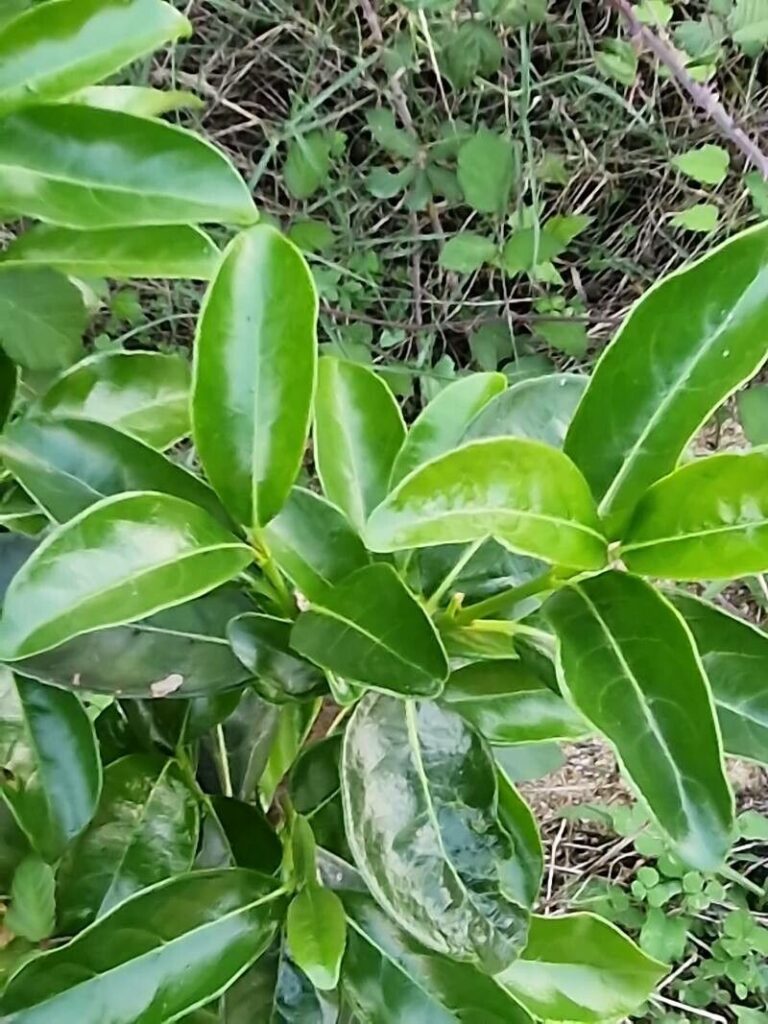
Sweet Success with Sweet Viburnum: Your Guide to Propagating Viburnum odoratissimum
The Sweet Viburnum (Viburnum odoratissimum) is aptly named. Its glossy evergreen foliage and intoxicatingly fragrant spring blooms are a treasure in any garden. But what if you could multiply that treasure, filling your space with the captivating scent of viburnum on a budget? Good news – propagating Viburnum odoratissimum is achievable even for beginner gardeners.
Here’s your guide to successfully propagating this lovely shrub:
Understanding the Methods
Viburnum odoratissimum can be propagated through two primary methods:
- Cuttings: Taking cuttings involves snipping a piece of healthy stem and encouraging it to develop roots. This method is popular for its relative ease and quick results.
- Seed Propagation: Growing viburnum from seed is a longer process but can be rewarding. It’s important to note that seeds may not always produce plants identical to the parent.
Propagating by Cuttings
- Timing is Key: The ideal time for taking cuttings is late spring or early summer, when the plant is actively growing.
- Selecting the Cuttings: Choose healthy, non-flowering stems that are about 4-6 inches long. Make a clean cut just below a leaf node (the point where a leaf emerges from the stem).
- Preparing the Cuttings: Remove the leaves from the bottom half of the cutting. Dip the cut end in rooting hormone powder to stimulate root development.
- Planting the Cuttings: Plant each cutting in a pot filled with a well-draining potting mix. You can create a mini greenhouse by covering the pot with a plastic bag to retain moisture.
- Patience is a Virtue: Place the potted cuttings in a bright location out of direct sunlight. Keep the soil consistently moist but not waterlogged. Root development can take anywhere from 6-8 weeks.
Propagating by Seed
- Seed Collection: Viburnum seeds are typically found within berries that appear after flowering. Collect ripe berries and extract the seeds, cleaning off any pulp.
- Stratification: Viburnum seeds benefit from a period of cold stratification to mimic natural winter conditions. This involves storing the seeds in a moist medium (like vermiculite or peat moss) in the refrigerator for 6-8 weeks.
- Sowing the Seeds: After stratification, plant the seeds in seed trays or pots filled with a seed-starting mix. Lightly cover the seeds with soil and mist with water.
- Warmth and Light: Place the seed trays in a warm and well-lit location, maintaining consistent moisture. Germination can be slow and sporadic, taking several weeks or even months.
Tips for Success
- Sterility is Key: Use clean tools and pots to prevent disease transmission.
- Right Soil Matters: Viburnums prefer well-draining soil that is slightly acidic.
- Don’t Overwater: Keep the soil moist but avoid overwatering, which can lead to root rot.
- Transplanting: Once your cuttings or seedlings are established, you can transplant them into larger pots or directly into the garden.
Propagating Viburnum odoratissimum is a rewarding endeavor that allows you to expand your garden with beautiful, fragrant shrubs. With patience and the right know-how, you’ll be enjoying the sweet reward of your efforts for years to come!