
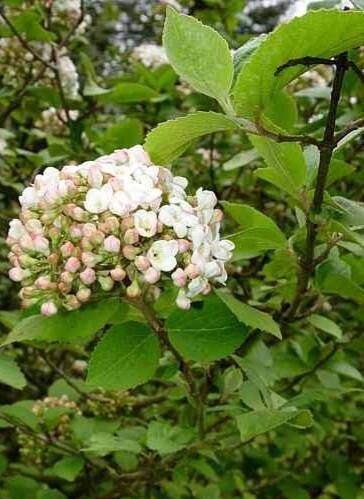
Propagating the Koreanspice Viburnum (Viburnum × carlcephalum): A Gardener’s Guide
Introduction:
Viburnum × carlcephalum, commonly known as Koreanspice Viburnum, is a highly prized deciduous shrub beloved by gardeners for its incredibly fragrant, creamy-white flowers in spring, followed by attractive red berries that mature to a dark bluish-black. Its compact habit and vibrant autumn foliage further enhance its appeal, making it a versatile addition to landscapes, borders, and even containers. However, its popularity presents a challenge: obtaining new plants can be difficult. While commercially available, propagating Koreanspice Viburnum offers a rewarding experience, though it is not without its complexities. The hybrid nature of this viburnum impacts its propagation methods, potentially making some more successful than others.
Seed Germination:
Currently, there are no known reliable methods for seed germination propagation of Viburnum × carlcephalum. The hybrid nature of the plant often results in sterile seeds or seedlings with inconsistent characteristics, making seed propagation impractical for maintaining desirable traits.
Cuttings:
Cuttings offer a more feasible method for propagating Koreanspice Viburnum.
Challenges: The success rate for cuttings can be variable. Hardwood cuttings taken from dormant wood in late winter have shown some success, but the rooting process can be slow.
Practical Tips: Take 4-6 inch cuttings from mature, non-flowering stems. Remove lower leaves, dip the cut ends in rooting hormone, and plant them in a well-draining, moist propagation mix (e.g., peat moss and perlite). Maintain high humidity (using a propagator or plastic bag) and consistent moisture. Bottom heat can significantly improve rooting success. Patience is key; rooting may take several months.
Rewards: Cuttings ensure the preservation of the parent plant’s desirable traits, resulting in genetically identical offspring. It’s a relatively simple method once mastered, allowing for efficient propagation of a limited number of plants.
Division:
Division is a viable method, but with limitations.
Challenges: Koreanspice Viburnum doesn’t readily produce numerous stems suitable for division. Dividing an established plant risks damaging the root system, potentially harming the mother plant.
Practical Tips: Division is best performed in early spring or fall, during periods of dormancy. Carefully dig up the plant, ensuring you disturb the roots as minimally as possible. Divide the root ball into sections, each containing several healthy stems and a good root system. Replant the divisions immediately, ensuring that they are well-watered.
Rewards: Division offers a quick way to increase the number of plants, similar to cuttings, though only if the plant is of appropriate size and age.
Tissue Culture:
Tissue culture is a sophisticated method that can be highly effective.
Challenges: This method requires specialized equipment, sterile conditions, and expertise in plant tissue culture techniques. It’s not a home propagation technique.
Practical Tips: Tissue culture is best left to nurseries and professionals with the necessary resources and training. This method allows for large-scale propagation and the potential to produce disease-free plants.
Rewards: Tissue culture offers the highest success rate and allows for rapid propagation of numerous identical plants. It’s essential for commercial propagation and for preserving rare or desirable cultivars.
Conclusion:
Propagating Koreanspice Viburnum presents unique challenges dependent on the method chosen. Seed propagation isn’t a practical option, while division offers limited success. Cuttings provide a moderately straightforward approach for home gardeners, but require diligence and patience. Tissue culture is the most efficient method but is beyond the capabilities of most home gardeners.
The inherent difficulty in propagating this beautiful shrub adds to the profound sense of accomplishment derived from successfully growing it from cuttings or divisions. The fragrant flowers and vibrant autumn hues are all the more rewarding when considering the dedication required to cultivate new plants. Don’t be discouraged by failures; experimentation, careful observation, and persistence are crucial to success. With a little effort, you can enjoy the satisfaction of propagating your own Koreanspice Viburnums and sharing the beauty of this remarkable plant with others.