
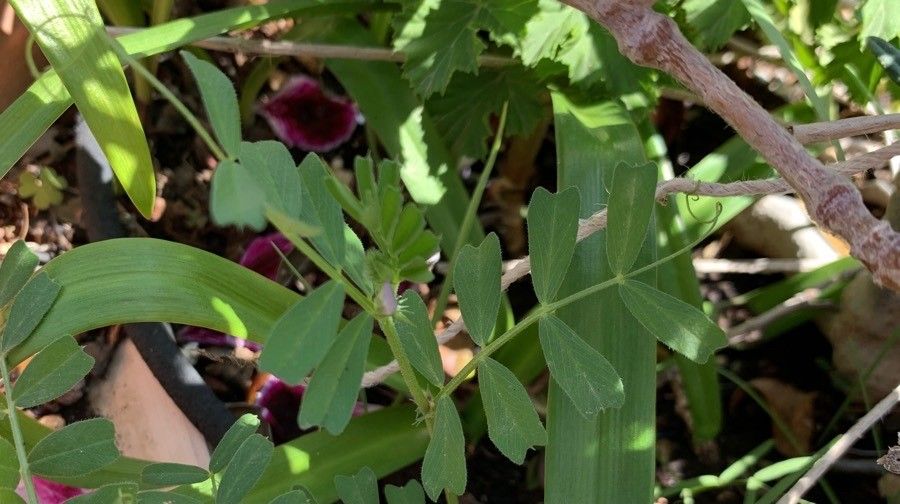
Unleashing the Potential of Cuspidated Vetch: A Guide to Propagation
Cuspidated vetch (Vicia cuspidata), with its charming lavender blooms and delicate tendrils, is a versatile plant waiting to enhance your garden. But did you know that propagating this beauty is surprisingly simple? Whether you’re a seasoned gardener or just starting your green journey, this guide will equip you with the knowledge to successfully propagate Vicia cuspidata and spread its vibrant charm.
Understanding the Basics:
Before delving into the techniques, it’s helpful to understand the natural life cycle of Vicia cuspidata. This annual legume reproduces primarily through seeds, making seed starting a popular propagation method.
Method 1: Seed Starting – Watch Those Vetchlings Grow!
- Seed Collection: Collect mature seed pods from existing plants. The pods will turn brown and dry out when ready. Gently break them open to reveal the seeds within.
- Seed Scarification (Optional): Vicia cuspidata seeds have a hard outer coating that can benefit from scarification – a process of slightly damaging the seed coat to encourage germination. Lightly rub the seeds between two pieces of sandpaper or make a small nick in the seed coat with a nail clipper.
- Sowing: Sow seeds directly into well-drained soil in early spring or fall, about ½ to 1 inch deep and 2-3 inches apart. If starting indoors, use seed trays and transplant seedlings outdoors after the last frost.
- Watering: Keep the soil consistently moist but not waterlogged.
- Germination: With proper care, germination should occur within 1-2 weeks.
Method 2: Cuttings – Cloning Your Favorite Vetch
While not as common as seed propagation, taking cuttings can be an effective way to replicate desirable traits of a particular Vicia cuspidata plant.
- Choosing a Cutting: Select a healthy, non-flowering stem about 4-6 inches long.
- Preparing the Cutting: Remove the leaves from the lower half of the stem. Dip the cut end in rooting hormone (optional but recommended).
- Planting the Cutting: Plant the cutting in a pot filled with a well-draining potting mix, burying at least two nodes below the soil surface.
- Creating a Humid Environment: Cover the pot with a plastic bag or use a humidity dome to create a greenhouse-like environment.
- Rooting: Place the cutting in a warm, bright location but out of direct sunlight. Roots should develop in 3-4 weeks. Once roots are established, transplant the cutting into a larger pot or directly into the garden.
Tips for Success:
- Timing is Key: For seed starting, early spring or fall is ideal. Cuttings are best taken in late spring or early summer.
- Soil Matters: Vicia cuspidata prefers well-drained, loamy soil with a slightly acidic to neutral pH.
- Sunlight Requirements: This plant thrives in full sun to partial shade.
- Pests and Diseases: Be on the lookout for common garden pests like aphids and slugs. Choose disease-resistant varieties whenever possible.
With a little patience and these simple techniques, you’ll be well on your way to cultivating this beautiful and beneficial plant. So, go ahead, unleash the potential of Vicia cuspidata and watch your garden flourish with vibrant life!