
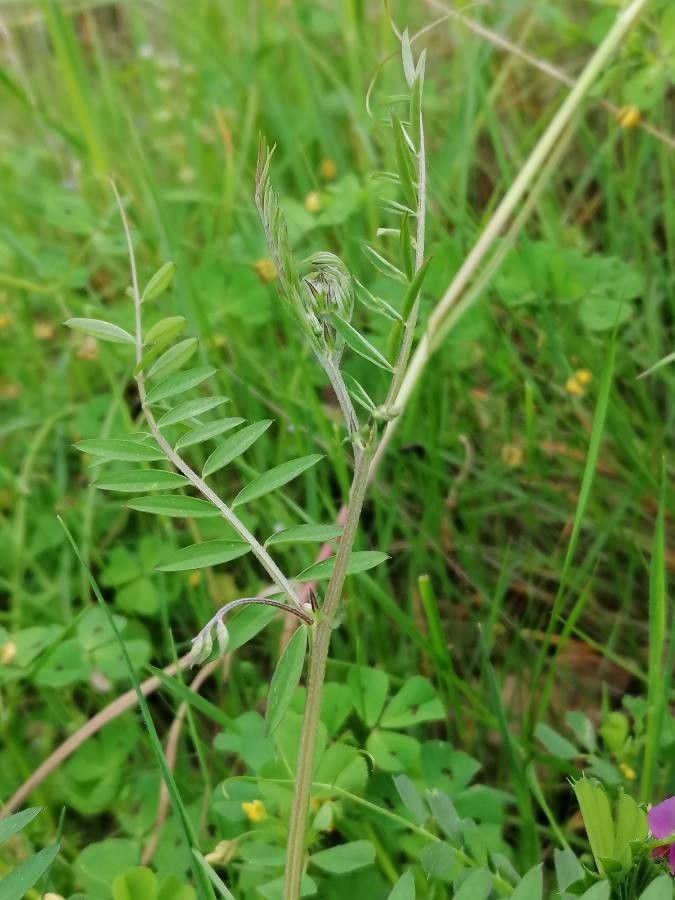
Taming the Tiny Trefoils: How to Propagate Hairy Vetch (Vicia hirsuta)
Hairy vetch, also known by its scientific name Vicia hirsuta, might not be the first plant that comes to mind when you think of a vibrant garden. However, don’t let its unassuming appearance fool you! This delicate vine, adorned with tiny, intricately designed leaves and dainty white-to-pale-blue flowers, is a powerhouse in the plant world. From fixing nitrogen in the soil to providing valuable forage for livestock and attracting beneficial insects, hairy vetch plays a vital role in supporting a healthy ecosystem.
Perhaps the most appealing aspect of hairy vetch is how incredibly easy it is to propagate. Whether you are an experienced gardener or just starting your green journey, this guide will equip you with the knowledge to successfully cultivate this rewarding plant.
The Magic of Seeds
Hairy vetch reproduces primarily through seeds, making this the most straightforward and accessible propagation method. Here’s how you can do it:
- Seed Collection: If you already have hairy vetch growing, allow the pods to fully mature and turn brown before collecting the seeds. Alternatively, you can purchase seeds online or at a local nursery.
- Sowing Time: Hairy vetch prefers cool temperatures and is best sown in early spring or fall.
- Soil Preparation: Choose a well-drained location with full sun to partial shade. While hairy vetch is adaptable to various soil types, loosening the soil with a garden fork before sowing will encourage healthy root establishment.
- Sowing Depth: Plant the seeds approximately 1 inch deep and space them 2-3 inches apart.
- Watering: Keep the soil consistently moist until the seeds germinate, which typically takes 7-14 days.
- Thinning: Once the seedlings reach a few inches tall, thin them out to maintain a spacing of 6-8 inches. This allows ample space for the plants to flourish.
Beyond Seeds: Exploring Other Propagation Techniques
While seed propagation is the most common method for hairy vetch, you can also experiment with cuttings for faster results:
- Cutting Selection: In the spring, choose healthy stems that are about 4-6 inches long and have several nodes.
- Cutting Preparation: Remove the lower leaves from the stem, leaving a few leaves at the top.
- Rooting Hormone (Optional): Dipping the cut end in rooting hormone can encourage faster root development.
- Planting the Cutting: Plant the cutting in a pot filled with a well-draining potting mix, ensuring at least two nodes are below the soil surface.
- Moisture and Environment: Keep the potting mix moist and place the pot in a warm location with indirect sunlight.
- Transplanting: After a few weeks, gently tug on the cutting to check for root development. Once the roots are established, you can transplant the cutting into your garden.
Nurturing Your Hairy Vetch
Hairy vetch is relatively low-maintenance once established. It benefits from regular watering, especially during dry periods. While not mandatory, you can provide a balanced fertilizer a few times during the growing season to promote lush growth.
Reaping the Rewards
As the hairy vetch matures, you’ll witness its remarkable ability to attract pollinators and beneficial insects, enhancing the biodiversity of your garden. If using it as a cover crop, cut the plants down and incorporate them into the soil before they set seed. This will add valuable nutrients and organic matter to your garden, creating a thriving environment for future plantings.
By following these simple propagation techniques, even novice gardeners can experience the joy of nurturing hairy vetch. This unassuming yet powerful plant is a testament to the fact that beauty and benefit often come in the smallest of packages.