
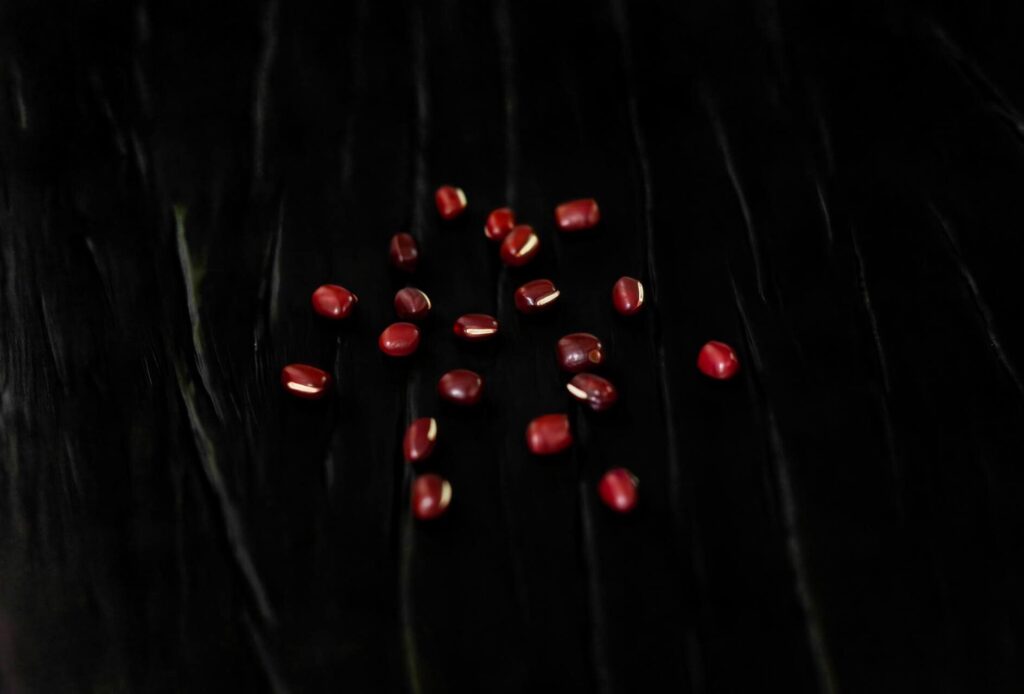
Unleashing the Magic of Adzuki Beans: A Guide to Propagating Vigna Angularis
Adzuki beans, with their vibrant red coats and subtly sweet flavor, are a staple in many Asian cuisines. But did you know that growing your own adzuki bean plants (Vigna angularis) at home is surprisingly easy? Whether you’re a seasoned gardener or just starting out, this guide will show you how to propagate these beauties and enjoy a bountiful harvest.
Two Paths to Adzuki Bean Glory: Seeds vs. Cuttings
There are two main methods for propagating adzuki beans:
1. Starting from Seed:
- Timing is Key: Adzuki beans thrive in warm weather and require a long growing season, around 90-100 days. Sow seeds directly outdoors after the last frost, when the soil has warmed up to about 65°F (18°C).
- Sowing the Seeds: Plant seeds 1-2 inches deep and 4-6 inches apart in rows spaced 18-24 inches apart. Water well after planting.
- Patience is a Virtue: Germination typically takes 1-2 weeks. Once seedlings emerge, thin them out to leave the strongest plant every 8-12 inches.
2. Propagating from Cuttings:
- Selecting the Right Stem: Choose a healthy, non-flowering stem about 4-6 inches long from a mature adzuki bean plant.
- Preparing the Cutting: Using a sharp, sterilized knife, make a clean cut just below a leaf node. Remove the lower leaves, leaving 2-3 leaves at the top.
- Rooting Hormone (Optional): While not essential, dipping the cut end in rooting hormone can encourage faster root development.
- Planting the Cutting: Plant the cutting in a pot filled with a well-draining potting mix, burying at least one node below the soil surface.
- Creating a Humid Environment: Cover the pot with a plastic bag or use a propagation dome to maintain humidity and warmth.
Nurturing Your Adzuki Bean Plants:
No matter your chosen propagation method, providing the right care is crucial for healthy plants:
- Sunlight: Adzuki beans thrive in full sun, needing at least 6 hours of direct sunlight daily.
- Watering: Maintain consistently moist soil, but avoid overwatering, which can lead to root rot. Water at the base of the plants, avoiding wetting the leaves.
- Support System: As adzuki beans are climbing vines, provide support with stakes, trellises, or fences for optimal growth and bean production.
- Fertilization: While not heavy feeders, a balanced fertilizer applied every few weeks can encourage healthy growth.
Reaping the Rewards of Your Labor:
After weeks of care, the moment of truth arrives – harvest time! Adzuki beans are ready for picking when the pods turn brown and dry. You can enjoy them fresh, dry them for later use, or even save some seeds to start the propagation cycle anew.
Propagating your own adzuki beans is a rewarding experience that brings the joy of fresh, homegrown produce to your table. So, why not give it a try? You might just discover your new favorite gardening adventure.