
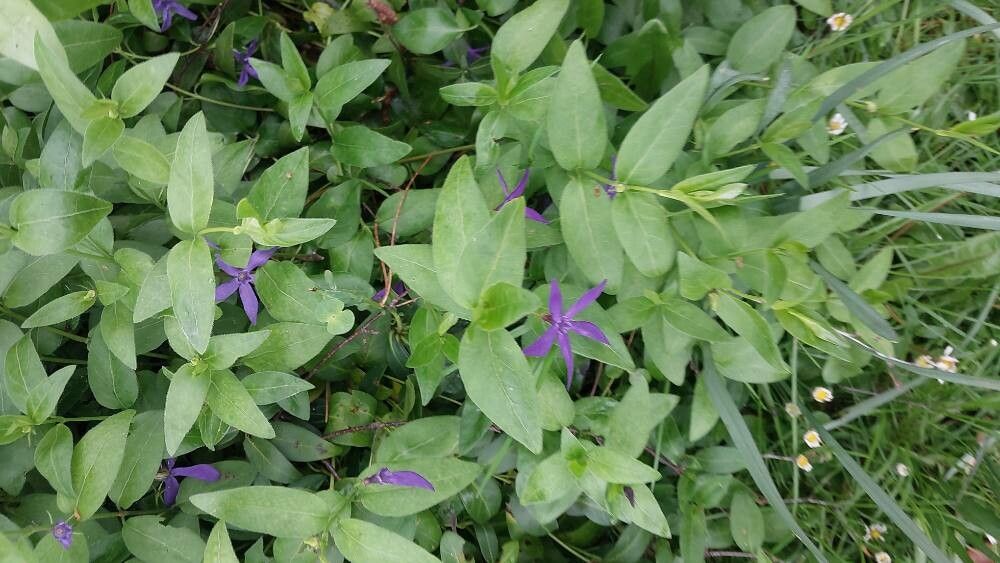
Periwinkle Power: How to Easily Propagate Vinca herbacea for a Burst of Color
Vinca herbacea, commonly known as the Dwarf Periwinkle or Lesser Periwinkle, is a delightful groundcover that brightens up gardens with its vibrant purple flowers. Not only is it beautiful, but it’s also incredibly easy to propagate, meaning you can readily expand your garden or share this plant with friends.
Why Propagate?
Beyond simply multiplying your plants, propagation offers several advantages:
- Cost-effective: Instead of purchasing new plants, you can create your own, saving you money.
- Variety Preservation: If you have a unique or particularly beloved Vinca herbacea variety, propagation ensures its continued presence in your garden.
- Increased Plant Success: Propagated plants are often more resilient and better adapted to your specific climate than store-bought ones.
Methods of Propagation:
Vinca herbacea can be propagated in a few easy ways:
1. Stem Cuttings:
- When to Take Cuttings: Take stem cuttings in early spring or late summer.
- Cutting Technique: Choose healthy stems that are about 4-6 inches long. Make a clean cut just below a node (where a leaf grows).
- Preparing the Cutting: Remove the lower leaves and dip the cut end in rooting hormone for optimal growth.
- Planting: Insert the cutting into a pot filled with a well-draining potting mix, ensuring the node is buried in the soil. Keep the soil moist but not soggy.
- Root Development: Within a few weeks, you should see new growth, indicating root formation.
2. Division:
- Best Time: Early spring or late summer are ideal times for division.
- Process: Carefully dig up the mature Vinca herbacea plant and separate it into smaller sections, ensuring each division has roots and healthy shoots.
- Replanting: Plant the divisions in their own pots or directly in the garden, maintaining proper spacing.
3. Seed Propagation:
- Timing: Vinca herbacea seeds can be sown in spring or fall.
- Sowing: Sow the seeds in a well-draining seed tray filled with a seed-starting mix.
- Germination: Keep the soil consistently moist, and the seeds will germinate within a few weeks.
- Transplanting: Once seedlings have a few true leaves, transplant them into individual pots or directly in the garden.
Tips for Success:
- Light: Choose a location with bright, indirect light for your propagating plants.
- Moisture: Ensure the potting mix stays consistently moist, but avoid overwatering, as it can lead to root rot.
- Humidity: Using a humidity dome or misting regularly will help maintain high humidity, especially for stem cuttings.
- Patience: While some propagation methods yield quicker results, remember that it takes time for roots to develop. Be patient and observe your plants for signs of new growth.
Enjoying Your New Vinca herbacea Plants:
Vinca herbacea is a low-maintenance groundcover that readily spreads and forms a dense, attractive mat. Once your propagated plants establish themselves, enjoy their vibrant purple blooms for a long period, adding a splash of color to your garden from spring to fall.
A Note of Caution: Vinca herbacea has been listed as an invasive species in some regions, so it is crucial to check with your local government for guidance on its suitability in your area.
By following these simple steps, you can easily propagate your own Vinca herbacea plants and revel in the beauty and simplicity of this stunning groundcover. Happy propagating!