
Don’t Let It Get Away: Vincetoxicum Canescens Propagation Secrets
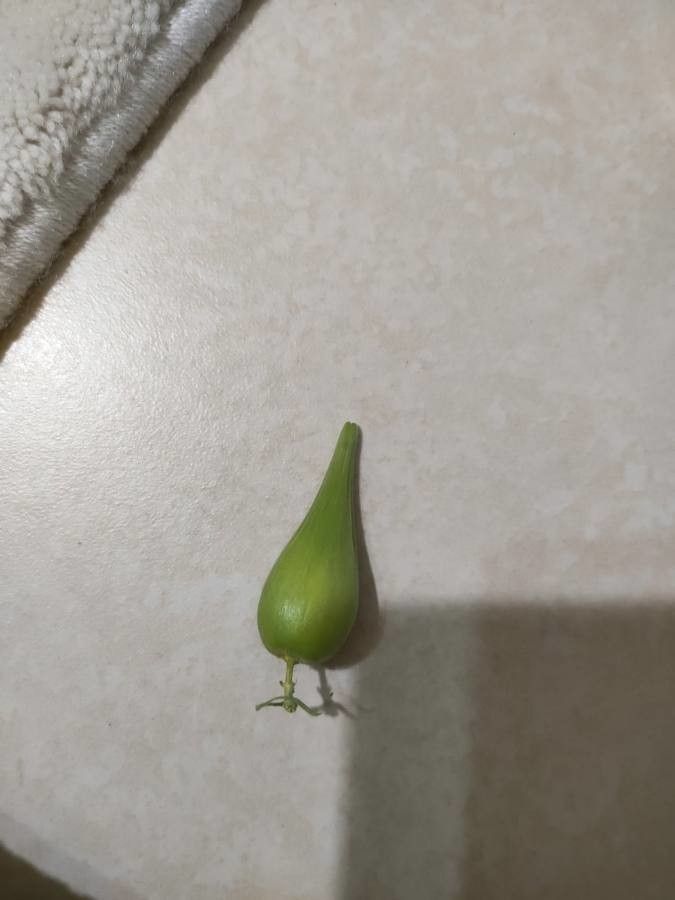
Vincetoxicum canescens, also known as pale swallow-wort, is a beautiful but invasive plant. Its delicate, pale pink flowers and intriguing seed pods might tempt you, but beware! This plant is a master of spreading, colonizing gardens and natural areas with incredible speed. While we don’t recommend planting it, understanding its propagation methods is crucial if you find this vigorous vine in your space.
Understanding the Enemy: Vincetoxicum Canescens’s Reproduction Strategies
Vincetoxicum canescens utilizes two primary modes of reproduction:
- Seeds: This plant produces thousands of tiny, wind-dispersed seeds that readily germinate. Even a single plant can unleash a swarm of seedlings, quickly establishing a new colony.
- Rhizomes: These underground stems spread aggressively, creating a dense network that can outcompete native plants. If even a small fragment of rhizome remains in the soil, it can sprout, forming a new plant.
The Challenge of Controlling Vincetoxicum Canescens
Eradicating this plant is a challenging endeavor, but here’s where understanding its propagation methods becomes essential:
- Prevention: The most effective way to combat Vincetoxicum canescens is to prevent it from establishing in the first place. If you discover it early, hand-pulling seedlings can be effective, especially if you can remove the entire root system.
- Chemical Control: Herbicides can be used to control this plant, but application timing is crucial. Early application during the flowering stage, followed by a second application later in the season, is often most effective.
- Biological Control: Studies are ongoing to explore using natural enemies like insects and diseases to control Vincetoxicum canescens.
Why Propagation Knowledge Matters: Dealing with Accidental Spread
While we don’t encourage growing this invasive plant, many gardeners might encounter it accidentally through contaminated soil, seeds carried by the wind, or even through compost purchased from an unreliable source.
If you’re battling Vincetoxicum canescens, knowledge of its propagation methods is vital:
- Prevent Further Spread: By understanding how the plant reproduces, you can take proactive steps to prevent its seeds from being released, like removing seed pods before they mature.
- Limit Rhizome Spread: Keep a close eye on areas where you’ve removed the plant for signs of new sprouts. Even small pieces of root can regenerate.
- Be Mindful of Disposal: Never compost Vincetoxicum canescens or discard plant debris in areas where it could easily spread.
Taking Action: Your Plan of Attack
Vincetoxicum canescens might be a formidable foe, but you can make a difference. Here’s a proactive approach:
- Identify: Learn to recognize the plant in all its stages, from its distinctive leaves to its seed pods.
- Monitor: Regularly check your garden and surrounding area for any signs of Vincetoxicum canescens.
- Control: Take immediate action to eliminate it. If the infestation is widespread, consider seeking professional help.
- Spread the Word: Inform other gardeners about this plant’s invasive nature.
By learning about its reproduction methods and implementing effective control measures, you can help prevent the spread of this invasive plant and protect our natural ecosystems. Remember, while Vincetoxicum canescens might be visually appealing, its invasive potential outweighs its beauty. Let’s work together to keep it at bay!