
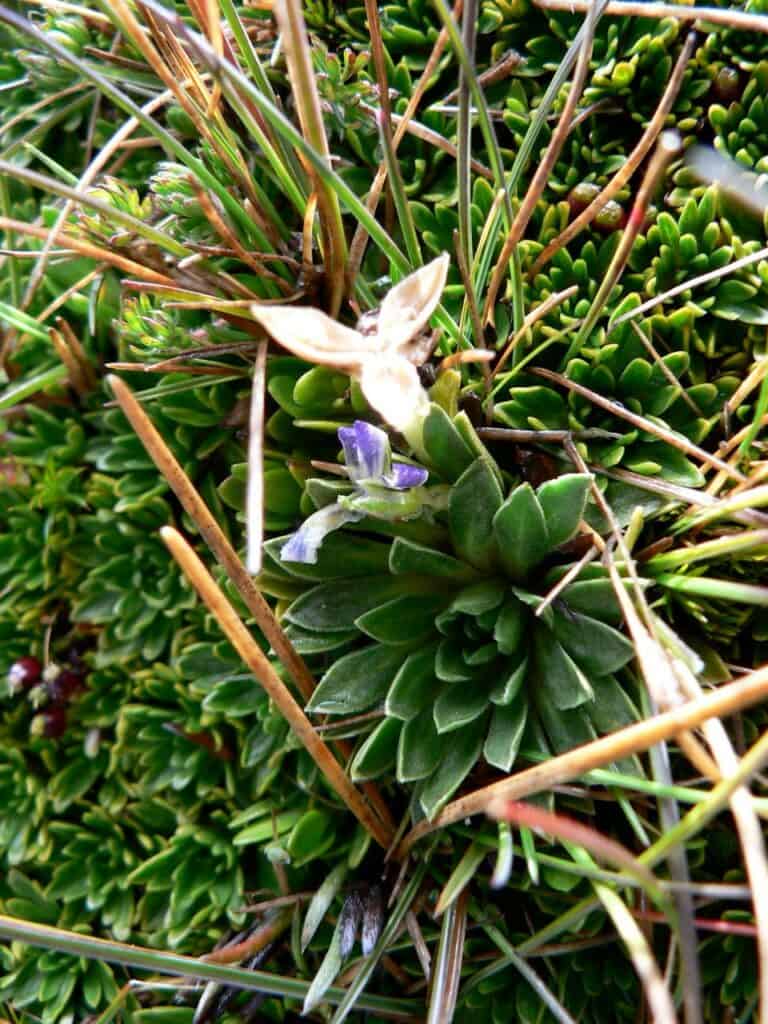
Unveiling the Secrets of Viola Bangii Propagation: A Guide to Multiplying This Alpine Treasure
Viola bangii, with its charming miniature blooms and resilient alpine nature, is a captivating addition to any rock garden or alpine trough. But finding this little treasure commercially can be a challenge. The good news? Propagating Viola bangii at home is achievable and rewarding, allowing you to expand your collection and share this botanical gem with fellow enthusiasts. Let’s delve into the secrets of propagating this alpine charmer.
Two Paths to Propagation: Seeds and Cuttings
Viola bangii offers two primary methods of propagation:
1. Sowing the Seeds of Success:
- Timing is Key: Collect ripe seed capsules in late summer or early fall. Look for capsules that have turned brown and are just beginning to split open. Sow the seeds fresh for optimal germination rates.
- Creating the Ideal Nursery: Use a well-draining seed starting mix or make your own with equal parts peat moss, perlite, and vermiculite. Surface sow the seeds and press them gently into the mix, as they need light to germinate.
- Patience is a Virtue: Germination can be slow and erratic, ranging from a few weeks to several months. Keep the seed trays consistently moist but not waterlogged, and provide cool temperatures (around 55-65°F).
2. The Art of Cuttings:
- Choosing the Right Moment: Take cuttings in late spring or early summer from healthy, non-flowering stems. Ideally, select stems that are about 2-3 inches long with at least two sets of leaves.
- Preparing the Cuttings: Using a sharp, clean knife or pair of scissors, make a clean cut just below a leaf node. Remove the lower leaves, leaving only one or two pairs at the top.
- Encouraging Root Development: Dip the cut end in rooting hormone (optional but beneficial) and plant the cuttings in a well-draining potting mix. Keep the medium consistently moist and provide indirect light.
- Nurturing New Growth: Roots typically develop within 4-6 weeks. Once you see new growth, gradually acclimate the cuttings to outdoor conditions before transplanting them to their permanent locations.
Transplanting and Beyond
Whether you’ve chosen the path of seeds or cuttings, once your Viola bangii offspring are established, it’s time to find them a permanent home.
- Selecting the Perfect Spot: These alpine beauties thrive in well-drained soil and prefer partial shade, especially during the hottest parts of the day.
- Providing Proper Drainage: To prevent root rot, ensure excellent drainage by amending heavy soils with grit or planting in raised beds or rock gardens.
- Watering Wisely: Viola bangii prefer consistently moist soil. However, avoid overwatering, as this can lead to root problems.
Reaping the Rewards
With a little patience and care, you’ll be rewarded with an enchanting display of Viola bangii, their delicate blooms adding a touch of alpine magic to your garden. Propagation not only allows you to expand your own collection but also provides an opportunity to share this special plant with friends and fellow gardening enthusiasts. So, gather your tools and embark on the rewarding journey of propagating Viola bangii – a true testament to the joy of nurturing life from seed to bloom.