
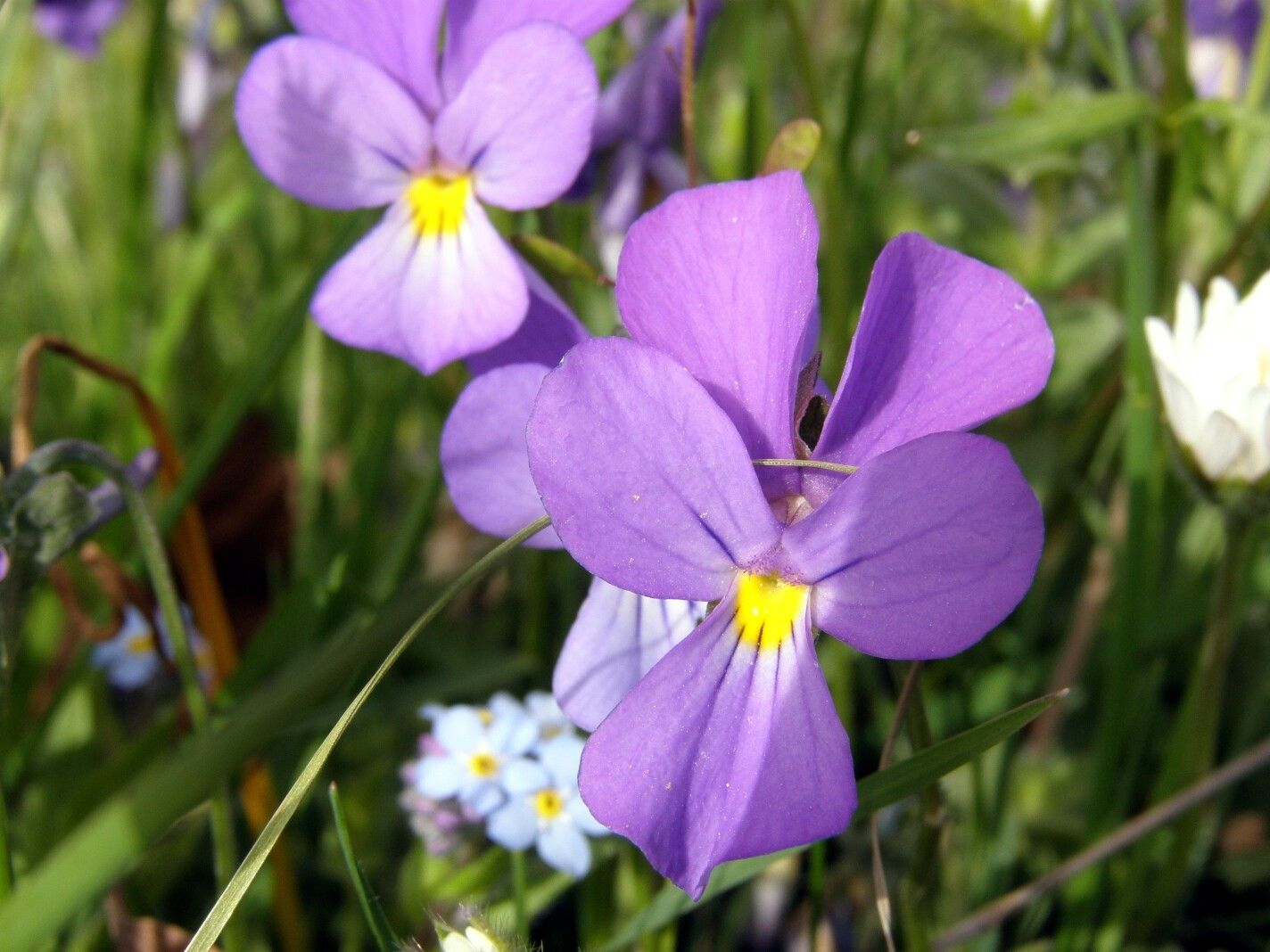
Unlocking the Secrets of Viola Epirota: A Propagation Primer
The delicate charm of Viola epirota, with its petite blooms and vibrant colors, is a welcome addition to any garden. This charming European wildflower, also known as the Albanian violet, thrives in rock gardens, borders, and alpine settings, gracing enthusiasts with a touch of whimsical beauty. While acquiring established plants is always an option, propagating your own Viola epirota unlocks a rewarding experience and ensures a thriving colony for years to come.
This comprehensive guide will delve into the intriguing world of Viola epirota propagation, equipping you with the knowledge and techniques to multiply your floral treasures.
Seed Propagation: Nurturing Life from Tiny Specks
Propagating Viola epirota from seed offers an exciting journey from germination to blooming marvels. Here’s how:
Seed Collection: As the flowering season wanes, Viola epirota produces small seed pods. Allow these pods to mature and dry on the plant, turning a light brown. Once fully dry, gently collect the pods and extract the tiny black seeds.
Sowing the Seeds: The ideal time to sow your seeds is in late fall or early winter. Choose a well-draining seed starting mix or a blend of peat moss and perlite. Scatter the seeds on the surface, pressing them lightly without burying them completely, as they require light to germinate.
Providing Optimal Conditions: Place your seed tray in a cool, sheltered location with indirect light. Keep the soil consistently moist but not waterlogged. Germination typically occurs within a few weeks, revealing a delightful sight of tiny seedlings.
- Transplanting: Once the seedlings develop a couple of true leaves, they are ready for transplantation. Choose individual pots or a well-prepared garden bed with well-draining soil. Handle the seedlings with care, gently transferring them to their new homes.
Division: Multiplying Your Floral Bounty
Division offers a straightforward method to propagate Viola epirota, ensuring mature plants from the start.
Timing is Key: Spring or early fall, when the plant is not actively flowering, is the best time for division.
Lifting and Dividing: Gently lift the entire plant from the ground, using a garden fork to minimize root disturbance. Carefully tease apart the root ball, separating it into smaller sections, each containing a healthy portion of roots and shoots.
- Replanting the Divisions: Transplant the divisions to their new locations, ensuring the crown of the plant sits level with the soil surface. Water thoroughly to settle the soil and provide essential moisture.
Caring for Your Propagated Viola Epirota
Regardless of your chosen propagation method, providing optimal care is essential for thriving Viola epirota:
Sunlight: While these beauties tolerate partial shade, they flourish in locations with morning sun and afternoon shade.
Watering: Viola epirota prefers consistently moist soil, but overwatering can lead to root rot. Water deeply but infrequently, allowing the soil to dry slightly between waterings.
Soil: Well-draining soil is crucial. Amend heavy clay soils with organic matter to improve drainage.
- Fertilization: These charming plants are not heavy feeders. A light application of balanced fertilizer in spring is sufficient.
Propagating Viola epirota, whether from seed or division, allows you to expand your collection and fosters a deeper connection with these enchanting blooms. With patience and care, you can create a vibrant tapestry of Viola epirota, adding a touch of magic and allure to your garden year after year.