
The Mysteriously Miniature Mistletoe: Propagating Viscum minimum
Mistletoe, with its evergreen leaves and pearly berries, evokes images of holiday cheer and romantic encounters under its boughs. But did you know there’s a fascinating miniature mistletoe that thrives not on tree branches, but within them? Enter Viscum minimum, a truly unique parasitic plant pushing the boundaries of propagation.
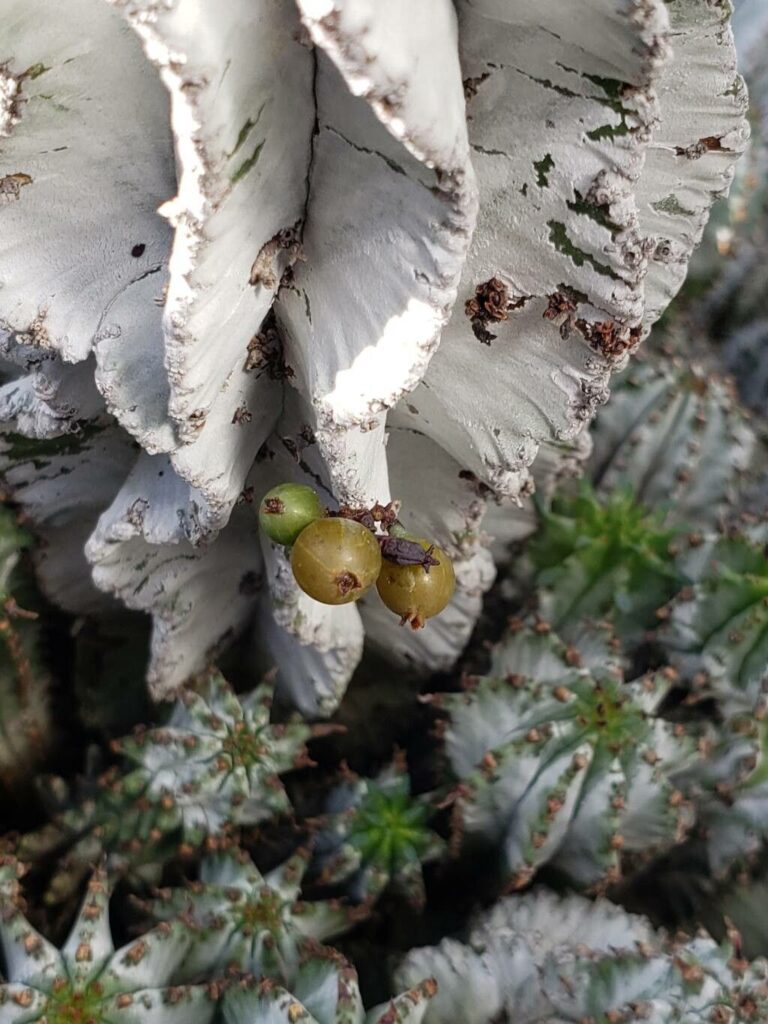
Unlike its more famous cousin, the European mistletoe (Viscum album), Viscum minimum is no festive decoration. This peculiar species, endemic to South Africa, lives its entire life cycle completely embedded within the tissues of its host, the equally intriguing succulent genus Euphorbia. Only its tiny, almost inconspicuous flowers emerge from the host’s stems, making it a true botanical curiosity.
Propagating Viscum minimum presents a captivating challenge, as traditional methods like cuttings or seed sowing simply won’t do. The propagation process relies on a delicate dance between parasite and host, demanding a nuanced approach and a generous dose of patience. Here’s a peek into this fascinating world:
1. The Seeds of Symbiosis:
The journey begins with the tiny, sticky seeds of Viscum minimum. These seeds, often dispersed by birds, need to land on a compatible Euphorbia species to have any chance of survival. The host plant’s health, age, and even the specific location on the stem where the seed lands play critical roles in successful germination.
2. A Subterranean Journey:
Once a seed successfully adheres to its host, it germinates and sends out a specialized root-like structure called a “haustorium.” This haustorium penetrates the host’s stem, tapping into its vascular system to draw nutrients and water. This parasitic relationship, while potentially detrimental to the host, is essential for the survival of Viscum minimum.
3. Patience is Key:
Unlike most plants that exhibit rapid growth, Viscum minimum develops at a glacial pace. It can take several years for the plant to establish itself fully within its host. During this time, vigilant monitoring is crucial to ensure the health of both the parasite and the host. Overwatering or inadequate sunlight can spell disaster for this delicate symbiotic relationship.
4. The Cycle Continues:
Viscum minimum generally flowers in the spring, producing small, inconspicuous blooms that eventually give way to sticky berries. These berries, much like their parent seed, harbor the potential for a new generation of this unusual mistletoe.
Challenges and Rewards:
Successfully propagating Viscum minimum is a testament to horticultural skill and patience. Maintaining the delicate balance between parasite and host requires meticulous care and attention.
However, the rewards are equally significant. Cultivating this botanical oddity offers a glimpse into the fascinating world of plant parasitism and the intricate relationships that define our natural world. The challenge itself, pushing the boundaries of conventional propagation, can be immensely rewarding for any plant enthusiast.
Beyond the Festive:
Viscum minimum might not grace our holiday doorways, but its unique biology and propagation challenges provide a captivating glimpse into the often overlooked wonders of the plant world. This miniature mistletoe reminds us that even within parasitic relationships, the potential for beauty and scientific discovery awaits those who dare to explore.