
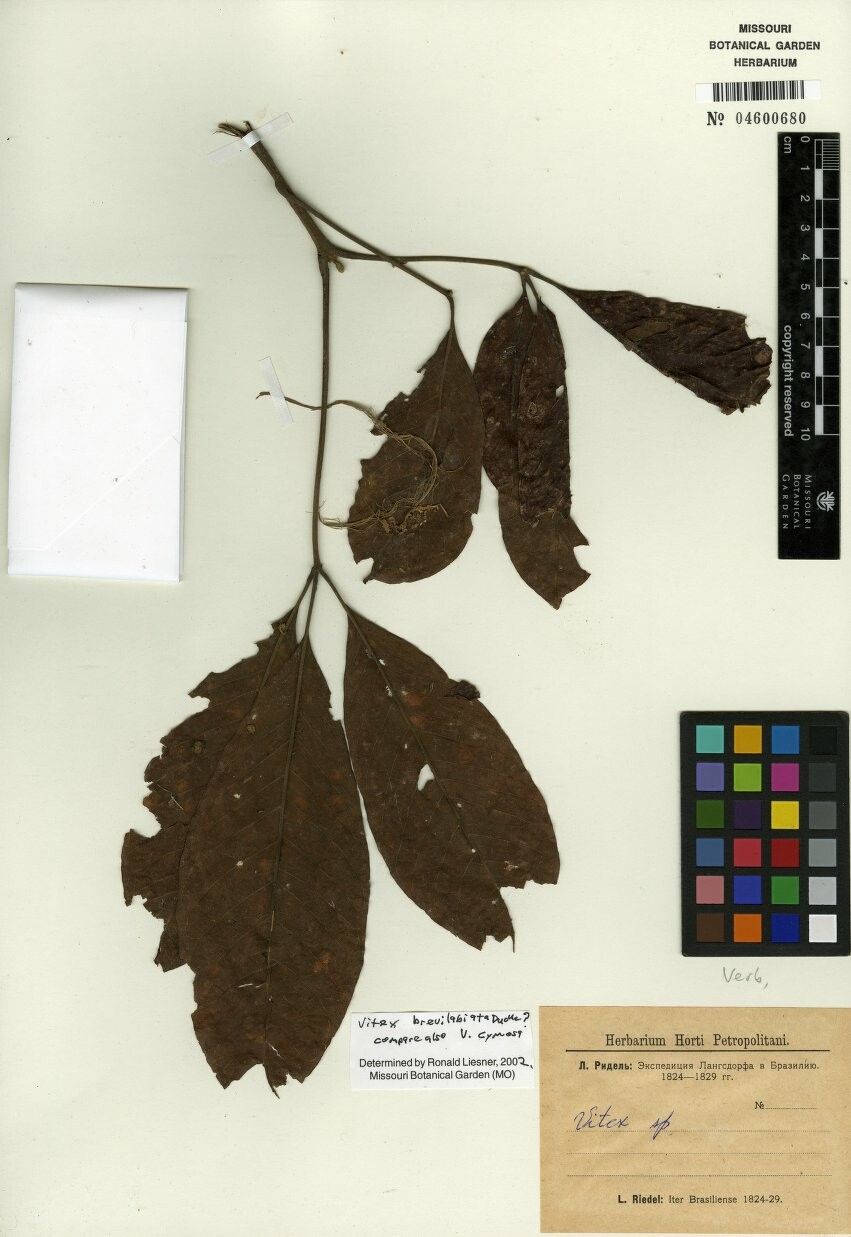
Unlocking the Secrets of Vitex brevilabiata Propagation: A Step-by-Step Guide
Vitex brevilabiata, also known as the “Hairy chaste tree” or the “Small-lipped chaste tree,” is a fascinating plant with stunning lavender flowers and a rich ethnobotanical history. Native to certain regions of Africa, this deciduous shrub captivates gardeners with its graceful beauty and resilience in warmer climates. While finding this particular Vitex variety in local nurseries might pose a challenge, propagating your own is a rewarding endeavor.
This guide delves into the secrets of successfully propagating Vitex brevilabiata, exploring two effective methods:
1. Propagating from Seed:
Seed Collection: Vitex brevilabiata produces small, dark brown seeds housed within its fruit. Collect mature, dry fruits directly from the plant. Remove seeds and store them in a cool, dry place until ready for sowing.
Sowing Time: For optimal germination, sow seeds indoors during late winter or early spring.
Soil Preparation: Use a well-draining seed starting mix. Pre-moisten the mix and fill seed trays or pots.
Sowing Depth: Gently press seeds into the surface of the soil, covering them lightly with about ¼ inch of the mix.
Warmth and Moisture: Place the seed tray in a warm, bright location, maintaining a consistent temperature between 70-75°F (21-24°C). Mist the soil regularly to keep it evenly moist but not waterlogged.
Germination: Patience is key. Vitex brevilabiata seeds can take several weeks or even months to germinate.
- Transplanting: Once seedlings develop a few sets of true leaves, transplant them into individual pots filled with well-draining potting mix.
2. Propagating from Cuttings:
Timing is Crucial: The ideal time to take cuttings is during the active growing season, late spring or early summer.
Selecting Cuttings: Choose healthy, non-flowering stems that are approximately 4-6 inches long. Make a clean cut just below a leaf node (where the leaf attaches to the stem).
Preparing the Cuttings: Remove the leaves from the lower two-thirds of the cutting.
Rooting Hormone (Optional): While not essential, dipping the cut end of the stem in rooting hormone powder can encourage faster root development.
Planting the Cuttings: Insert the cuttings into a pot filled with a well-draining rooting medium, such as a mixture of perlite and peat moss. Gently firm the medium around the base of the cutting.
Humidity Dome: Cover the pot with a clear plastic bag or a humidity dome to create a warm, humid environment. This helps to prevent the cuttings from drying out.
Light and Watering: Place the cuttings in a bright location, but out of direct sunlight. Keep the rooting medium consistently moist but not waterlogged.
Root Development: In approximately 4-8 weeks, cuttings should develop roots. You can gently tug on the cutting to check for resistance, a sign of successful rooting.
- Transplanting: Once rooted, transplant the cuttings into individual pots or directly into the garden once they are well-established.
Additional Tips:
- Be patient. Vitex brevilabiata propagation can take time.
- Ensure proper drainage to prevent root rot.
- Protect young plants from frost.
By following these methods, you’ll increase your chances of successfully propagating Vitex brevilabiata and enjoying the beauty of this unique plant in your own garden. Happy propagating!