
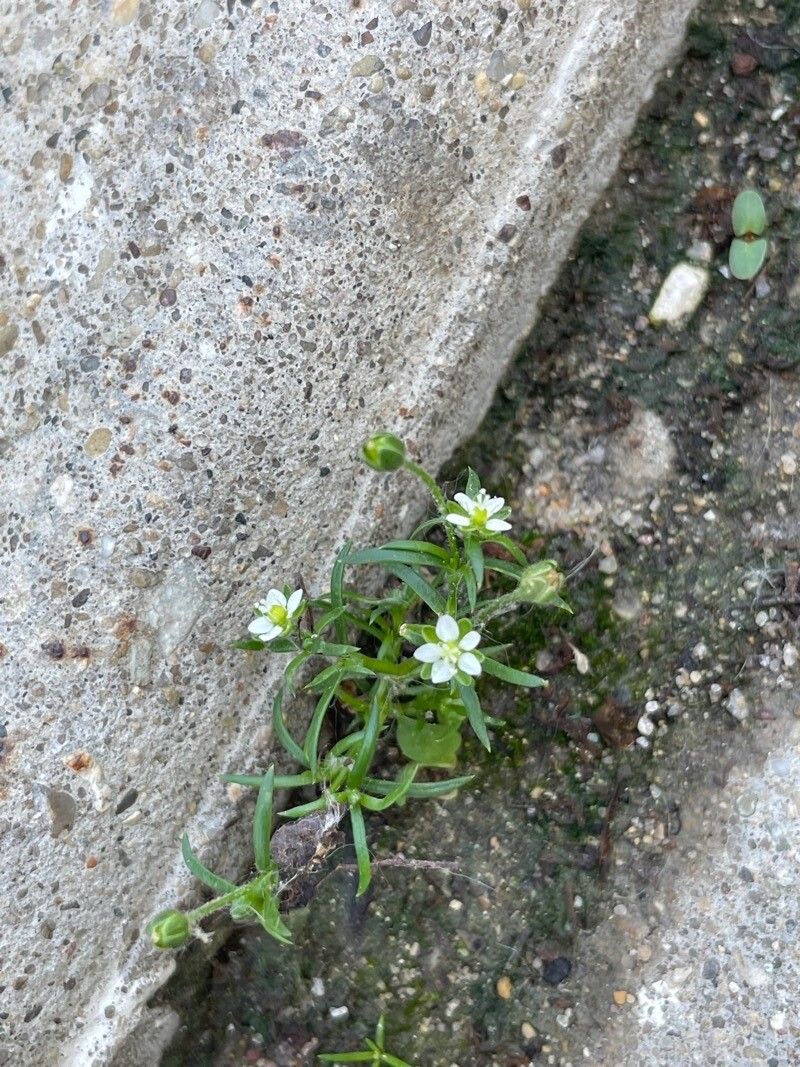
Unleashing the Green Carpet: Mastering Sagina Maxima Propagation
Sagina maxima, also known as Stickweed or Pacific Pearlwort, is a charming little groundcover known for its delicate, moss-like appearance and resilience. This unassuming hero of the plant world thrives in challenging conditions, forming a verdant carpet that smothers weeds and adds a touch of magic to gardens and landscapes.
If you’re enchanted by Sagina maxima and wish to spread its charm, propagation is your key. Fortunately, this hardy plant offers several methods for expanding its dominion. Let’s explore the most effective techniques to unleash the green carpet in your own backyard.
1. Seed Starting: A Journey of Patience and Reward
Starting Sagina maxima from seed is an economical way to obtain a large number of plants. While it requires a touch more patience than other methods, the satisfaction of nurturing life from a tiny seed is unmatched.
- Timing is Key: Sow seeds in late winter or early spring, either indoors or directly into the soil after the last frost.
- Creating the Perfect Nursery: Choose a well-draining seed starting mix and sprinkle the seeds on the surface. Gently press them in, but avoid burying them deeply as light aids in germination.
- Patience, Young Padawan: Keep the soil consistently moist and provide indirect sunlight. Germination typically takes 10-21 days.
- Transplanting Triumph: Once the seedlings develop a few sets of true leaves and are large enough to handle, they can be transplanted outdoors or into larger containers.
2. Division: Sharing is Caring (and Effective!)
For established clumps of Sagina maxima, division is the simplest and fastest way to generate new plants. This method involves digging up a portion of the mother plant and separating it into smaller sections.
- When to Divide: Spring or early fall, when the weather is cool and moist, is ideal for dividing your Sagina maxima.
- Dividing Like a Pro: Gently dig up a section of the plant, ensuring you retain a good root system. Carefully tease apart the plant into smaller clumps, each with roots and foliage.
- New Beginnings: Replant the divided sections at the same depth they were originally growing. Water them in thoroughly and watch them thrive.
3. Cuttings: Cloning Your Green Carpet
Taking stem cuttings is another viable method for propagating Sagina maxima, particularly if you want to replicate a specific plant or cultivar.
- Selecting the Prime Candidate: Choose healthy, non-flowering stems for cuttings.
- Making the Cut: Using sharp, clean shears or a knife, take a cutting about 2-3 inches long. Remove the lower leaves, leaving only a few at the top.
- Hormone Boost (Optional): While not strictly necessary, dipping the cut end in rooting hormone can encourage faster and more successful root development.
- Planting the Cuttings: Plant the cuttings in a well-draining potting mix or a mix of sand and perlite.
- Creating a Humid Oasis: Place the cuttings in a warm location with bright, indirect light. Covering the pot with a plastic bag or humidity dome can help retain moisture and encourage rooting.
- Transplanting Triumph: Once the cuttings have rooted, typically within a few weeks, they can be transplanted to their permanent location.
A Final Word:
Whether you choose the meticulous path of seed starting, the efficiency of division, or the cloning adventure of cuttings, propagating Sagina maxima is a rewarding endeavor. With a little patience and care, you can unleash the green carpet, transforming your garden into a tapestry of verdant beauty.