
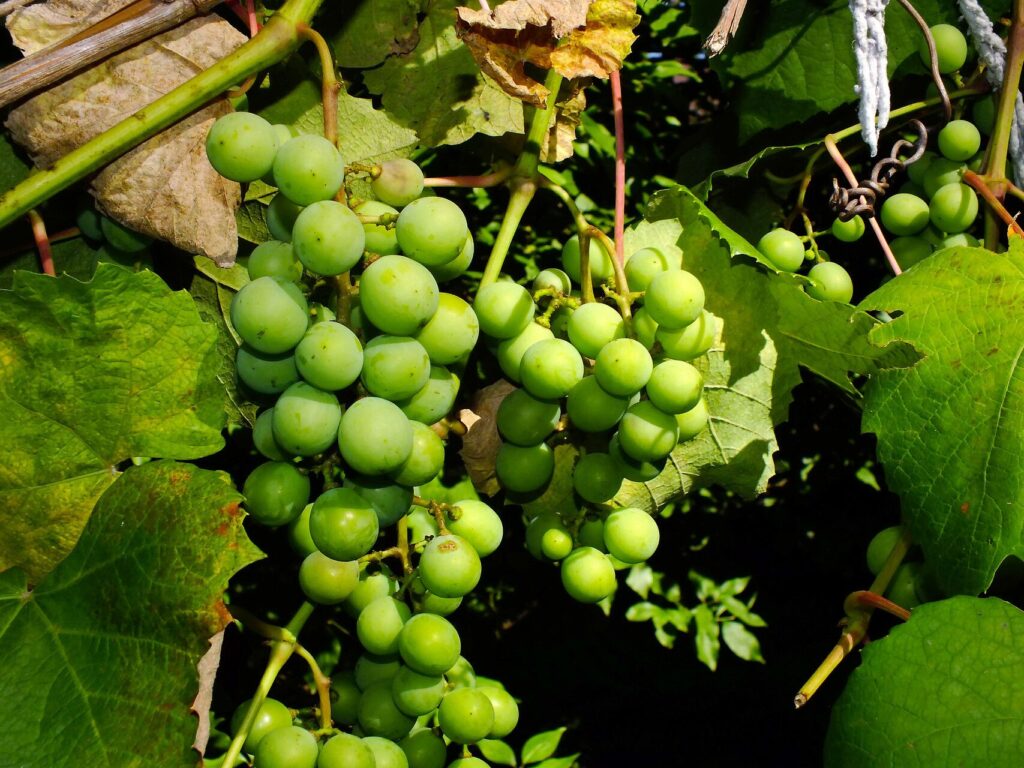
Beyond Grape Expectations: Mastering Vitis Labrusca Propagation
Vitis labrusca, more affectionately known as the fox grape, is a North American native with a wild side. Unlike its European cousin, Vitis vinifera, this species boasts cold hardiness and disease resistance, making it a favorite for home gardeners and vineyard owners alike. Ready to welcome the unique flavor of Concord grapes and their relatives into your life? Then let’s explore the rewarding world of Vitis labrusca propagation!
Cuttings: A Simple Path to Grapeful Bounty
Propagating from cuttings is the most common and efficient way to multiply your labrusca vines. Here’s how:
1. Timing is Everything: Late fall to early winter, when the vine is dormant, is ideal.
2. Select Your Weapon: Choose healthy, one-year-old canes – these are the brown, woody stems. Look for sections at least pencil-thick with at least two nodes (the bumps where leaves grow).
3. Cut it Right: Make a clean cut just below a node for the base of your cutting, and another about 6-8 inches above a node at the top.
4. Storage Matters: If not planting immediately, bundle cuttings, label them, and store in moist peat moss or sand in a cool, dark location (around 40°F).
5. Planting Time:
- Potting: In early spring, fill pots with well-draining potting mix. Plant your cuttings with the top node above the soil line. Keep the soil moist and place in a bright, indirect light.
- Direct Ground: Once the ground can be worked, plant cuttings directly in their permanent location, burying all but the top node.
Layering: Letting Nature Take Root
Layering is another straightforward method, particularly useful for filling gaps in existing rows.
1. Choose a Cane: In spring, select a healthy, flexible cane from the previous year’s growth.
2. Prepare the Trench: Dig a shallow trench (4-6 inches deep) near the mother plant.
3. Bury the Cane: Bend the selected cane gently and bury a section of it in the trench, ensuring a node is facing upwards. Secure it with a landscape staple or rock.
4. Water & Patience: Keep the buried section consistently moist. Roots should develop within a season.
5. Separation Anxiety: Once rooted, you can separate the new plant from the parent in late fall or early spring.
Beyond the Basics: Seeds and Grafting
-
Seed Propagation: While possible, growing from seed is less predictable for Vitis labrusca. Seedlings may not exhibit the same characteristics as the parent plant.
- Grafting: This advanced technique involves joining a labrusca cutting to a rootstock from a different variety. It’s often used to combine desirable traits like disease resistance and specific fruit characteristics.
A Few Grape Expectations!
- Vitis labrusca thrives in well-drained soil with a slightly acidic pH (6.0-6.5).
- Provide ample sunlight — at least 6 hours daily.
- Be prepared to offer support; these vigorous vines love to climb!
With a bit of practice and patience, you’ll be enjoying the fruits—or rather, grapes—of your labor in no time. Happy propagating!