
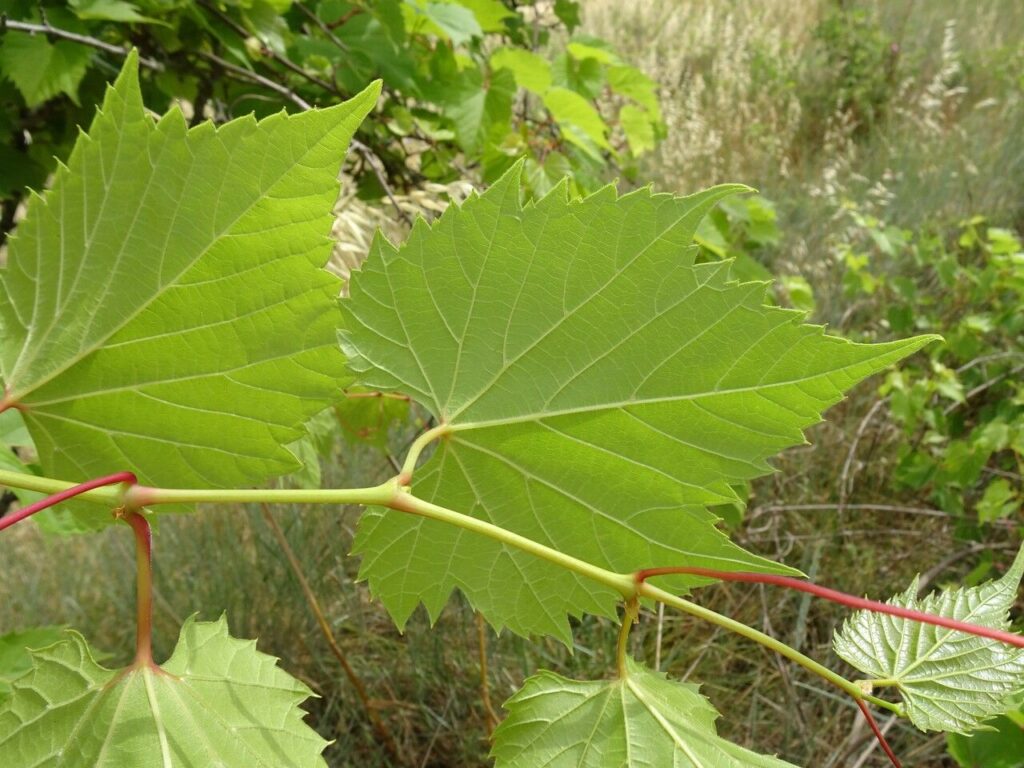
Unleash the Riverbank Grape: Mastering Vitis Riparia Propagation
The Vitis riparia, also known as the riverbank grape or frost grape, is a vigorous, climbing vine native to North America. Beyond its captivating beauty, this grape species is coveted for its cold hardiness, disease resistance, and potential for winemaking. Whether you’re a seasoned gardener or a curious beginner, propagating your own Vitis riparia is a rewarding experience that connects you to the wonders of nature.
This comprehensive guide delves into the exciting world of Vitis riparia propagation, equipping you with the knowledge and confidence to grow your own thriving vines.
Two Paths to Grapevine Glory: Seed vs. Cutting
Vitis riparia offers two primary methods of propagation:
1. Seed Propagation: An adventure in diversity!
- The Process: Collect ripe berries in the fall, clean the seeds, and store them in a cool, dry place. In late winter, sow the seeds in a seed-starting mix, keeping them consistently moist. Be patient, germination can take several weeks.
- Pros: Seed propagation allows for genetic diversity, potentially leading to unique characteristics in the offspring.
- Cons: Seed-grown vines may not exhibit the exact traits of the parent plant. They also require a longer time to fruit (3-5 years).
2. Cutting Propagation: A shortcut to success!
- The Process: In late winter or early spring, take hardwood cuttings from dormant, healthy vines. Each cutting should be 6-10 inches long with at least 3 buds. Dip the cut end in rooting hormone and plant them in a moist, well-draining potting mix.
- Pros: Cuttings ensure genetic fidelity to the parent plant, inheriting its desirable traits. They also mature and fruit faster (2-3 years).
- Cons: Requires access to an existing, healthy Vitis riparia vine for cuttings.
Nurturing New Beginnings: Caring for your Vitis Riparia
Light: Vitis riparia thrives in full sun (at least 6 hours per day) for optimal growth and fruit production.
Soil: Plant your vines in well-draining soil with a slightly acidic to neutral pH. Incorporating organic matter like compost improves drainage and fertility.
Water: Consistent moisture is crucial, especially during the first year. Water deeply but avoid overwatering, which can lead to root rot.
Support: Provide sturdy support structures like trellises or arbors for your vines to climb as they grow.
Pest and Disease Control: Vitis riparia is naturally resistant to many pests and diseases. However, be vigilant and address any issues promptly with organic or chemical treatments if necessary.
Beyond Propagation: Embracing the Bounty
Propagating Vitis riparia is just the beginning! These hardy vines reward your efforts with lush foliage and an abundance of small, tart grapes in late summer. While delicious fresh off the vine, the grapes are primarily used for:
- Winemaking: Vitis riparia is renowned for its contribution to cold-hardy wine grape hybrids, adding complex flavors and disease resistance.
- Jams and Jellies: The tart, tangy flavor of the grapes shines in homemade preserves.
Propagating Vitis riparia offers a fulfilling journey filled with learning and connection to the natural world. So, roll up your sleeves, choose your propagation method, and get ready to witness the remarkable life cycle of this resilient and rewarding grapevine.