
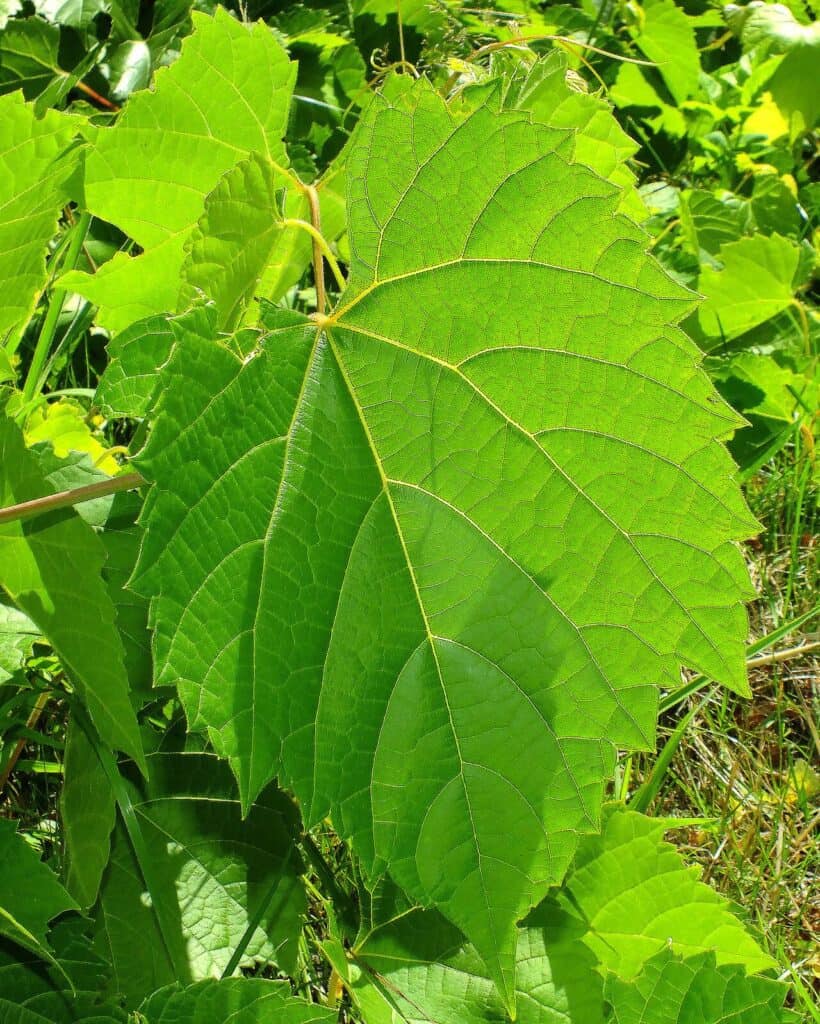
Taming the Wild Grape: A Guide to Propagating Vitis Vulpina
The Vitis vulpina, more commonly known as the frost grape, is a fascinating and vigorous vine native to North America. Prized for its beautiful fall foliage and the tart grapes that lend themselves well to jams and jellies (and even wine!), this wild grape has captured the attention of many gardeners. However, finding frost grape cultivars in garden centers can be a challenge. The solution? Propagation! Let’s explore the different methods you can use to bring the beauty of the frost grape to your backyard.
Method 1: Seeds of Surprise
The most common – and arguably adventurous – way to propagate Vitis vulpina is through seeds. Why adventurous? Because the resulting plants can be genetically diverse, offering a surprise blend of characteristics from their parent vines. Here’s how to do it:
- Harvest: Collect ripe grapes in the fall and extract the seeds. Rinse them thoroughly to remove any fruit pulp.
- Stratification: Frost grape seeds need a period of cold dormancy to germinate. Mix them with a bit of damp sand or peat moss and store them in the refrigerator (around 40°F) for at least two months.
- Sowing: In spring, sow the stratified seeds in seed trays filled with a well-draining seed starting mix. Plant them about ¼ inch deep and keep the soil consistently moist.
- Transplanting: Once the seedlings have several sets of true leaves and the danger of frost has passed, harden them off and transplant them to a prepared garden bed or individual pots.
Method 2: Cuttings for Clonal Success
If you want to replicate the characteristics of a specific Vitis vulpina vine, taking hardwood cuttings is the way to go. This method ensures you’re getting an exact replica of the parent plant. Here’s the breakdown:
- Timing is Key: Late fall or early winter, when the vine is dormant, is the ideal time to collect hardwood cuttings.
- Selecting & Preparing Cuttings: Look for healthy, one-year-old stems. Each cutting should be about 6-10 inches long and contain several buds. Make a cut just below a bud at the base and another cut above a bud at the top.
- Hormone Boost: While not strictly necessary, dipping the base of the cuttings in rooting hormone can increase the chances of successful rooting.
- Planting the Cuttings: Insert the cuttings into a pot filled with a mix of perlite and peat moss, burying at least two buds deep. Keep the medium consistently moist.
- Patience is a Virtue: It may take several weeks or even months for the cuttings to develop roots. Once they show signs of new growth, you can transplant them to larger containers or directly into the ground.
Caring for Your New Vitis Vulpina
Regardless of the propagation method you choose, young Vitis vulpina vines need some TLC to thrive:
- Sunlight and Soil: Choose a location that receives at least six hours of sunlight and has well-drained soil.
- Support System: These vines are climbers! Provide sturdy support like a trellis, arbor, or fence for them to cling to.
- Regular Watering: Water deeply and regularly, especially during the first year after planting. Mulching around the base can help retain moisture.
- Pruning for Shape and Vigor: Prune annually in late winter or early spring to remove dead or diseased wood and to shape the vine.
Propagating your own Vitis vulpina might require a little patience, but the rewards are worth it. With a bit of care and attention, you can enjoy the beauty of this North American native vine and reap the bounty of its delicious grapes for years to come.