
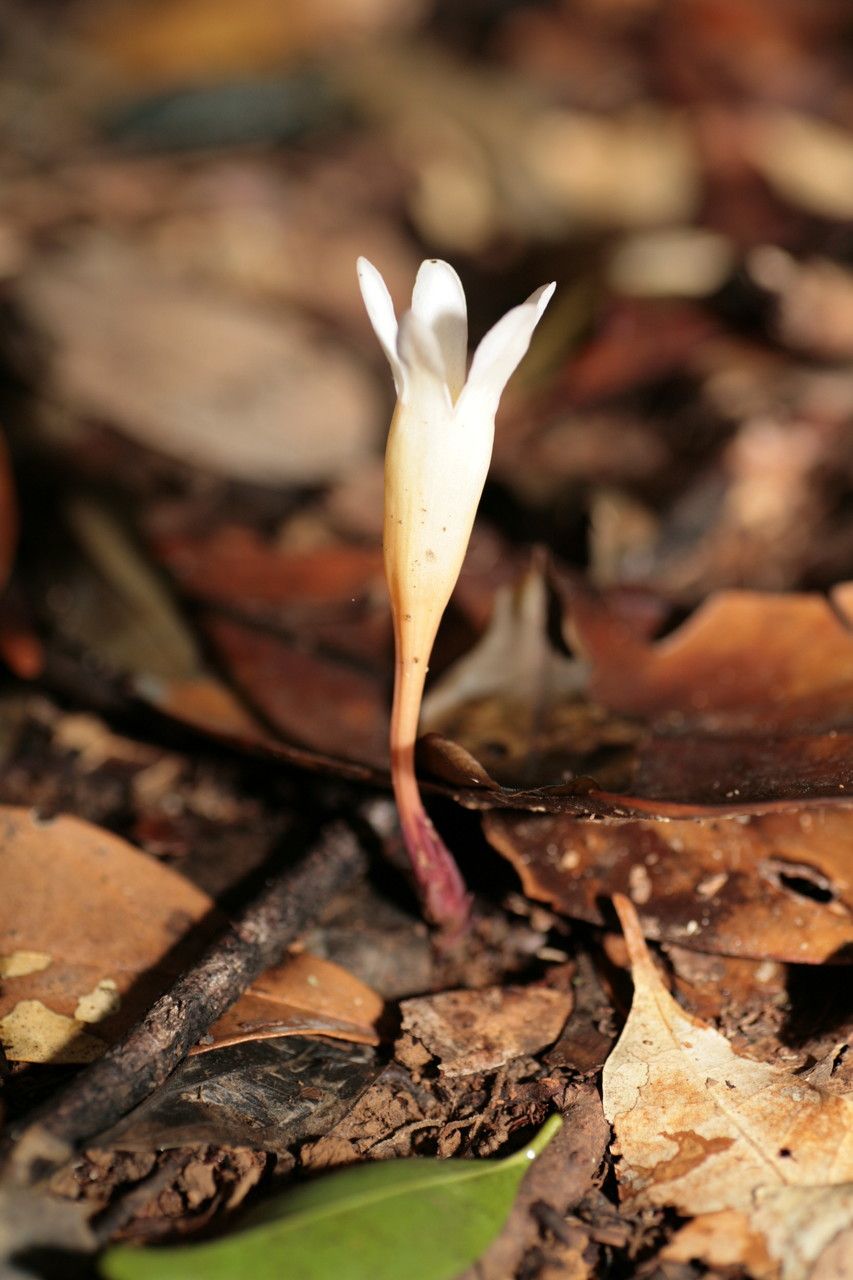
Unlocking the Secrets: Propagating the Enigmatic Ghost Plant (Voyria clavata)
The plant kingdom is teeming with fascinating specimens, but few are as captivating and mysterious as the Ghost Plant, scientifically known as Voyria clavata. This ethereal beauty, devoid of chlorophyll and adorned with ghostly white or yellowish flowers, captivates the eye while simultaneously raising intriguing questions about its survival strategies. In this blog post, we delve into the fascinating, albeit challenging, world of Voyria clavata propagation, unlocking the secrets to potentially cultivating this enigmatic plant.
Understanding the Ghostly Nature:
Before venturing into propagation techniques, it’s crucial to understand the unique nature of Voyria clavata. This fascinating plant belongs to the Gentianaceae family and is classified as a mycoheterotroph, meaning it obtains nutrients through a symbiotic relationship with fungi present in the soil. Unlike most plants, Voyria clavata lacks chlorophyll and therefore cannot produce its own food through photosynthesis. This reliance on a complex and invisible network of fungal partners makes its propagation a complex endeavor, rarely achieved outside its natural habitat.
The Challenge of Propagation:
Propagating Voyria clavata is considered extremely difficult and is seldom attempted even by experienced botanists. Its survival is intricately linked to the presence of specific fungal species found in its natural environment, typically in undisturbed tropical forests. Replicating this delicate balance in a controlled setting presents a significant challenge.
Exploring Potential Propagation Methods:
Despite the challenges, dedicated plant enthusiasts may find the following propagation methods worth exploring:
Seed Germination: Voyria clavata produces tiny seeds that are dispersed by wind. The key to successful germination lies in replicating the specific conditions of the forest floor, including the presence of appropriate mycorrhizal fungi. Soaking the seeds in a solution containing spores from compatible fungi and sowing them in a substrate mimicking the forest soil composition might encourage germination. However, success rates remain extremely low.
- Division: While not documented in scientific literature, theoretically, if a clump of Voyria clavata is large enough, it might be possible to carefully divide it, ensuring each section retains a portion of the root system intricately connected to the essential mycorrhizal fungi. This method is highly speculative and requires extreme caution to avoid harming the parent plant and the delicate fungal network.
Ethical Considerations:
Due to the rarity and ecological sensitivity of Voyria clavata, collecting plants or seeds from the wild is strongly discouraged. Ethical propagation relies on obtaining seeds or plant material from reputable sources that specialize in cultivating rare and endangered species.
The Allure of the Unknown:
While propagating Voyria clavata presents significant challenges, the allure of cultivating this enigmatic plant continues to intrigue passionate botanists and plant enthusiasts. As we delve deeper into understanding the intricate relationship between Voyria clavata and its fungal partners, new and innovative propagation techniques may emerge. Until then, observing this ghostly beauty in its natural habitat remains the most ethical and fulfilling way to appreciate its captivating presence.