
Propagating Voyria spruceana: A Challenge for the Passionate Gardener
Introduction:
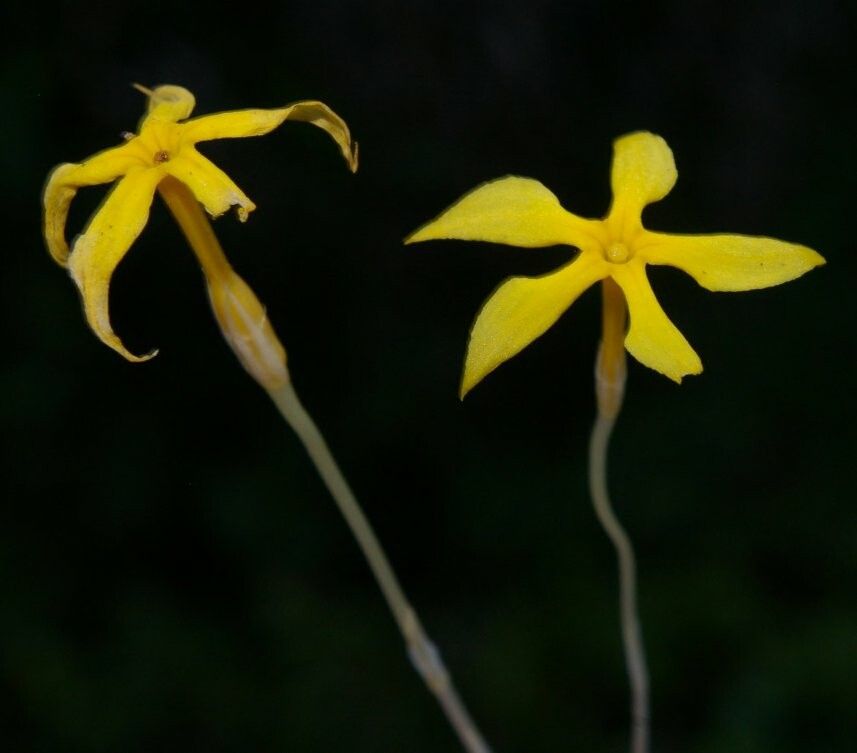
Voyria spruceana, also known as the ghost plant, is a fascinating, myco-heterotrophic herb belonging to the Gentianaceae family. Unlike most plants, it lacks chlorophyll and derives its nutrients from symbiotic fungi rather than photosynthesis. This results in its striking appearance: pale, almost translucent white stems and delicate, scale-like leaves. Its ethereal beauty makes it a highly sought-after plant among specialist gardeners, though its unique biology presents significant challenges for propagation. The rarity of Voyria spruceana in cultivation further enhances its allure and makes successful propagation a considerable achievement.
Seed Germination:
Currently, there are no known reliable methods for seed germination propagation of Voyria spruceana. The plant’s myco-heterotrophic nature means its seeds require a specific fungal partner for successful germination and establishment. Identifying and cultivating this specific fungal symbiont remains a significant hurdle. Further research is needed into the mycorrhizal associations of this species to even begin exploring seed germination techniques.
Cuttings:
Currently, there are no known reliable methods for propagation of Voyria spruceana using cuttings. The plant’s lack of chlorophyll and its dependence on its fungal partner for survival make the success of cutting propagation extremely unlikely. Cuttings would likely lack the necessary fungal connection to survive.
Division:
Division is also not a viable propagation method for Voyria spruceana. This plant forms delicate, shallow root systems intricately linked with its fungal network. Attempting to divide the plant would severely damage both the plant and the crucial fungal symbiosis, leading to almost certain failure.
Tissue Culture:
Tissue culture might offer a potential pathway for Voyria spruceana propagation, although it remains largely unexplored. The challenges are numerous. Establishing a sterile culture that mimics the plant’s natural mycorrhizal associations would be incredibly complex. The specific nutritional requirements, including the precise fungal species and its cultivation alongside the plant tissue, need to be identified. Success would require advanced tissue culture expertise and extensive research on the plant’s symbiotic relationships. Even with all this, there’s no guarantee of success.
Conclusion:
Propagating Voyria spruceana presents a formidable challenge for even the most experienced horticulturalists. All conventional methods – seed germination, cuttings, and division – are currently considered infeasible due to the plant’s unique biology and dependence on its fungal partner. Tissue culture potentially holds the most promise, but requires extensive research and technical expertise. However, the rewards for success are immense. Successfully cultivating this elusive species would be a significant contribution to botanical knowledge and a testament to perseverance and horticultural skill. The extraordinary beauty and rarity of Voyria spruceana make the effort worthwhile for the passionate gardener willing to embrace the considerable challenge. While the road to success remains arduous, the journey itself, with its learning, experimentation, and possible breakthroughs, is a rewarding one for those dedicated to cultivating this botanical enigma.