
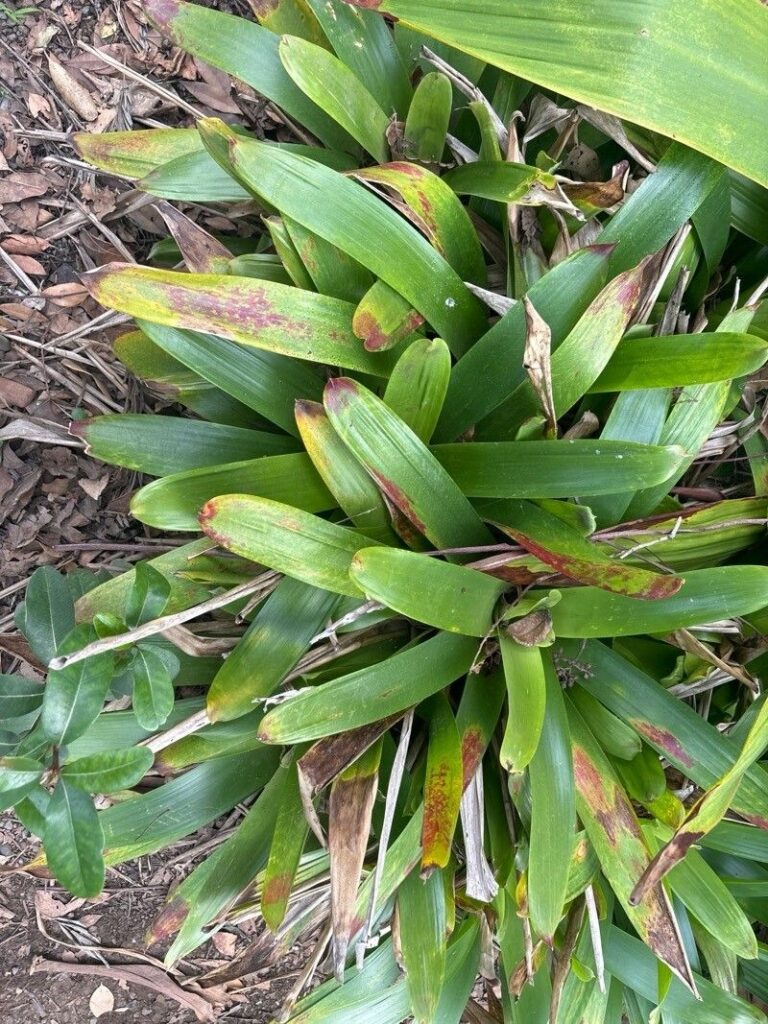
Unlock the Secrets to Propagating the Striking Vriesea philippocoburgi
The Vriesea philippocoburgi, with its dramatic, sword-like leaves and vibrant orange bracts, is a stunning addition to any indoor jungle. But what if you could multiply this beauty and share it with friends or grow a whole collection of these striking plants? That’s where propagation comes in!
While Vriesea philippocoburgi doesn’t offer the traditional methods of propagation like seeds or cuttings, its unique, epiphytic nature lends itself to a fascinating process: pup formation.
Understanding the Nature of the Plant
Vriesea philippocoburgi, like other members of the Bromeliad family, is epiphytic. This means they grow on other plants, like trees, for support and access to sunlight. They don’t draw nutrients from their host, instead sourcing them from the air and rainwater.
Pup Formation: The Key to Multiplicity
After flowering, Vriesea philippocoburgi produces offsets or “pups” at the base of the plant. These miniature versions of the parent plant are genetically identical and ready to be nurtured into independent beauties.
How to Propagate Your Vriesea philippocoburgi
- Patience is Key: The pup formation process can take several months. Be patient and observe your plant closely.
- The Perfect Time: Once the pup has developed at least a third of the size of the parent plant, it’s ready to be separated. Look for signs of healthy roots emerging from the base of the pup.
- Gentle Separation: Carefully remove the pup from the parent plant, ensuring you don’t damage the developing roots. Use a sharp, clean knife or pruning shears to cut through the connecting tissue.
- Post-Separation Care: Allow the pup to dry for a few days in a shady location to callus the cut. This helps prevent rot during the rooting process.
- Planting the Pup: Fill a pot slightly smaller than the pup’s size with a well-draining potting mix designed for epiphytic plants. Position the pup in the center and gently firm the soil around the base.
- Moist but Aerated: Keep the soil consistently moist, but not waterlogged. Ensure good aeration with a well-draining potting mix.
- The Right Environment: The pup will thrive in bright, indirect light, avoiding direct sunlight that can scorch the leaves. Ensure warmth and high humidity by misting or placing the pot on a tray of pebbles filled with water.
Troubleshooting and Common Issues
- Rot: Overwatering is the main culprit for pup rot. Ensure the soil drains freely and avoid soggy conditions.
- Stunted Growth: Inadequate light or nutrients can hinder pup growth. Provide optimal light conditions and supplement with a balanced fertilizer specifically designed for Bromeliads.
Enjoying Your Propagated Vriesea philippocoburgi
With the right care and attention, your pups will develop into vibrant, healthy Vriesea philippocoburgi plants, expanding your collection or providing fantastic gifts for fellow plant enthusiasts. Enjoy the satisfaction of nurturing new life and experiencing the stunning transformation of these unique beauties!