
From One Palm to Many: Propagating the Majestic Washingtonia Filifera
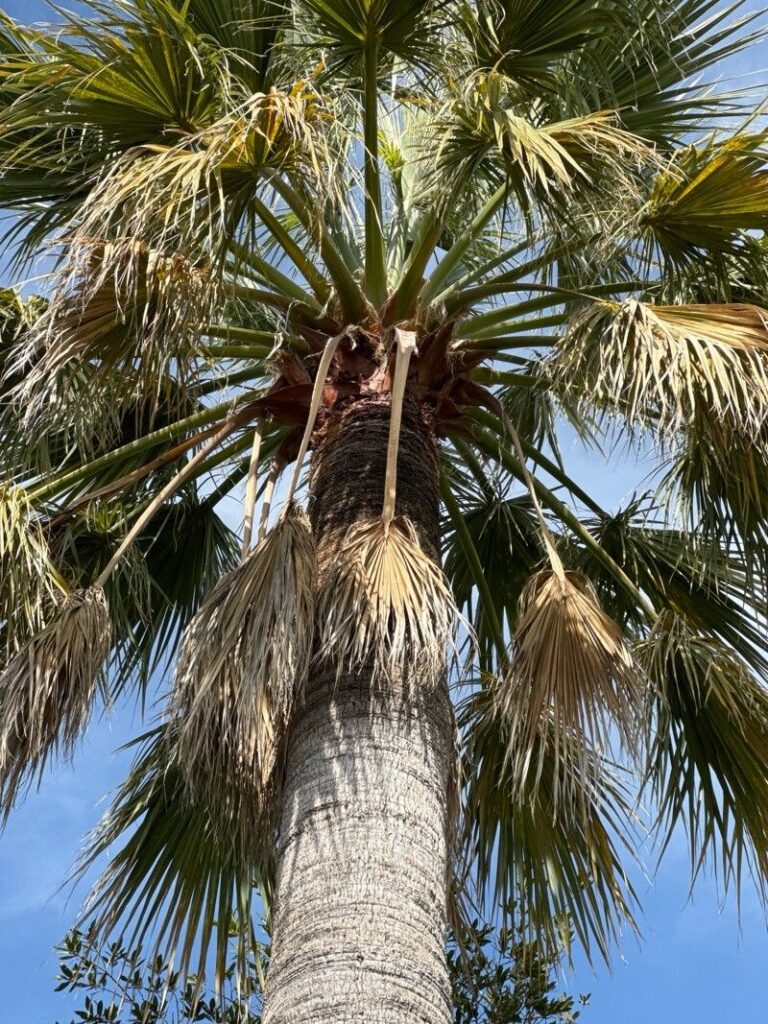
The Washingtonia filifera, or California Fan Palm, is a majestic sight. Its towering trunk, reaching over 100 feet in height, is crowned with gracefully fanned leaves adorned with drooping threads – a unique feature that grants it the name “filifera.” These magnificent palms are a natural favorite for landscaping, adding an air of the tropics to any space. But did you know that you can easily propagate your own Washingtonia filifera from seed?
The Magic of Seed Propagation
Propagating your Washingtonia filifera from seed is a rewarding and relatively straightforward process. It offers the chance not just to grow new trees, but to contribute to the preservation of this magnificent species.
Here’s how you can do it:
Step 1: Harvesting Seeds
- Locate mature fruits: Look for clusters of dark, brown, spherical fruits hanging from the palm tree. They should be quite hard and somewhat wrinkly.
- Prepare your harvest: Use a net or a cloth to catch the fruit as you shake the branch. This will prevent the seeds from scattering all over the ground.
- Extract the seeds: Remove the fleshy pulp surrounding the seeds. You can do this manually or by soaking them in water for a couple of days until the pulp softens.
Step 2: Preparation and Sowing
- Clean the seeds: After removing the pulp, thoroughly wash the seeds to ensure they are free of debris.
- Scarification: While not strictly necessary, scarifying the seeds helps with germination. This involves lightly nicking the seed coat with a sharp knife or sandpaper to help with water penetration.
- Choose your medium: Use a well-draining potting mix specifically designed for seeds.
- Sowing: Plant the seeds about 1 inch deep in your chosen medium.
- Watering: Keep the soil consistently moist, but not waterlogged.
Step 3: Germination and Growth
- Patience: Washingtonia filifera seeds can take anywhere from a few weeks to a few months to germinate. Keep the soil warm and moist.
- Light: Once seedlings emerge, provide them with bright, indirect light. However, avoid direct sunlight during the hottest part of the day.
- Repotting: As the young seedlings grow, you may need to repot them into larger containers to accommodate their roots.
- Protection: Keep your young Washingtonia filifera protected from frost and cold temperatures.
Step 4: Planting and Care
- Choosing a location: Once your seedlings reach a suitable size (a few feet tall), you can plant them outdoors. Choose a location with full sun and well-draining soil.
- Watering: Water deeply and regularly, especially during the hot, dry months.
- Fertilizer: Feed your palms with a balanced liquid fertilizer every few months during the growing season.
- Maintenance: Regularly prune any dead or damaged leaves.
Tips for Success:
- Fresh seeds: For the best germination rate, use seeds that have been harvested within the past year.
- Temperature: The optimum temperature for germination is around 75°F.
- Humidity: Maintaining a slightly higher humidity can help to promote germination.
- Patience: It takes time for Washingtonia filifera to grow into their majestic form. Enjoy the journey and celebrate the progress!
More Than Just Beautiful
Growing your own Washingtonia filifera from seed is a rewarding and environmentally-conscious choice. By propagating these magnificent palms, you contribute to their survival and add a touch of tropical beauty to your landscape. Enjoy the journey of cultivation, and admire the majestic beauty of these iconic trees.