
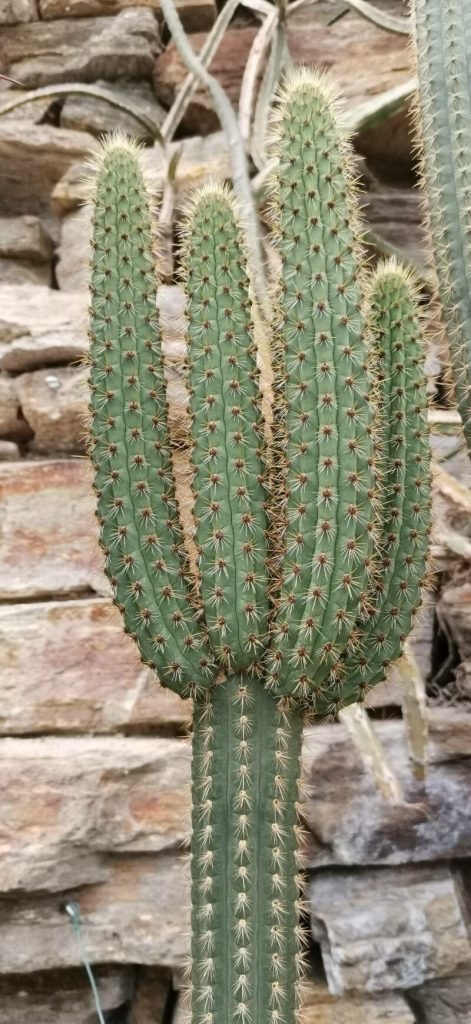
Propagating the Peruvian Old Man Cactus (Weberbauerocereus weberbaueri): A Gardener’s Guide
Introduction:
Weberbauerocereus weberbaueri, also known as the Peruvian Old Man Cactus, is a captivating columnar cactus native to the arid regions of Peru. Its striking appearance, characterized by a grey-green body adorned with long, white hairs resembling an old man’s beard, makes it a highly sought-after plant among cactus enthusiasts. Successfully propagating this slow-growing beauty, however, presents several challenges, making the achievement especially rewarding. Its unique propagation requirements stem from its slow growth rate and specific environmental needs.
Seed Germination:
Seed germination of Weberbauerocereus weberbaueri is viable, but presents significant challenges. The seeds are notoriously slow to germinate and require precise conditions.
Challenges: Low germination rates are common. Seeds often require a period of stratification (a cold, moist period mimicking winter conditions) to break dormancy. Fungal infections are also a significant threat to seedlings.
Practical Tips: Sow seeds in a well-draining cactus and succulent potting mix, barely covering them with fine grit. Maintain a consistently warm temperature (around 70-75°F / 21-24°C) and high humidity (using a humidity dome, for example) during germination. Stratification for 2-3 months at 35-40°F (2-4°C) before sowing can significantly improve germination success. Use a fungicide as a preventative measure. Maintain consistent moisture, but avoid overwatering.
Rewards: Successfully germinating seeds offers the potential for greater genetic diversity compared to vegetative propagation methods. It allows for the large-scale propagation of this species, though it may require significant patience and multiple attempts for satisfactory results.
Cuttings:
Propagation via cuttings is a viable method for Weberbauerocereus weberbaueri.
Challenges: The thick stem of the plant can be challenging to root. Rot is a major risk if cuttings are not properly prepared and allowed to callous before planting. Slow rooting time is also a factor.
Practical Tips: Use a sharp, sterile knife or blade to take stem cuttings, ensuring a clean cut. Allow the cut end to callous over for several days to a week before planting in a well-draining medium. Use a rooting hormone to improve success rates. Plant the cutting in a gritty mixture and provide bright, indirect light. Avoid overwatering, allowing the soil to dry completely between waterings.
Rewards: Cuttings propagate faster and with higher success rates than seeds. It maintains the exact genetic traits of the parent plant.
Division:
Division is generally not a practical method for Weberbauerocereus weberbaueri due to its single-stemmed or sparsely branching nature. Forcing division risks damaging the plant significantly.
Tissue Culture:
Tissue culture is a viable method, but it requires specialized equipment, skills, and a sterile environment.
Challenges: Establishing a sterile workspace and mastering the intricate techniques of tissue culture are substantial hurdles. Contamination is a major risk.
Practical Tips: This method requires aseptic techniques, specialized media, and a controlled environment. Experienced tissue culture practitioners are necessary for successful propagation.
Rewards: Tissue culture makes mass propagation possible and is the most efficient method to quickly obtain large numbers of plants.
Conclusion:
Propagating Weberbauerocereus weberbaueri presents unique challenges across all methods. Seed germination, although rewarding in terms of genetic diversity, demands patience and precision. Cuttings offer a more reliable, if slower, method for vegetative propagation. Tissue culture offers the potential for mass propagation, but it necessitates specialized knowledge and resources. The slow growth rate inherent to the species adds to the overall challenge of cultivation and propagation.
However, the unique satisfaction derived from successfully propagating this captivating cactus—from the tiny seedling to the mature, majestic plant—is immense. The journey requires dedication, meticulous attention to detail, and a deep appreciation for the plant’s unique requirements. For aspiring propagators, don’t be disheartened by initial setbacks. Experimentation, patience, and a willingness to learn are key to eventual success in cultivating this beautiful, albeit challenging, plant.