
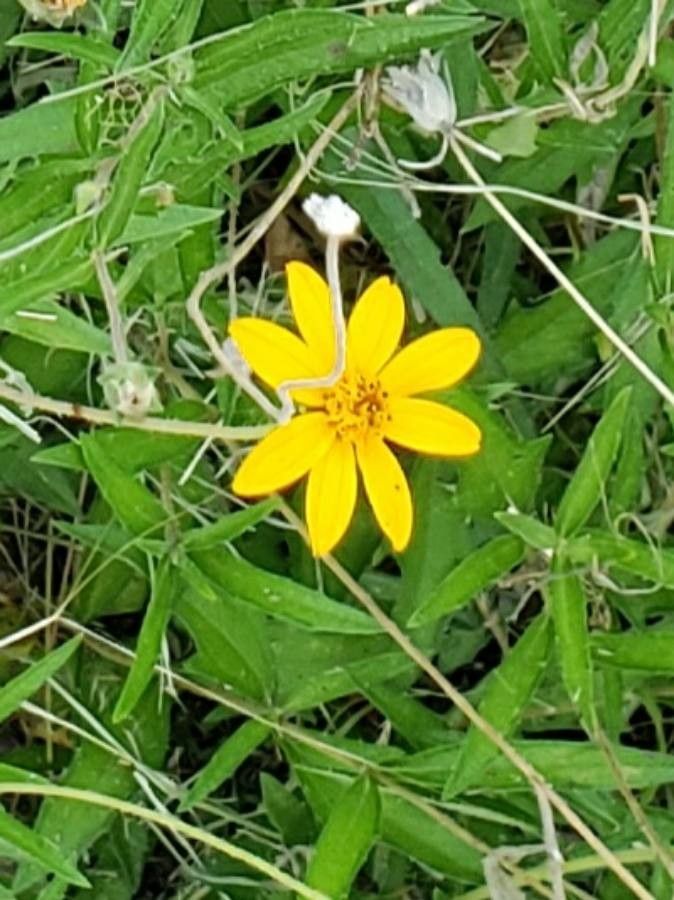
Propagating Wedelia acapulcensis: A Gardener’s Guide to Success
Introduction:
Wedelia acapulcensis, commonly known as Mexican creeping daisy or spreading Wedelia, is a vigorous, low-growing perennial boasting bright yellow daisy-like flowers. Its dense, mat-forming habit makes it a popular choice for ground cover, erosion control, and even as a living mulch. Its hardiness and adaptability contribute to its widespread cultivation, however, propagating this tenacious plant presents unique challenges and rewards. This article explores various propagation methods, highlighting their feasibility and offering practical advice for success.
Seed Germination:
Currently, there are no known reliable methods for seed germination propagation of Wedelia acapulcensis. While the plant does produce seeds, their germination rate is notoriously low, and successful germination under cultivated conditions remains elusive. Further research is needed to determine if specific pre-treatment techniques (such as stratification or scarification) could improve germination success.
Cuttings:
Challenges: Cuttings are the most common and reliable method for propagating Wedelia acapulcensis. However, success hinges on utilizing actively growing, healthy stems. Using older, woody stems results in significantly lower rooting success.
Practical Tips: Take 4-6 inch cuttings from non-flowering stems in spring or summer. Remove lower leaves to prevent rot. Dip the cut ends in rooting hormone for enhanced results. Plant cuttings in a well-draining, moist propagation mix (e.g., a mix of peat moss and perlite) and maintain high humidity, ideally using a propagator or covering with plastic wrap. Keep the cuttings consistently moist but not waterlogged.
Rewards: Cuttings offer a straightforward approach to propagation, providing a high success rate if executed correctly. This method allows for the rapid multiplication of desirable plant genotypes, ensuring uniformity in your garden.
Division:
Challenges: Division is feasible, particularly for established plants. However, it is a more disruptive method as it requires careful excavation to avoid damaging the plant’s extensive root system. Incorrect division can lead to weaker plants that struggle to re-establish.
Practical Tips: Divide mature plants in spring or early fall. Carefully dig up the entire plant and gently separate it into smaller sections, ensuring each division has ample roots and healthy stems. Replant the divisions in well-prepared soil, ensuring proper spacing for optimal growth.
Rewards: Division is a relatively easy and efficient way to increase the number of Wedelia plants. It allows for the quick expansion of your existing plants and avoids the need for starting from scratch with cuttings.
Tissue Culture:
While theoretically possible, tissue culture propagation of Wedelia acapulcensis is not commonly practiced. This method requires specialized equipment, sterile conditions, and expertise in plant tissue culture techniques.
Challenges: Establishing sterile conditions, selecting appropriate media, and maintaining aseptic cultures can be challenging for the home propagator. The high initial investment in equipment and supplies may outweigh the benefits for small-scale propagation.
Practical Tips: This method is best left to professionals or research institutions with the necessary resources and technical expertise.
Rewards: Tissue culture offers the potential for mass production and the eradication of diseases, but it’s not a practical method for most home gardeners.
Conclusion:
Propagating Wedelia acapulcensis presents a variety of challenges, with cuttings providing the most reliable and accessible method for the average gardener. Seed germination currently poses a significant hurdle, while division offers a straightforward option for established plants. Tissue culture, though potentially powerful, remains a specialized technique.
Despite the challenges, the satisfaction of successfully cultivating this resilient plant from a cutting or a division is immense. The rewards – a flourishing carpet of bright yellow flowers that requires minimal maintenance – make the effort worthwhile. Don’t be discouraged by initial setbacks; persistence and a little experimentation will lead to success in propagating this rewarding and beautiful groundcover. Remember to always use clean, sharp tools to minimize the risk of disease transmission. Happy propagating!