
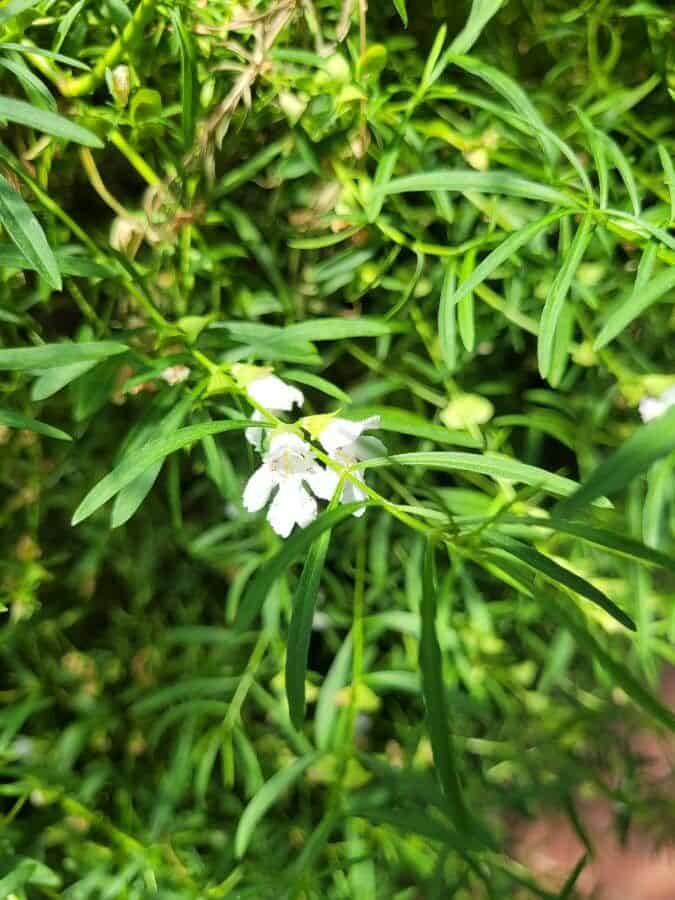
Multiply Your Coastal Rosemary: A Guide to Propagating Westringia Longifolia
Westringia longifolia, commonly known as Coastal Rosemary (although not a true rosemary), is a beloved evergreen shrub celebrated for its delicate foliage, charming flowers, and remarkable resilience in coastal conditions. Whether you’re looking to expand your existing collection or share this hardy beauty with friends, propagating Westringia longifolia is a rewarding endeavor, even for budding gardeners.
This comprehensive guide will equip you with the knowledge and confidence to propagate Coastal Rosemary successfully:
Two Paths to Propagation: Cuttings vs. Seed
Westringia longifolia can be propagated through two primary methods: cuttings and seeds. Each approach comes with its own set of advantages and considerations:
1. Propagation from Cuttings:
- Best Time: Late spring or early autumn offer ideal conditions for cuttings to thrive.
- Steps:
- Select Healthy Shoots: Choose young, healthy stems that are around 4-6 inches long. Avoid flowering stems as they tend to root less effectively.
- Prepare the Cuttings: Using clean, sharp shears, make a cut just below a leaf node (the point where leaves emerge). Remove the lower leaves, leaving only a few at the top.
- Hormone Treatment (Optional): Dipping the cut end in rooting hormone can encourage faster root development.
- Potting the Cuttings: Plant the cuttings in a well-draining potting mix, burying the bottom node.
- Create a Humid Environment: Cover the pot with a plastic bag or use a propagation dome to retain moisture.
- Care and Patience: Place the cuttings in a bright location, avoiding direct sunlight. Keep the soil consistently moist but not waterlogged. Rooting can take anywhere from a few weeks to a couple of months.
- Advantages: Cuttings offer a faster and more reliable method, ensuring the offspring retains the characteristics of the parent plant.
2. Propagation from Seed:
- Best Time: Spring is the optimal time for sowing Westringia longifolia seeds.
- Steps:
- Collect Mature Seeds: Harvest seeds from dried seed pods on the plant.
- Prepare Seed Trays: Fill seed trays with a well-draining seed-starting mix.
- Sow the Seeds: Scatter seeds evenly on the surface and cover lightly with soil.
- Provide Warmth and Moisture: Water gently and maintain a warm temperature (around 70-75°F or 21-24°C).
- Transplant: Once seedlings develop a few sets of true leaves, transplant them into individual pots.
- Advantages: Propagating from seed can be a cost-effective way to produce multiple plants, although it may take longer for them to mature.
Key Tips for Success:
- Well-Draining Soil: Westringia longifolia thrives in well-draining soil. Use a quality potting mix amended with perlite or sand for optimal drainage.
- Bright, Indirect Light: Place your cuttings or seedlings in a location that receives bright, indirect light. Avoid direct sunlight, especially during the hottest parts of the day.
- Consistent Moisture: Keep the soil consistently moist but not waterlogged. Avoid letting the soil dry out completely, but be mindful of overwatering, which can lead to root rot.
Propagating your Westringia longifolia is a fulfilling way to expand your garden or share its beauty. By following these guidelines and arming yourself with patience, you’ll be well on your way to cultivating more of this remarkable coastal charmer.