
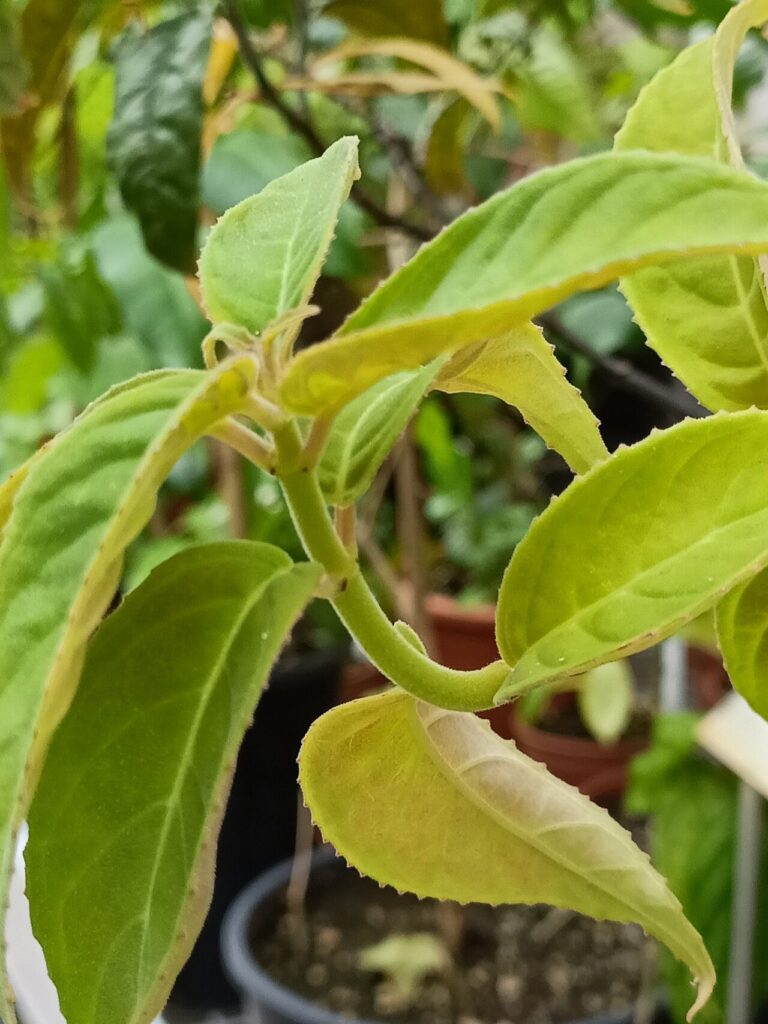
Unlocking the Secrets of the “Flame Vine”: Propagating Whitfieldia Lateritia
The Whitfieldia lateritia, also known as the “Flame Vine,” is an eye-catching plant with fiery orange-red blooms that explode with color. Its beauty is undeniable, but for many, the thought of bringing this tropical beauty into their homes can feel daunting.
Fear not, plant enthusiasts! While Whitfieldia lateritia may look exotic, it’s not as difficult to propagate as you might think. With a little patience and the right techniques, you can easily create new plants from cuttings, giving you a vibrant jungle paradise in no time.
Here’s what you need to know:
1. The Timing is Key:
The best time to propagate Whitfieldia lateritia is during the spring and early summer, when the plant is actively growing. This ensures the cuttings have ample energy for rooting.
2. The Cutting Method:
- Softwood cuttings: These are taken from new growth that is still flexible. For the best results, cut a 4-6 inch section just below a node (the point where leaves grow from the stem). Remove the leaves from the bottom 1-2 inches of the stem.
- Semi-hardwood cuttings: These are taken from slightly older growth that is still pliable, usually in the late summer or early fall. Follow similar steps as with softwood cuttings.
3. Preparation and Rooting:
- Prepare the cuttings: Dip the cut ends of your cuttings in rooting hormone powder. This helps promote root growth.
- Choose your rooting medium: You can use a mix of equal parts perlite and vermiculite, or a pre-made rooting mix. Fill a small pot or tray with the chosen medium, ensuring good drainage.
- Plant the cuttings: Insert the treated cuttings into the rooting medium, ensuring the nodes are buried.
4. Care and Maintenance:
- Moisture is key: Keep the rooting medium consistently moist but not soaked. You can mist the cuttings regularly to maintain humidity.
- Warmth and light: Place the cuttings in a warm, bright location, but avoid direct sunlight. Ideally, temperatures should be between 70-75 degrees Fahrenheit.
- Patience is vital: Allow the cuttings to root for several weeks, depending on the method and conditions. Watch for signs of new growth; this signifies successful rooting.
5. Transplanting Time:
Once your cuttings have developed a healthy root system, you can transplant them into larger pots with well-draining potting mix. Remember to acclimate them gradually to the new environment and avoid overwatering.
Beyond cuttings, you can also try:
- Air layering: This advanced technique involves encouraging roots to develop on the stem while it’s still attached to
the parent plant. - Seeds: Although it can be more challenging than cuttings, propagating from seeds can be a rewarding experience.
Tips for success:
- Use sharp, clean tools to avoid contamination.
- Avoid using cuttings from diseased or damaged plants.
- Provide consistent care and monitor the cuttings regularly for signs of problems.
By mastering these techniques, you can explore one of the most rewarding aspects of plant ownership—propagation! Enjoy the thrill of watching your new Flame Vines flourish, and revel in the beauty of your tropical paradise.