
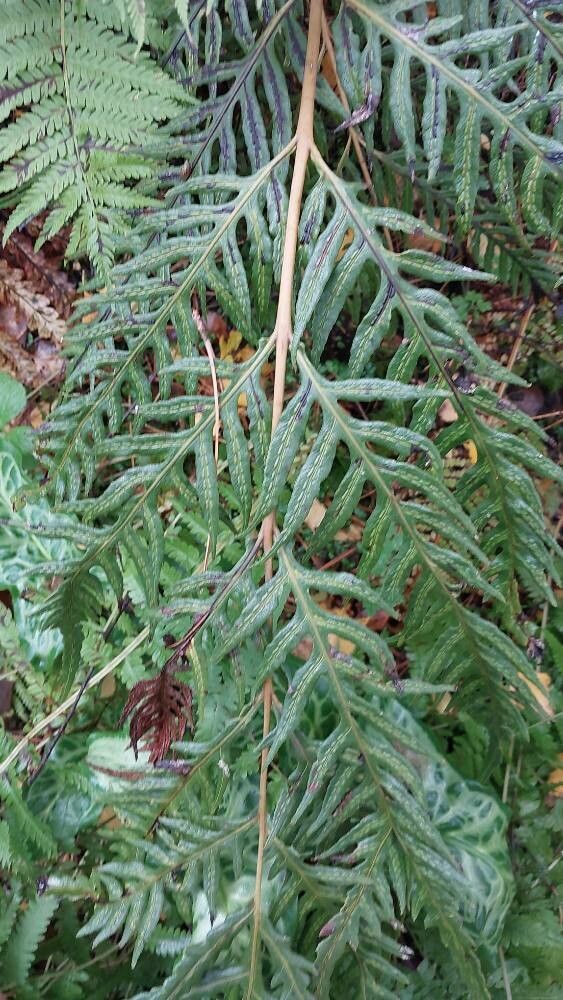
Unleashing the Oriental Chain Fern: A Guide to Propagating Woodwardia orientalis
The Woodwardia orientalis, more charmingly known as the Oriental Chain Fern, is a sight to behold. This majestic fern, with its arching fronds and intriguing “chain-like” spore patterns, can add a touch of prehistoric elegance to any garden or home. But did you know that replicating this beauty isn’t as daunting as it seems? Let’s delve into the fascinating world of Woodwardia orientalis propagation and discover how you can multiply your fern family with ease.
Two Paths to Fern Frondom: Spores vs. Plantlets
Unlike many plants that rely on seeds, ferns utilize spores for reproduction. The Woodwardia orientalis takes this a step further with a special trick up its sleeve: plantlets. These miniature ferns sprout right on the parent frond, making propagation a breeze. So, you have two options: the slightly more adventurous spore route or the relatively straightforward plantlet method.
1. Spore Propagation: A Touch of Nature’s Magic
Don’t let the word “spore” intimidate you. It’s a simple process that involves a touch of patience and the right environment:
- Collecting Spores: Look for mature fronds with dark, raised lines on the underside. These are spore-producing structures called “sori.” Carefully snip off a frond and place it in a paper bag to dry. Within a few days, ripe spores will release as a fine powder.
- Sowing the Spores: Prepare a seed tray with a sterile seed-starting mix. Lightly mist the surface and sprinkle the spores evenly, avoiding overcrowding. Cover the tray with plastic wrap to maintain humidity and place it in a warm, bright location out of direct sunlight.
- Patience is Key: Spore germination can take anywhere from a few weeks to a couple of months. Once they sprout, they’ll resemble tiny, heart-shaped plants. Thin out weaker seedlings to give the strongest ones room to grow.
- Transplanting the Sporophytes: When the young ferns are large enough to handle, carefully transplant them into individual pots filled with well-draining potting mix. Remember, they thrive in bright, indirect light and appreciate consistently moist (but not soggy) soil.
2. Plantlet Propagation: Nature’s Little Helpers
This method is as easy as it gets. Woodwardia orientalis generously produces baby ferns, or “plantlets,” directly on its fronds:
- Spotting Plantlets: Inspect the upper surface of mature fronds for small, developing ferns. These often appear along the rachis, the central stem of the frond.
- Encouraging Root Development: As the plantlets grow larger, gently encourage them to root by pressing a small amount of moist potting mix around their base while still attached to the parent frond.
- Separation and Potting: Once the plantlets develop a significant root system, carefully detach them from the mother frond. Plant them in individual pots with a well-draining potting mix, ensuring the base of the plantlet sits level with the soil line.
- Continuous Care: Provide the same care as you would for mature ferns – bright, indirect light, consistent moisture, and moderate humidity.
Reaping the Rewards of Propagation
Whether you choose the magic of spores or the convenience of plantlets, propagating your Woodwardia orientalis is an incredibly rewarding experience. Not only will you expand your fern collection, but you’ll also gain a deeper appreciation for the fascinating life cycle of these ancient plants. So, embrace the adventure and watch your Oriental Chain Fern family flourish!