
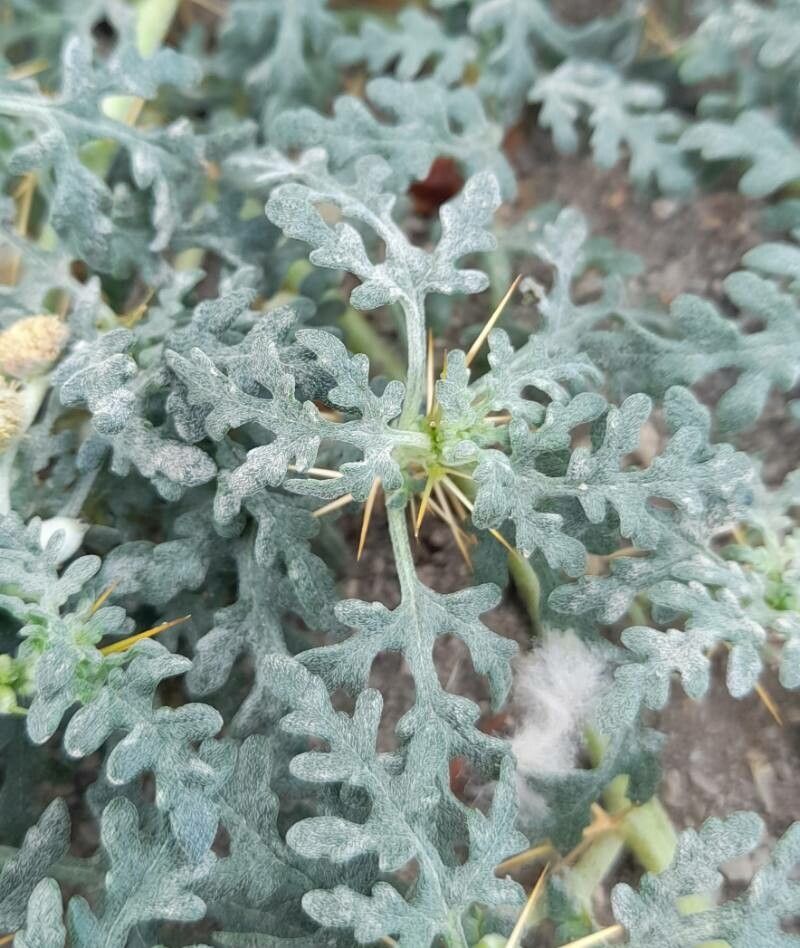
More Than a Weed: Propagating Cocklebur (Xanthium ambrosioides)
Cocklebur. You might know it as that pesky, spiky weed clinging fiercely to your socks after a hike. While it’s true that Xanthium ambrosioides has earned its reputation as an unwelcome guest in fields and gardens, this tenacious plant also boasts a fascinating life cycle and a surprising resilience that makes it surprisingly easy to propagate.
Understanding the Cocklebur Life Cycle
Before we delve into propagation, it’s important to understand a bit about the cocklebur’s life cycle. This annual plant thrives in disturbed soils and waste areas, quickly taking root and spreading its distinctive spiky burs. These burs are more than just a nuisance; they house the cocklebur’s seeds, cleverly designed for dispersal. Each bur typically contains two seeds, one that germinates quickly and another that exhibits delayed germination, ensuring the plant’s survival even in adverse conditions.
Propagation Methods: Letting Nature Take the Lead (and How to Assist It)
Given the cocklebur’s reputation as an invasive weed, deliberately cultivating it might seem counterintuitive. However, understanding its propagation methods can be beneficial for those combating its spread or for those interested in its potential uses in traditional medicine and pest control.
Here are the primary ways cocklebur propagates:
- Seed Dispersal: This is the most common method. The spiky burs easily attach themselves to animals, clothing, and machinery, carrying the seeds to new locations. They then fall off, effectively dispersing the seeds far and wide.
- Water: Cocklebur seeds can also be dispersed by water. This is particularly effective in areas prone to flooding, as the buoyant burs can travel significant distances.
Tips for Encouraging (or Discouraging) Propagation:
- Soil Disturbance: Cocklebur thrives in disturbed soil. Tilling, digging, and even foot traffic can create ideal conditions for germination. Therefore, minimizing soil disturbance in areas where cocklebur is present can help control its spread.
- Water Management: Proper drainage and irrigation practices can limit the spread of cocklebur seeds through water.
- Bur Removal: Physically removing the prickly burs before they mature and disperse seeds is an effective way to limit propagation. It’s best to wear gloves when handling the burs to avoid the prickly spines.
Cautions to Keep in Mind:
- Invasive Species: Cocklebur is considered an invasive species in many regions. It’s crucial to be aware of its invasive potential and avoid actions that could contribute to its spread. Check local regulations before cultivating or transplanting cocklebur.
- Toxicity: All parts of the cocklebur plant are toxic to humans and livestock, particularly the seedlings and seeds. Exercise caution when handling any part of the plant and wear protective gear if needed.
From Nuisance to Nature’s Ingenuity:
While cocklebur might be considered a nuisance, understanding its propagation methods provides valuable insights into its resilience and adaptability. By learning about its life cycle, we can better manage its spread and appreciate the surprising ingenuity of even the humblest plants.