
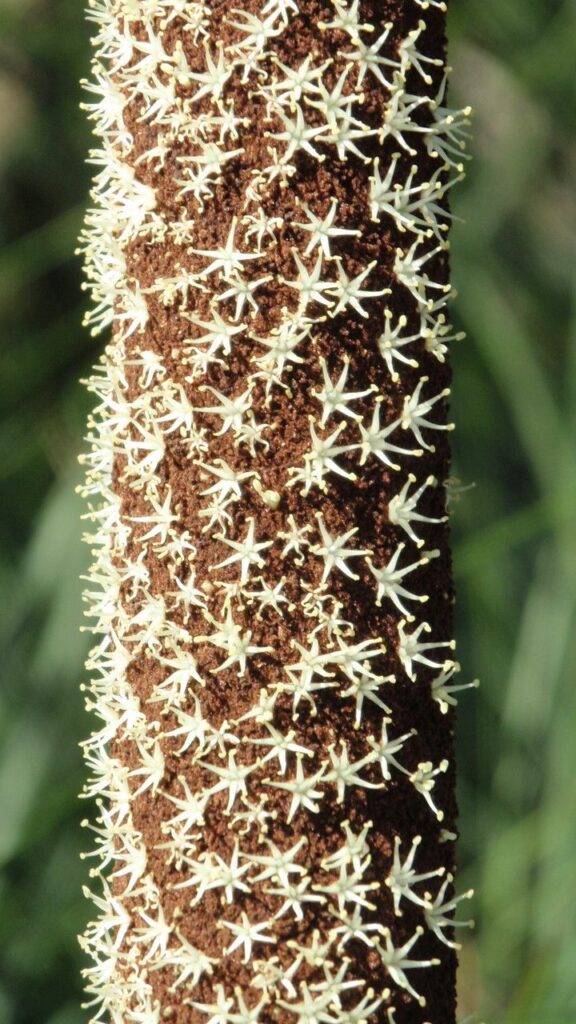
Taming the Dragon: Propagating the Grass Tree (Xanthorrhoea resinosa)
The Grass Tree (Xanthorrhoea resinosa), also known as the grasstree or simply “resinosa,” is an iconic Australian plant that captivates with its ancient lineage and unique appearance. This slow-growing wonder, often mistaken for a grass despite being a member of the lily family, can live for centuries, developing a majestic trunk crowned by a dramatic spray of grass-like leaves. If you’re lucky enough to live in a suitable climate and are looking for an intriguing gardening challenge, why not try propagating your own Xanthorrhoea resinosa?
Understanding the Challenge
Propagating Xanthorrhoea resinosa isn’t for the faint of heart. These hardy survivors are incredibly slow growers and have specific needs to thrive. However, the reward of nurturing a plant from its infancy to potentially outlive you is undoubtedly alluring.
Two Paths to Propagation
There are two primary methods for propagating Xanthorrhoea resinosa:
- Seeds: Collecting seeds from mature plants (they look like small capsules) and sowing them is the most common technique.
- Offsets (Pups): Occasionally, a mature Grass Tree will produce small offsets at its base. Carefully removing and potting these “pups” can also be successful.
The Seed Route: A Test of Patience
- Collection and Preparation: Harvest mature seed capsules in late summer or autumn. Allow them to dry thoroughly, then gently crush them to release the seeds.
- Sowing: Use a well-draining seed raising mix (a blend of sand, perlite, and peat moss works well). Sow the seeds shallowly, barely covering them with the mix.
- Environment: Place the seed tray in a warm, sheltered location with indirect sunlight. Maintaining consistent moisture is crucial but avoid overwatering, which can lead to fungal issues.
- Germination: Be patient! Seed germination can take anywhere from several months to a year or more.
- Transplanting: Once seedlings are a few centimeters tall and have developed a good root system, transplant them into individual pots using a similar well-draining mix.
Taking Offsets: A Quicker, Riskier Option
- Identification: Look for small plants sprouting at the base of a mature Grass Tree.
- Removal: Carefully separate the offset from the parent plant, ensuring you retain as much of its root system as possible. A sharp, clean knife is essential for this process.
- Potting: Plant the offset in a well-draining potting mix similar to what you would use for seedlings. Choose a pot size that comfortably accommodates the root system.
- Care: Place the potted offset in a shady spot and water regularly, being careful not to overwater.
A Long Game of Love and Attention
Whether you choose seeds or offsets, remember that Xanthorrhoea resinosa requires a long-term commitment. These remarkable plants can take decades, even centuries, to reach maturity. Provide them with well-drained soil, protection from frost when young, and plenty of sunshine as they grow.
Propagating your own Xanthorrhoea resinosa may seem like a monumental task, but the satisfaction of nurturing this ancient species is an experience like no other. With persistence and the right care, you can enjoy the unique beauty of the “Black Boy” in your own backyard for generations to come.