
Unlocking the Secrets of the Pepperleaf: A Guide to Propagating Xylopia frutescens
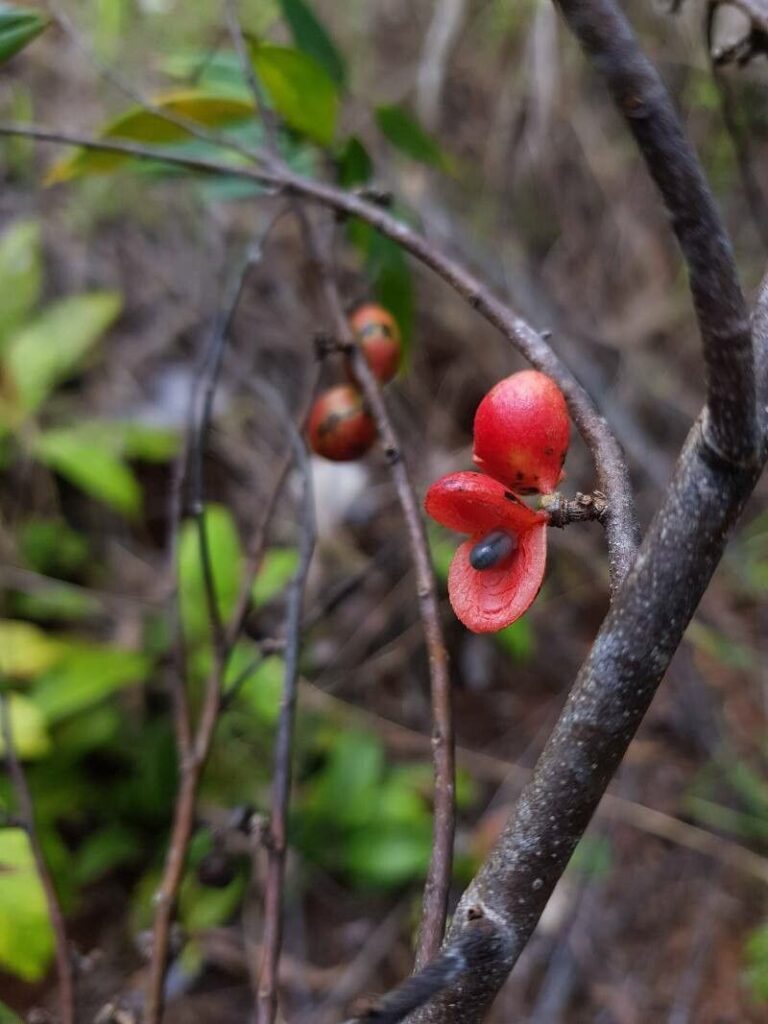
The Xylopia frutescens, commonly known as the pepperleaf or dwarf pawpaw, is a treasure trove of sensory delight. This small evergreen tree or shrub, native to the Americas and Africa, boasts glossy green foliage that releases a delightful peppery aroma when crushed. But its allure doesn’t stop there. The pepperleaf also graces us with small, star-shaped flowers that give way to unique, finger-like fruits – showcasing a tapestry of flavors from sweet to spicy, often used in traditional dishes and beverages.
Intrigued? If you’re looking to introduce this aromatic wonder to your garden, propagation is the key. While finding pepperleaf seedlings at your local nursery can be a challenge, fear not! This guide will equip you with the knowledge to propagate Xylopia frutescens through two effective methods:
Method 1: Seed Propagation
- Seed Collection and Preparation: Harvest ripe fruits directly from the plant or purchase seeds from a reputable supplier. Extract the seeds from the fruits and clean off any remaining pulp. Soaking the seeds in lukewarm water for 24 hours can help soften the seed coat and encourage germination.
- Sowing: Use a well-draining seed starting mix. Plant the seeds about half an inch deep in seed trays or small pots, providing sufficient spacing between them.
- Environment: Pepperleaf seeds relish warmth and humidity. Maintain a consistent temperature between 75-85°F (24-29°C). Consider using a heat mat to provide bottom heat.
- Moisture and Light: Keep the soil consistently moist but not waterlogged. Provide bright, indirect light.
- Patience: Germination can be slow, ranging from a few weeks to several months. Don’t be disheartened by a delayed emergence.
- Transplanting: Once the seedlings develop a few sets of true leaves, carefully transplant them into individual pots or directly into your garden, ensuring they are spaced at least 3-4 feet apart. Choose a sunny to partially shaded location with well-drained soil.
Method 2: Cutting Propagation
- Timing is Key: Early morning is the optimal time to take cuttings, as the plant is most hydrated.
- Select Healthy Cuttings: Choose semi-hardwood stem cuttings from healthy, disease-free branches. Cuttings should be about 4-6 inches long with several nodes.
- Prepare the Cuttings: Remove the leaves from the lower third of the cutting. Dipping the cut end in rooting hormone can significantly improve the success rate.
- Planting: Place the prepared cuttings in a well-draining rooting medium, ensuring at least two nodes are buried below the surface.
- Environment and Care: Similar to seed propagation, maintain a warm and humid environment. A humidity dome or covering the cutting with a plastic bag can help retain moisture.
- Root Development: Root formation typically occurs within 6-8 weeks. You’ll know roots have developed when you feel resistance when gently tugging on the cutting.
- Transplanting: Gradually acclimate the rooted cuttings to outdoor conditions before transplanting them to their final location in the garden.
A Note on Patience:
Propagating Xylopia frutescens requires a bit of patience and dedication. Don’t be discouraged by initial setbacks. With proper care and attention, you can successfully unlock the secrets of this fascinating plant and savor the unique flavors and aromas it bestows.