
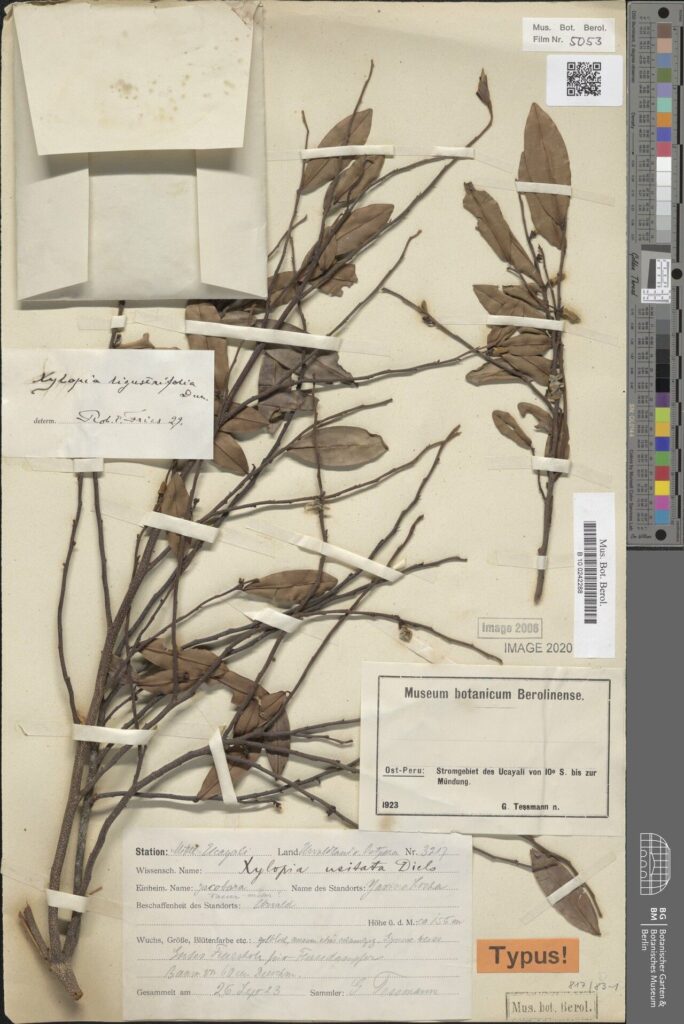
From Seed to Success: Propagating the Aromatic Xylopia ligustrifolia
The Xylopia ligustrifolia, also known as the West Indian Pepper or Wild Pepper, is a tropical beauty with a distinctive spicy aroma. This plant, native to the Caribbean and Central America, boasts attractive glossy leaves, fragrant flowers, and edible, peppery fruits. Its versatility extends beyond the kitchen, making it a fantastic ornamental plant for warm climates.
But how do you bring this spicy wonder into your own garden? The answer lies in propagation, a gentle art of creating new plants from existing ones. While Xylopia ligustrifolia can be propagated through seed, cuttings, and air layering, let’s delve deeper into each method to discover the best approach for you.
1. From Seed to Sprout: The Patient Approach
Starting from seed offers a rewarding challenge. Here’s how to embark on this journey:
- Collect the Seeds: Gather ripe fruits, extract the seeds, and gently clean them.
- Prepare the Seedbed: Choose a well-draining seed-starting mix and fill your pots or trays.
- Sowing Time: The ideal time to sow is during warm seasons.
- Moisture Matters: Maintain consistent moisture, but avoid overwatering.
- Time for Patience: Xylopia ligustrifolia seeds can be slow to germinate. Be patient, they might take up to a few weeks or even months.
2. Taking Cuttings: A Faster Route
Propagating through cuttings offers a faster way to establish new plants. Here’s your guide:
- Selecting Strong Cuttings: Choose softwood cuttings from new growth, ideally 4-6 inches long.
- Preparation is Key: Remove the leaves from the bottom inch or two and dip the cut end in rooting hormone for success.
- Planting Your Cutting: Place the prepared cutting in a moist, well-draining medium, ensuring good contact between the rooting hormone and the soil.
- Creating a Humid Environment: Cover your cuttings with a clear plastic dome or bag to maintain humidity.
- Patience is Still a Virtue: Allow the cuttings to root for several weeks, checking moisture levels regularly.
3. Air Layering: For the Bold and Patient
Air layering is a more involved method that involves stimulating root growth on a branch before separating it from the parent plant. Here’s how to do it:
- Choose a Healthy Branch: Select a mature, flexible branch that is at least a year old.
- Scooping Out a Notch: Carefully make a notch or ring around the branch, removing a portion of bark and cambium.
- Moistening the Wound: Apply rooting hormone to the exposed area and wrap it with moist sphagnum moss, securing it with plastic wrap.
- Roots Will Appear: Keep the sphagnum moss moist and check for root development after a few weeks.
- New Plant Birth: Once roots appear, cut the branch just below the rooted area and pot it in fresh potting mix.
Tips for Success:
- Good Soil: Xylopia ligustrifolia prefers well-drained soil.
- Sunlight: This plant thrives in full sun to partial shade.
- Regular Watering: Keep the soil consistently moist, but avoid overwatering.
- Fertilization: Use a balanced fertilizer during the growing season.
Cultivating Xylopia ligustrifolia is a journey that rewards patience and careful attention. Whether you choose seeds, cuttings, or air layering, remember to provide your new plants with the right environment for optimal growth and enjoy their spicy aroma and beauty.