
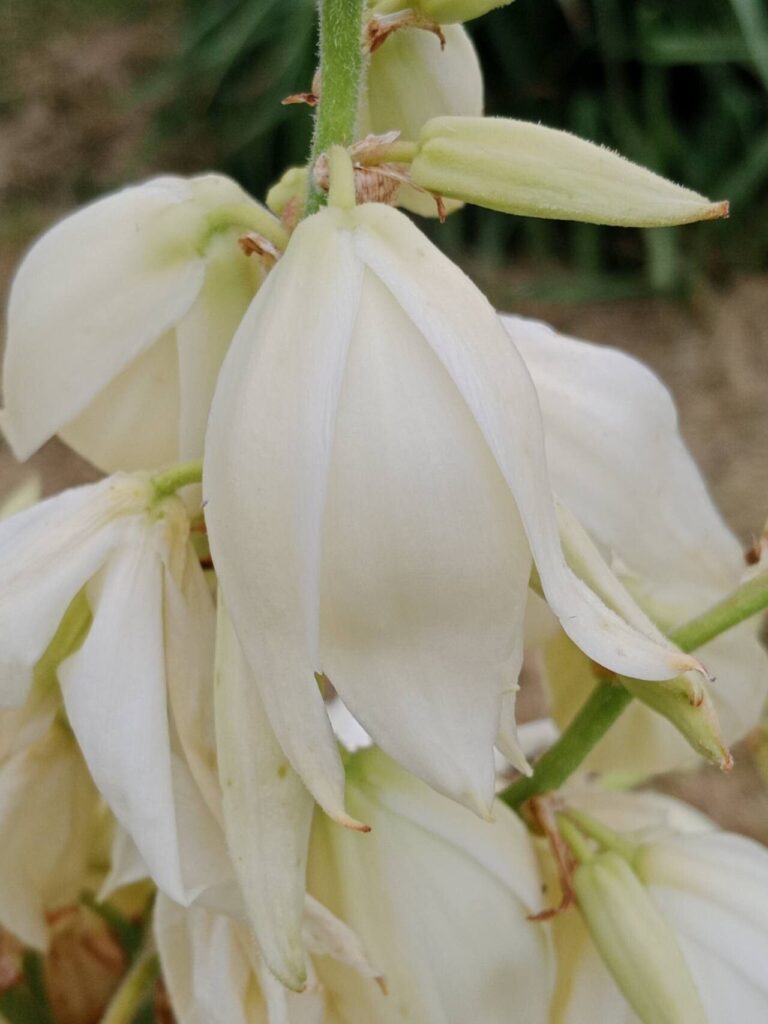
From One Yucca to Many: Mastering the Art of Yucca Filamentosa Propagation
The Yucca filamentosa, also known as the Adam’s Needle, is a striking, drought-tolerant plant that adds a touch of the desert to any garden. Its sword-like leaves and dramatic flower stalks make it a captivating focal point. But did you know that this hardy plant is remarkably easy to propagate? That’s right, with a little know-how, you can turn one Yucca filamentosa into several, expanding your garden or sharing the beauty with friends.
The Power of Division
The easiest and most reliable way to propagate Yucca filamentosa is through division. This method involves separating the plant into individual pups or offsets that have already developed their own root systems. Here’s how to do it:
- Timing is Key: Spring or early fall are the ideal times for dividing Yucca filamentosa. This allows the new plants to establish themselves before the harsh winter or the scorching summer.
- Preparation: Carefully dig around the base of the Yucca, and using a sharp garden spade or shovel, gently separate the pups from the mother plant. Aim for pups that have at least a few inches of healthy roots.
- Planting: Plant the pups in well-drained soil, ensuring the crown (where the leaves emerge) is at soil level. Water thoroughly and provide partial shade for the first few weeks to encourage root development.
From Seed to Success
While not as common, Yucca filamentosa can also be propagated from seed. This can be a little more time-consuming, but it’s a great way to grow a large number of plants:
- Gathering seeds: Collect mature seed pods from the plant after flowering. These pods will turn brown and dry. Open the pods to reveal the numerous small black seeds.
- Seed starting: Sow the seeds in a seed tray filled with a well-draining potting mix. Mist the seeds lightly and cover the tray with a clear plastic dome or wrap to create a humid environment.
- Germination: Yucca filamentosa seeds need warm temperatures to germinate. Aim for 70-75 degrees Fahrenheit. Germination can take several weeks, so be patient!
- Transplanting: Once seedlings have developed a few true leaves, carefully transplant them into individual pots or directly into the garden.
Tips for Success
- Soil: Yucca filamentosa prefers well-drained soil. Amend the soil with sand or gravel if needed to improve drainage.
- Watering: While drought-tolerant, Yucca filamentosa appreciates regular watering, especially when young. Once established, they can tolerate extended periods of dryness.
- Sunlight: These plants thrive in full sun to partial shade.
- Pest & Disease: Yucca filamentosa are generally pest and disease resistant.
Conclusion
Propagating Yucca filamentosa is a rewarding and relatively easy endeavor, adding more of these unique plants to your garden and introducing others to their beauty. Whether you opt for division or seed propagation, you’ll be amazed at the results. So, roll up your sleeves, grab a spade, and get ready to enjoy the rewards of your efforts as your Yucca plants flourish.