
Unlocking the Secrets of Zamia Tuerckheimii Propagation: A Guide for Plant Enthusiasts
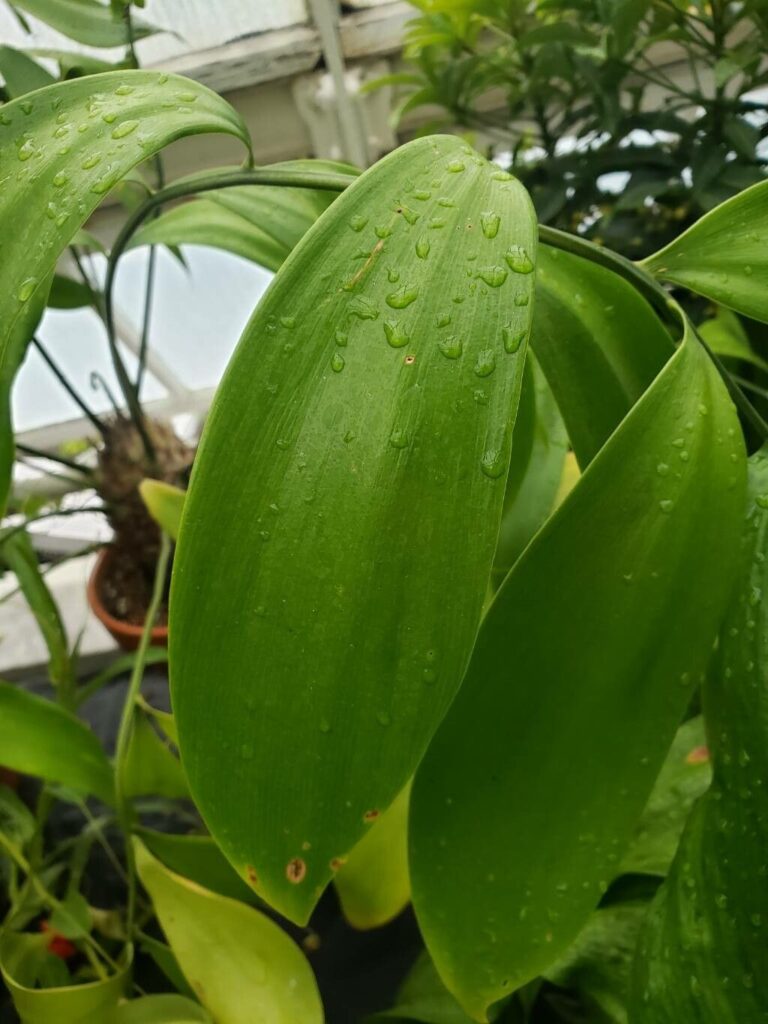
The Zamia tuerckheimii, a rare and captivating cycad native to Guatemala, is a coveted gem among plant collectors. Its distinctive features, boasting long, arching leaves reminiscent of prehistoric ferns, make it a striking addition to any plant lover’s collection. However, obtaining this botanical treasure can be challenging due to its limited availability. That’s where propagation comes in, offering a rewarding journey for those seeking to expand their collection and contribute to the conservation of this unique species.
While not as straightforward as propagating common houseplants, understanding the Zamia tuerckheimii’s lifecycle and employing the right techniques can significantly increase your chances of success. This guide will delve into the two primary propagation methods:
1. Seed Propagation: Embracing the Journey of Patience
Propagating Zamia tuerckheimii from seed is a lengthy but rewarding process that requires patience and dedication. Here’s what you need to know:
- Sourcing Viable Seeds: Obtaining fresh, viable seeds is crucial for successful germination. Seek reputable seed suppliers specializing in rare cycads to ensure quality.
- Preparing the Seeds: Before sowing, soak the seeds in lukewarm water for 24-48 hours to enhance water absorption and encourage germination.
- Creating the Ideal Environment: Sow the seeds in a well-draining potting mix, covering them lightly with soil. Maintain a warm and humid environment with consistent moisture, ideally using a propagation dome or humidity chamber.
- The Waiting Game: Germination can take anywhere from a few months to a year, so be patient and don’t lose hope! Once the seedlings emerge, provide them with bright, indirect light and gradual acclimation to outdoor conditions.
2. Pup Removal: Offsetting for a Faster Start
For a quicker propagation method, consider pup removal. Zamias produce offsets, or “pups,” at the base of the main plant. These pups can be carefully detached and potted to create new plants. Here’s how:
- Identifying Viable Pups: Choose pups that have developed a good root system and a few leaves of their own.
- Careful Removal: Using a clean, sharp knife or pruning shears, carefully separate the pup from the mother plant, ensuring you retain as much of the pup’s root system as possible.
- Potting the Pups: Plant the pups in well-draining soil, burying the base slightly below the surface. Water thoroughly and place in a warm, shaded area.
Nurturing Your New Zamia Tuerckheimii
Whether you’ve chosen the path of seeds or pups, providing the right care is crucial for the long-term success of your Zamia tuerckheimii propagation endeavors. These plants thrive in bright, indirect light and prefer a well-draining soil mix that allows for good aeration. Water deeply when the soil is dry to the touch, avoiding overwatering, which can lead to root rot.
Propagating Zamia tuerckheimii might require more patience and dedication than propagating common houseplants, but the rewards are well worth the effort. By successfully nurturing new plants, you not only expand your own collection but also contribute to the preservation of this remarkable species for future generations.