
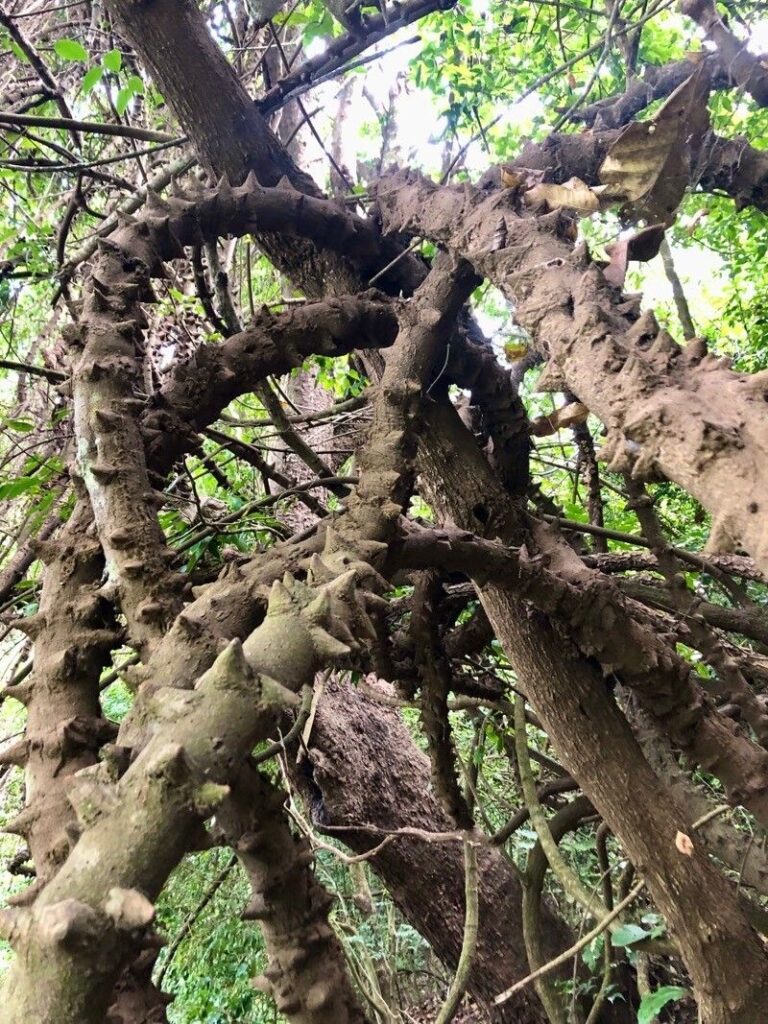
Unlocking the Secrets of the Knobwood Tree: A Guide to Propagating Zanthoxylum chalybeum
The Knobwood tree, or Zanthoxylum chalybeum, is a fascinating and versatile species native to Africa. From its medicinal properties to its use in traditional crafts, this tree holds a special place in many cultures. If you’re interested in growing your own Knobwood, you’re in for a rewarding challenge! While propagating Zanthoxylum chalybeum isn’t as simple as some common garden plants, it’s achievable with a little patience and the right know-how.
This guide explores the two most effective methods for propagating Knobwood:
1. Seed Propagation: A Test of Patience and Skill
Propagating Zanthoxylum chalybeum from seed is considered the most reliable method, but it requires dedication. Here’s what you need to know:
- Seed Collection and Preparation: Harvest ripe fruit directly from the tree. Remove the outer pulp and allow the seeds to dry thoroughly.
- Breaking Dormancy: Knobwood seeds have a hard outer shell and exhibit dormancy. To increase germination rates, scarification is crucial. Gently rub the seed coat with sandpaper or a file, just enough to nick the outer layer. Soaking the seeds in warm water for 24 hours before sowing can also be beneficial.
- Sowing: Plant the seeds in a well-draining seed-starting mix. Keep the soil consistently moist but not waterlogged.
- Patience is Key: Germination can be erratic and may take several weeks or even months. Don’t lose hope! Provide warmth and consistent moisture, and you’ll eventually see sprouts.
2. Semi-Hardwood Cuttings: A Quicker, Though Less Reliable, Approach
While not as consistently successful as seed propagation, propagating Zanthoxylum chalybeum from semi-hardwood cuttings offers a potentially faster route to a new plant:
- Timing is Everything: Take cuttings during the active growing season, ideally in late spring or early summer, when the plant is putting out new growth.
- Selecting the Cutting: Choose a healthy, semi-mature stem that’s about 4-6 inches long. Make the cut just below a leaf node.
- Prepare the Cutting: Remove the lower leaves from the cutting, leaving only a few at the top. Dip the cut end in rooting hormone to encourage root development.
- Planting and Care: Plant the cutting in a pot filled with a well-draining mix of peat moss and perlite. Keep the environment humid by covering the pot with a clear plastic bag or placing it in a propagator.
- Monitoring Progress: After a few weeks, gently tug on the cutting. Resistance indicates root development. Once the roots are established, you can transplant your new Knobwood into a larger container.
Tips for Success with Both Methods:
- Well-Draining Soil: Zanthoxylum chalybeum is susceptible to root rot, so ensure excellent drainage in your chosen potting mix.
- Warmth and Humidity: These trees thrive in warm temperatures and high humidity. Use a heat mat to maintain soil temperatures around 70-75°F (21-24°C), especially during seed germination.
- Indirect Light: While mature Knobwood trees tolerate full sun, young plants prefer dappled shade or indirect light.
Propagating the Knobwood tree is a rewarding endeavor for plant enthusiasts and those who appreciate its unique qualities. While it requires patience and dedication, the satisfaction of nurturing a new plant from seed or cutting is well worth the effort. So, embrace the challenge, and enjoy the journey of adding this remarkable tree to your collection!