
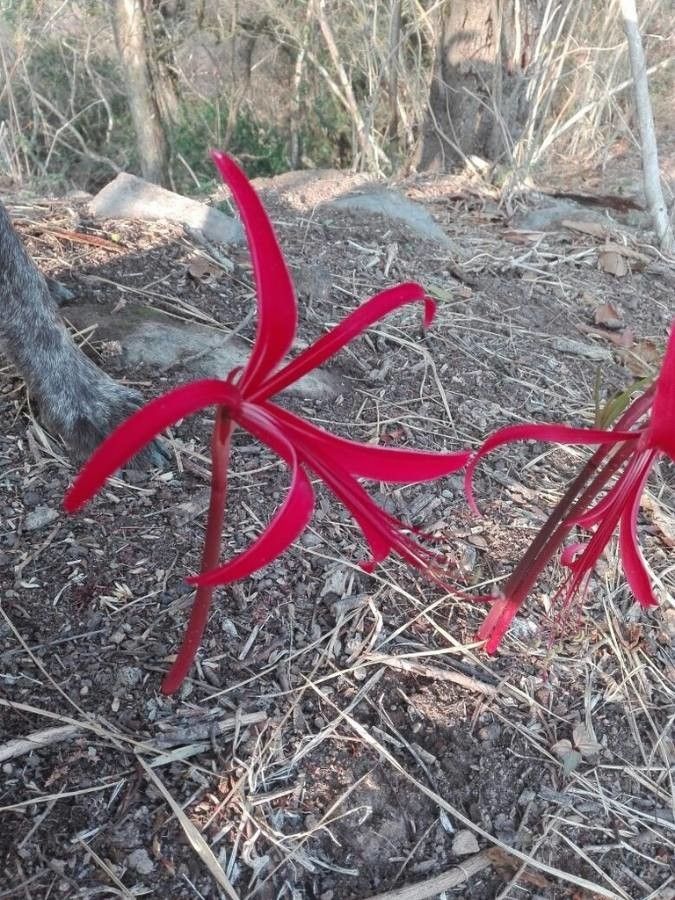
Propagating Zephyranthes sprekeliopsis: A Gardener’s Guide
Introduction:
Zephyranthes sprekeliopsis, commonly known as the Sprekel’s rain lily, is a captivating bulbous plant prized for its elegant, funnel-shaped flowers that emerge unexpectedly after rainfall. Its vibrant pink blooms, often with a deeper pink throat, make it a highly sought-after addition to rock gardens, containers, and even as a groundcover. While relatively easy to grow, propagating Zephyranthes sprekeliopsis presents unique challenges and rewards, making it a fascinating subject for the dedicated gardener. Its relatively infrequent flowering and less common availability compared to other rain lilies increases the appeal of successful propagation.
Seed Germination:
Currently, there are no known reliable methods for seed germination propagation of Zephyranthes sprekeliopsis. While the plant produces seed, germination rates are reported to be extremely low, making this method impractical for most gardeners. Further research into specific germination requirements, including potential stratification or hormonal treatments, may be necessary to improve success rates.
Cuttings:
Cuttings are not a viable method for propagating Zephyranthes sprekeliopsis. This plant, like most members of the Amaryllidaceae family, does not readily propagate from stem or leaf cuttings.
Division:
Division is the most reliable and commonly used method for propagating Zephyranthes sprekeliopsis. After the plant has finished flowering and the foliage starts to die back (typically late summer or autumn), carefully lift the bulb cluster from the ground. Gently separate the individual bulbs or bulb offsets, ensuring each has healthy roots and some foliage. Replant these individual bulbs in well-drained soil, spacing them appropriately for their mature size.
Challenges: The main challenge lies in carefully separating the bulbs without damaging them. Overly forceful separation can damage both the mother bulb and the offsets, leading to decreased success rates.
Tips: Use a sharp, clean knife or trowel to minimize damage. Handle bulbs gently. Plant the separated bulbs immediately to minimize stress.
Rewards: Division provides a relatively quick and simple way to increase your stock of Zephyranthes sprekeliopsis, maintaining the exact same genetic traits as the parent plant.
Tissue Culture:
Tissue culture offers the potential for large-scale propagation of Zephyranthes sprekeliopsis and could potentially bypass the limitations of other methods. However, this method requires specialized equipment, sterile conditions, and horticultural expertise.
Challenges: Establishing a successful protocol for tissue culture propagation of Zephyranthes sprekeliopsis would require significant research and development, including identifying the optimal growth media and hormonal treatments.
Tips: Successful tissue culture requires a controlled environment with sterile conditions and specialized knowledge. This method is not suitable for home gardeners.
Rewards: Tissue culture allows for mass production of genetically identical plants, eliminating the limitations of slower methods like division.
Conclusion:
While propagating Zephyranthes sprekeliopsis presents challenges, the rewards of successfully cultivating this captivating plant are significant. Division is the most practical method for home gardeners, offering a satisfying way to expand their collection while maintaining the unique characteristics of their original plant. Though seed germination and tissue culture hold potential for future propagation techniques, they currently remain impractical for most enthusiasts. The dedication needed to successfully multiply this beautiful rain lily emphasizes the special connection gardeners develop with their plants. For those willing to put in the effort, the sight of a new cluster of Sprekel’s rain lilies blooming is a testament to perseverance and a true gardener’s joy.