
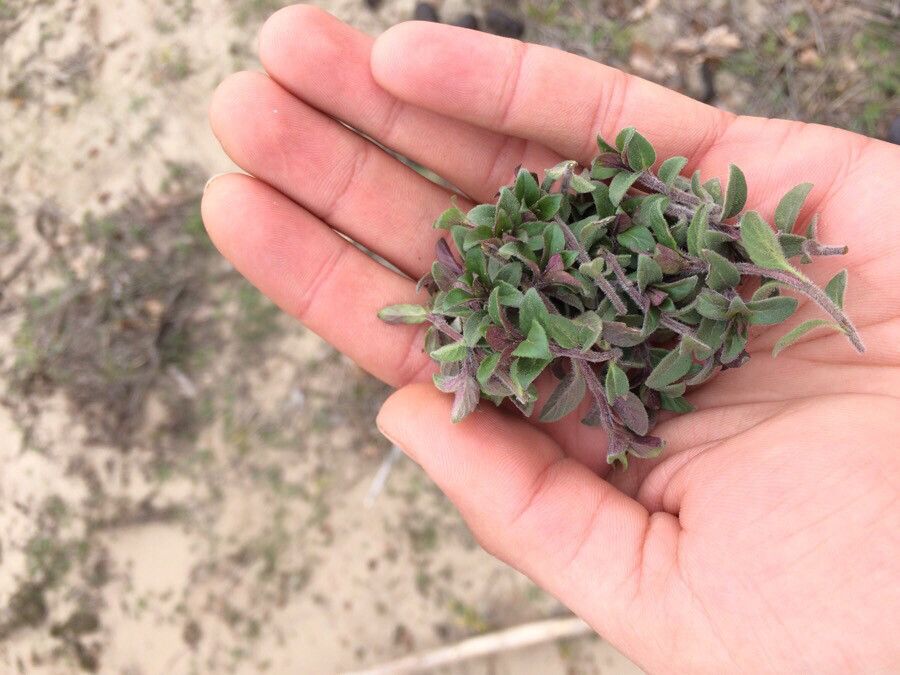
Unlocking the Secrets of Ziziphora clinopodioides: A Guide to Easy Propagation
Ziziphora clinopodioides, also known as “wild marjoram,” is a delightful herb prized for its aromatic leaves and beautiful, fragrant flowers. It’s a versatile plant, adding its distinct flavor to culinary creations and a burst of color to gardens alike. But did you know that cultivating this stunning herb is surprisingly easy? By mastering the art of propagation, you can quickly grow a flourishing patch of Ziziphora clinopodioides, providing yourself with a constant supply of fresh herbs and a captivating addition to your landscape.
The Power of Propagation
Propagation refers to the process of creating new plants from existing ones. For Ziziphora clinopodioides, there are two primary methods:
-
Seed Propagation: This method involves sowing seeds directly into the ground or in starter trays. It’s a cost-effective way to obtain many new plants, but germination can sometimes be slow and unpredictable.
- Division: This technique involves carefully separating a mature plant into several smaller divisions, each containing roots and foliage. It’s a reliable and fast way to create new plants, mirroring the genetic traits of the parent plant.
Getting Started with Seed Propagation:
-
Timing is Key: Ziziphora clinopodioides seeds can be sown directly in the garden after the last frost, or indoors for an earlier start. For indoor sowing, use seed trays filled with a well-draining seed-starting mix.
-
Sowing Savvy: Sow the seeds about 1/4 inch deep and space them approximately 1 inch apart. Keep the soil consistently moist by misting or watering gently.
- Patience Pays Off: Germination can take a few weeks, so be patient and provide adequate light and warmth. Once the seedlings have a few sets of true leaves, you can transplant them into individual pots or directly into the garden.
Mastering the Art of Division:
-
Choose the Right Time: The best time to divide Ziziphora clinopodioides is during the spring or early fall when the plant is actively growing.
-
Careful Extraction: Gently dig around the base of the plant, loosening the roots. Use a sharp knife or garden trowel to separate the plant into sections, ensuring each division has healthy roots and foliage.
- Ready for Replanting: Plant the divisions in new locations or pots, ensuring the roots are spread out and covered with soil. Water thoroughly to help them establish.
Planting and Care
Whether propagated from seed or division, Ziziphora clinopodioides prefers well-drained soil and full sun to partial shade. Water consistently, especially during dry periods. Regularly pinch off the tops of the plants to promote bushier growth and encourage flowering.
reaping the Rewards
Once established, Ziziphora clinopodioides will reward you with a fragrant tapestry of leaves and charming flowers. Its culinary versatility is undeniable, adding a unique peppery and minty flavor to dishes. Use its leaves in salads, soups, sauces, and spice blends, or infuse them into delicious herbal teas.
Beyond the Garden
Beyond its culinary delights, Ziziphora clinopodioides is a valuable herb for attracting pollinators and butterflies to your garden. Its vibrant blossoms add a touch of beauty and fragrance to any landscape.
Propagating Ziziphora clinopodioides is a simple and rewarding experience. Choose your preferred method, follow the steps outlined, and savor the taste and beauty of this versatile herb. Your culinary creations and garden will thank you!