
Unlocking the Secrets of the Acsmith Zygogynum: A Propagation Guide
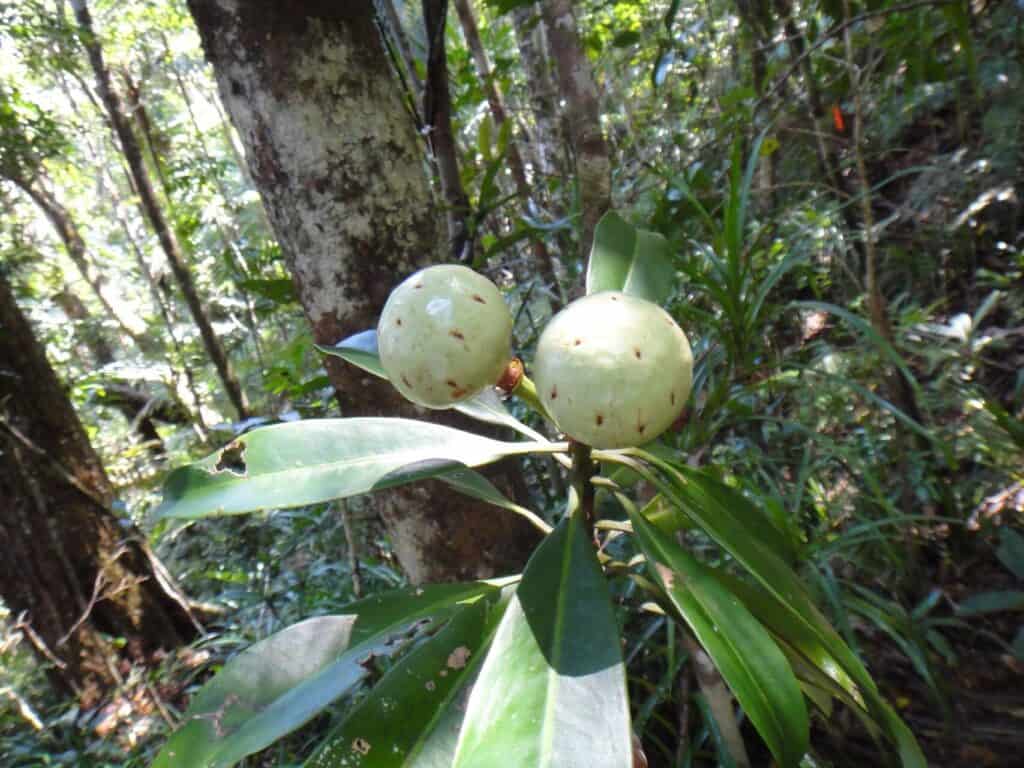
The Acsmith Zygogynum (Zygogynum acsmithii) is a hidden gem of the plant world. Found only in the rainforests of northeastern Queensland, Australia, this rare and beautiful species captivates with its glossy leaves and unique, colorful flowers. If you’re lucky enough to encounter this botanical treasure, you might wonder about the possibility of propagating it yourself. While not commonly cultivated, understanding the Acsmith Zygogynum’s natural reproductive strategies can offer valuable insights for the adventurous gardener.
Understanding the Plant’s Biology
The Acsmith Zygogynum belongs to the Winteraceae family, known for its primitive flowering characteristics. These ancient plants don’t produce nectar; instead, they rely on a fascinating interaction with specific insects for pollination. Small beetles, attracted to the heat and aroma generated within the flower’s structure, become unwitting pollen carriers, facilitating the fertilization process.
Propagation Challenges
Successfully propagating the Acsmith Zygogynum outside its natural habitat presents several challenges:
- Seed Availability: As a rare species, seeds are incredibly difficult to obtain.
- Seed Viability: Even when seeds are found, maintaining their viability is challenging. The delicate seeds are short-lived and require specific conditions for successful germination.
- Mimicking Nature: Recreating the unique environmental factors present in its rainforest home – including consistent warmth, high humidity, and specific soil composition – is crucial for success.
Possible Propagation Methods
While challenging, propagation of the Acsmith Zygogynum might be achievable through these methods:
-
- Source: If you have access to fresh seeds, it’s the most natural approach.
- Process: Sow seeds in a well-draining, slightly acidic seed mix, keep consistently moist and warm (around 70-75°F). Germination, if successful, can be slow and unpredictable.
- Challenges: Seed availability and viability remain the biggest hurdles.
- Cuttings:
- Source: Semi-hardwood cuttings taken from mature, healthy plants could potentially yield success.
- Process: Treat cuttings with rooting hormone and place them in a humid environment, potentially with bottom heat.
- Challenges: Acsmith Zygogynum’s response to rooting hormones and success rates are unknown and likely challenging to achieve.
Protecting a Precious Species
It’s important to emphasize that the Acsmith Zygogynum is a rare and protected species. Collecting plants or seeds from their natural habitat is unethical and potentially illegal. Instead, consider supporting conservation efforts focused on preserving its rainforest home.
A Rewarding Challenge
Propagating the Acsmith Zygogynum is a significant undertaking, requiring patience, dedication, and a touch of luck. While the challenges are undeniable, the potential reward of cultivating such a rare and beautiful species is a compelling motivation for plant enthusiasts up for the challenge. As our understanding grows, perhaps more effective propagation techniques will emerge, allowing us to appreciate the Acsmith Zygogynum’s unique beauty in our own collections.