Propagating the Woolly Angelica (Angelica tomentosa): A Gardener’s Guide
Introduction:
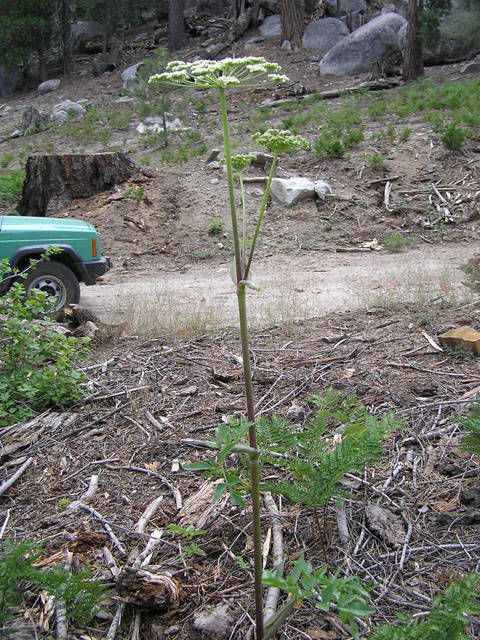
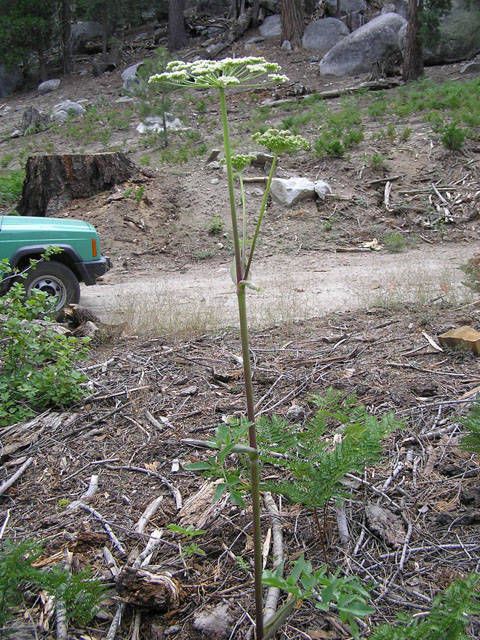
Angelica tomentosa, commonly known as Woolly Angelica, is a striking perennial herb prized for its large, deeply lobed leaves covered in soft, woolly hairs, and its attractive umbels of small, greenish-white flowers. Its architectural form and textural contrast make it a popular choice among gardeners seeking to add height and visual interest to borders, meadows, or wild gardens. However, its propagation presents a unique set of challenges, making success all the more rewarding. The plant’s relatively slow growth adds to this challenge. While seed propagation is possible, other methods may prove more reliable for the average gardener.
Seed Germination:
Seed germination of Angelica tomentosa is possible, but it’s often unpredictable and characterized by low germination rates. Challenges include a hard seed coat that inhibits water uptake and a requirement for specific environmental conditions to stimulate germination.
Challenges: Low germination rates, dormancy, sensitivity to temperature fluctuations.
Practical Tips: Scarification (nicking the seed coat) can improve germination. Cold stratification (placing seeds in moist medium at cool temperatures (around 4°C) for several weeks or months) is often necessary to break dormancy. Sow seeds in a well-draining seed-starting mix, keeping the soil consistently moist but not waterlogged. Shallow sowing is recommended.
Rewards: Genetic diversity in the resulting plants, potential for large-scale propagation (though success is not guaranteed).
Cuttings:
Currently, there are no known reliable methods for propagation of Angelica tomentosa via cuttings. The plant’s physiology does not lend itself to successful rooting from stem or leaf cuttings.
Division:
Division is a more reliable method for propagating Angelica tomentosa than seed germination. Established plants can be divided in early spring or autumn.
Challenges: Requires an established, mature plant. Damage to the root system can hinder regrowth.
Practical Tips: Carefully dig up the plant, ensuring as much root system remains intact as possible. Divide the root mass into sections, each containing several healthy buds or growing points. Replant the divisions immediately, ensuring good soil contact and watering.
Rewards: Higher success rates than seed propagation. Faster establishment of new plants, compared to seed-grown plants.
Tissue Culture:
Tissue culture propagation of Angelica tomentosa is a technique typically employed in research or commercial settings. It is generally not a practical method for home gardeners due to the specialized equipment and expertise required, as well as the associated costs.
Challenges: Establishing aseptic conditions, finding the optimal growth medium and hormonal balance for shoot and root development.
Practical Tips: This method requires specialized knowledge and sterile laboratory conditions, making it infeasible for most home gardeners.
Rewards: Potential for mass production of genetically identical plants, rapid propagation. However, it’s beyond the scope of the average home gardener.
Conclusion:
Propagating Angelica tomentosa presents unique obstacles, with seed germination being the least reliable method. Division provides the highest success rate for the home gardener, offering a rewarding experience although requiring patience. While tissue culture holds the potential for large-scale propagation, it’s beyond the reach of the home grower. The challenge of successful propagation, however, contributes to the profound satisfaction of cultivating this elegant plant. Successfully navigating these hurdles transforms the simple act of gardening into a journey of discovery and accomplishment. For aspiring propagators, patience, attention to detail, and careful observation are key—remember to start with division if possible, and try experimenting with seed germination with realistic expectations.