
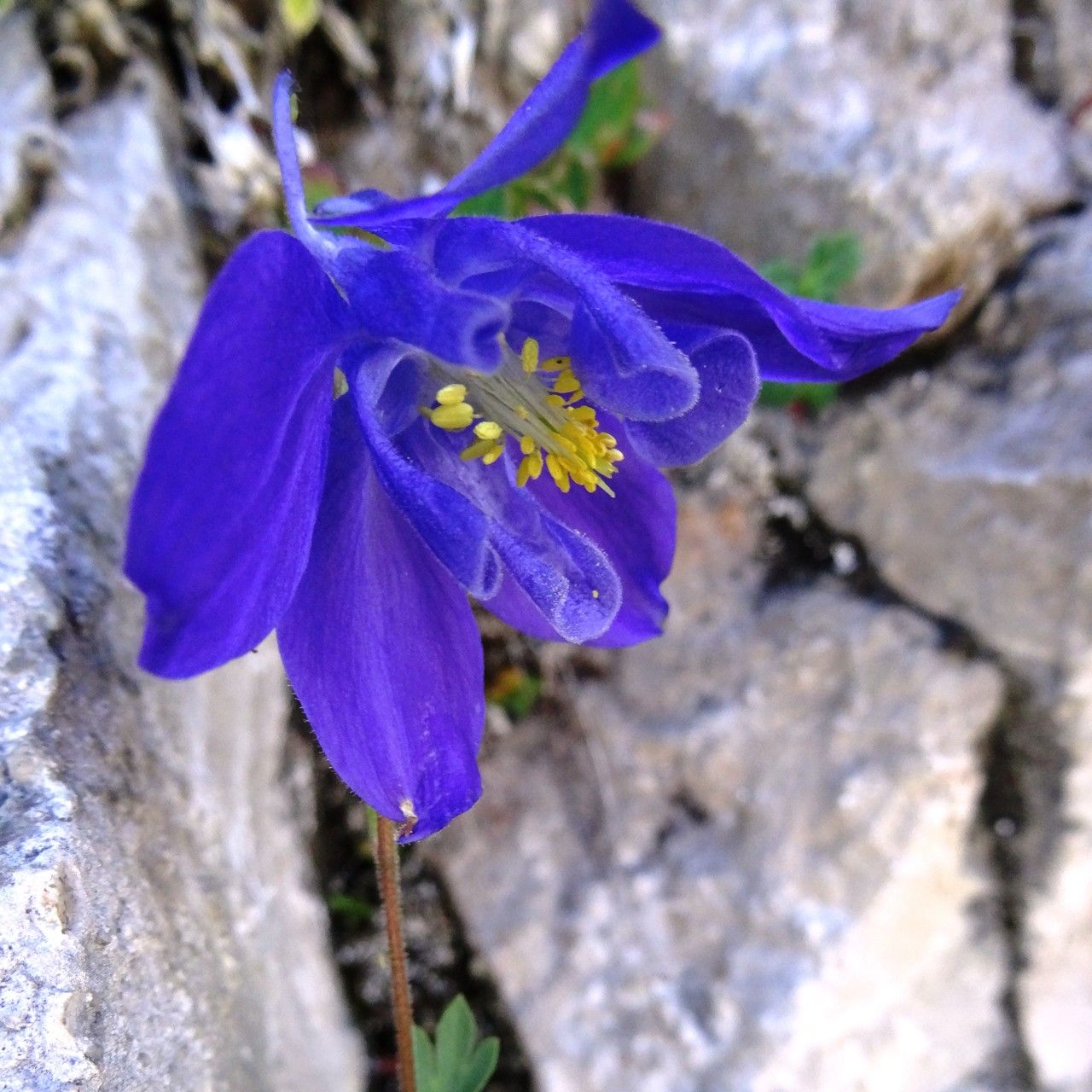
Propagating the Pyrenean Columbine (Aquilegia pyrenaica): A Gardener’s Guide
Introduction:
Aquilegia pyrenaica, commonly known as the Pyrenean Columbine, is a captivating alpine perennial prized for its delicate, bell-shaped flowers in shades of blue, purple, and white. Native to the Pyrenees mountains, it boasts a unique charm and compact habit, making it a sought-after addition to rock gardens, alpine troughs, and border plantings. Its relatively small size and adaptability contribute to its popularity among gardeners. However, propagation can present some unique challenges, requiring patience and a nuanced approach.
Seed Germination:
Seed germination is a viable method for propagating Aquilegia pyrenaica, but it’s not always straightforward. The primary challenge lies in the seed’s need for stratification – a period of cold, moist treatment mimicking winter conditions. Without this, germination rates are significantly lower.
- Challenges: Low germination rates if stratification is not performed correctly, slow germination times.
- Practical Tips: Collect seeds as soon as they mature and turn a light brown. Sow seeds outdoors in the fall directly into well-drained soil, allowing nature to handle the stratification process. Alternatively, for spring sowing, undertake artificial stratification by mixing seeds with moist vermiculite or sand and storing them in a refrigerator (around 4°C) for 6-8 weeks before sowing. Sow thinly on the surface of a well-drained seed-starting mix and keep moist but not waterlogged. Maintain a cool, bright location.
- Rewards: High genetic diversity in the resulting plants, the potential to produce a large number of seedlings, relatively inexpensive propagation method.
Cuttings:
Currently, there are no known reliable methods for propagating Aquilegia pyrenaica from cuttings. The success rate is extremely low, even with the application of rooting hormones, likely due to the plant’s physiological characteristics.
Division:
Division is a viable, albeit limited, method for propagating Aquilegia pyrenaica. This method works best when the plant is already established and has formed a sizable clump.
- Challenges: The plant is relatively small and may not produce sufficient divisions for large-scale propagation. Care must be taken to avoid damaging the delicate root system.
- Practical Tips: Divide established plants in spring or early autumn. Gently separate the clump into smaller sections, each with healthy roots and several growing points. Replant immediately into well-drained soil, providing adequate moisture until established.
- Rewards: Relatively quick establishment of new plants, preservation of desirable characteristics of the mother plant.
Tissue Culture:
While tissue culture is a potentially viable method for large-scale propagation of Aquilegia pyrenaica, its practical application is largely confined to commercial nurseries and research settings. This method requires specialized equipment, sterile conditions, and expertise.
- Challenges: High initial investment in equipment and expertise, complex procedures, risk of contamination.
- Practical Tips: (This section is less applicable to home gardeners, but for larger-scale growers): Utilize standard tissue culture techniques for herbaceous plants, ensuring sterile conditions and appropriate media. The selection of explant material is crucial for successful propagation.
- Rewards: Potential for large-scale and rapid propagation, disease-free clones, conservation of rare or threatened genotypes.
Conclusion:
Propagating Aquilegia pyrenaica presents several challenges, offering a unique reward to the perseverant gardener. While seed germination offers a feasible path to multiple plants with significant genetic diversity, division presents a more controlled, but limited, option. The intricacies of these methods demand patience and careful attention to detail. The reward, however, is the immense satisfaction of nurturing these delicate alpine beauties from seed or division, knowing you’ve overcome specific hurdles to cultivate this stunning plant. For the home gardener, embracing seed propagation combined with patient division is the most accessible and rewarding approach. Don’t be discouraged by occasional setbacks – the success of seeing these beautiful flowers thriving is a testament to your gardening dedication.